
The Boston City Council unanimously approved a resolution recognizing Thanksgiving as a “National Day of Mourning.” The ceremonial resolution, passed Nov. 18, condemns European colonization and contends the traditional narrative minimizes Native American suffering.
- Boston City Council approved resolution Nov. 18.
- 12 of 13 council members signed on.
- Recognizes event held since 1970 in Plymouth.
- Event organizers face legal dispute with Plymouth.
Council’s Vote and Stated Purpose
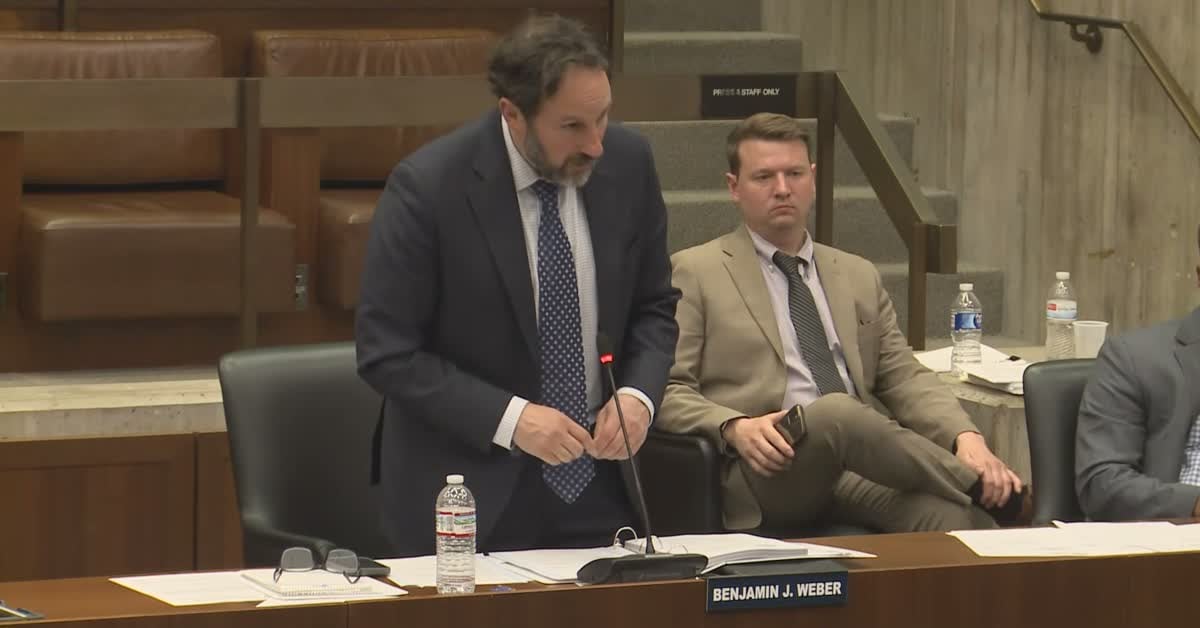
Weber said the measure acknowledged historical injustice and demonstrated solidarity with Native Americans. The resolution claims the traditional account of the 1621 harvest celebration sanitizes “the English colonists’ invasion of Wampanoag homelands and the violence and oppression resulting from colonization.”
At-Large Councilor Julia Mejia argued that the version of the holiday taught in American classrooms leaves out what she called the devastating consequences of colonization for Indigenous peoples. The resolution carries no legal weight and changes nothing about city operations.
BREAKING: The Boston City Council just passed a resolution to declare November 26th (Thanksgiving Day) as "National Day of Mourning" to address "historical injustice." pic.twitter.com/ljakVLmZWC
The National Day of Mourning Event
The resolution credits Wamsutta Frank James of the Wampanoag Tribe of Gay Head (Aquinnah) with founding it.
However, organizers increasingly have incorporated left-wing political causes into the annual event. A flyer distributed by the United American Indians of New England promoting Thursday’s gathering denounced white supremacy, capitalism’s environmental impact, and settler colonialism while calling for the abolition of Immigration and Customs Enforcement. The organization also has promoted anti-Israel sentiment on its social media accounts.
The whole Boston City Council signed on to declaring Thanksgiving a day of mourning. Not one nay. pic.twitter.com/cr9nWwvwy8
Even some Native Americans have expressed frustration with the event’s expanding political agenda. Paula Peters, a Wampanoag educator and author, told The Washington Free Beacon that the gathering’s current organizers have welcomed activists representing unrelated causes while alienating members of her own tribe.
“For many years this group has been so difficult to work with, and there has been such animosity with so many Wampanoag, I challenge the claim that they are actually ‘united,'” Peters said.
Legal Dispute and Historical Context
A judge ruled Tuesday that the town was not required to provide a stage for the event. The group answered with a statement that “settlers frequently break their agreements with Indigenous peoples.”
Historical accounts document cooperation between the Pilgrims and Native Americans during the original 1621 celebration, despite conflicts that followed in subsequent years. The Pilgrim Hall Museum said that approximately 90 Wampanoag men joined 53 surviving Mayflower passengers for three days of festivities, helping reinforce a previously negotiated alliance.
Boston City Council votes for a “National Day of Mourning” on Thanksgiving to address “historical injustices” against Indigenous people. Councilor-at-Large Julia Mejia says the Thanksgiving story taught in schools fails to acknowledge the consequences colonization had on… pic.twitter.com/GrQHExKPht
Council's Vote and Stated Purpose
The resolution carries no legal weight and changes nothing about city operations.
The National Day of Mourning Event
However, organizers have increasingly incorporated left-wing political causes into the annual event, including denouncing white supremacy, capitalism’s environmental impact, and settler colonialism in flyers distributed by the United American Indians of New England.
The organization has also promoted anti-Israel sentiment on its social media accounts. Even some Native Americans have expressed frustration with the event’s expanding political agenda. Paula Peters, a Wampanoag educator and author, told The Washington Free Beacon that the gathering’s current organizers have welcomed activists representing unrelated causes while alienating members of her own tribe.
“For many years this group has been so difficult to work with, and there has been such animosity with so many Wampanoag, I challenge the claim that they are actually ‘united,'” Peters said.
More on Native Americans
Worth a look

Kirby Smart Focuses on ‘Development’ for Georgia, Yahoo Sports Reports
Georgia coach Kirby Smart said Thursday his focus for the remainder of the season is development, a word...

Illinois Regulators Approve $74M Water Rate Hike, Cut $53M From Utility Request
The Illinois Commerce Commission on Tuesday approved a $74 million rate increase for Illinois American Water, cutting $53...

Martz Travel Releases Vermont, Montreal Tour Itinerary and Policies
Martz Travel has released the itinerary and policies for a four-day "Vermont Mountains & Montreal" tour departing from...
2018 Lincoln MKX Reserve for Sale at Stivers CDJR in Columbia, SC
A 2018 Lincoln MKX Reserve with 75,710 miles is listed for sale at Stivers Hyundai in Columbia, South...