
Boston opened a $16 million fully electric EMS station on Drydock Avenue near Pier 10 in early November 2026, the Seaport District’s first municipal facility after decades of growth. Emergency calls in the South Boston waterfront have doubled over the past 10 years, city data show, and the station is meant to help the city meet those growing needs.
The city says it will keep working with community members to find opportunities for additional civic spaces, a spokesperson told the Globe.
Seaport lacks promised civic amenities
The Seaport still lacks a public library, community center, school or police station.

Advocates point to the sprawling Seaport Square development as a prime example.
From parking lots to a copper‑clad station
The Seaport was a “wasteland of empty lots and deteriorating wharfs in the 1980s,” the Globe said. Today it is a high‑end commercial and business hub. The EMS station sits on the corner of Drydock Avenue, right off Pier 10, where a steady stream of large trucks rumbles past the cruise terminal.
Andrew Pham, an accountant for an art gallery who works across the street, initially objected to the loss of a handful of parking spots but changed his mind when he saw the finished building. “Wow, this is a beautiful‑looking building,” Pham told the Globe. “We have to remember it started with parking lots beforehand.”
The Seaport District’s transformation from what the Globe called a “wasteland of empty lots and deteriorating wharfs in the 1980s” into a high‑end commercial hub did not produce the civic infrastructure residents were promised.
For decades, planning documents referenced the need for services such as a library, community center, school or police station, yet those commitments “just vanish” when projects build out, said Fort Point Neighborhood Association board member Tom Ready, citing the Seaport Square development whose original notification form listed a Boston Public Library branch among its public benefits.
Emergency calls in the South Boston waterfront have doubled over the past 10 years, city data show, underscoring the gap between commercial growth and municipal services.

What remains unbuilt and what comes next
The city spokesperson said Boston will continue to work with community members to look for opportunities to build “needed civic spaces.” Residents are already eyeing the looming redevelopment of Gillette’s 31‑acre headquarters in Fort Point as the next chance for a fire station, a library branch or other civic uses, the Globe reported.
Keep reading
Hanaway Agrees Non-Prosecution Deal; Torch Machines Stay in Nonprofits Until May 2027
Missouri Attorney General Catherine Hanaway struck a non-prosecution agreement on Nov. 16 allowing Torch Electronics to keep its...

Mutual of Omaha, Optimizely Sued Over Malicious Code on 178 Sites via Testing Tool
A Mutual of Omaha customer sued the insurer and Optimizely in Manhattan federal court on Monday, alleging that...
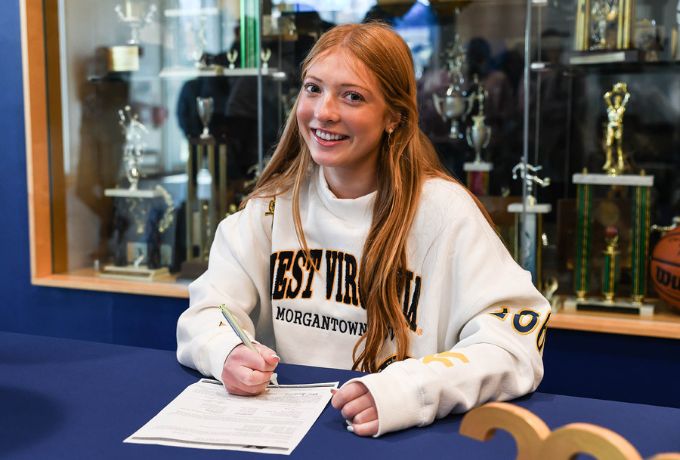
Solebury School Gymnast Eliot Buteux Signs With West Virginia University Gymnastics
Solebury School gymnast Eliot Buteux signed with West Virginia University on National Signing Day, joining four other recruits...
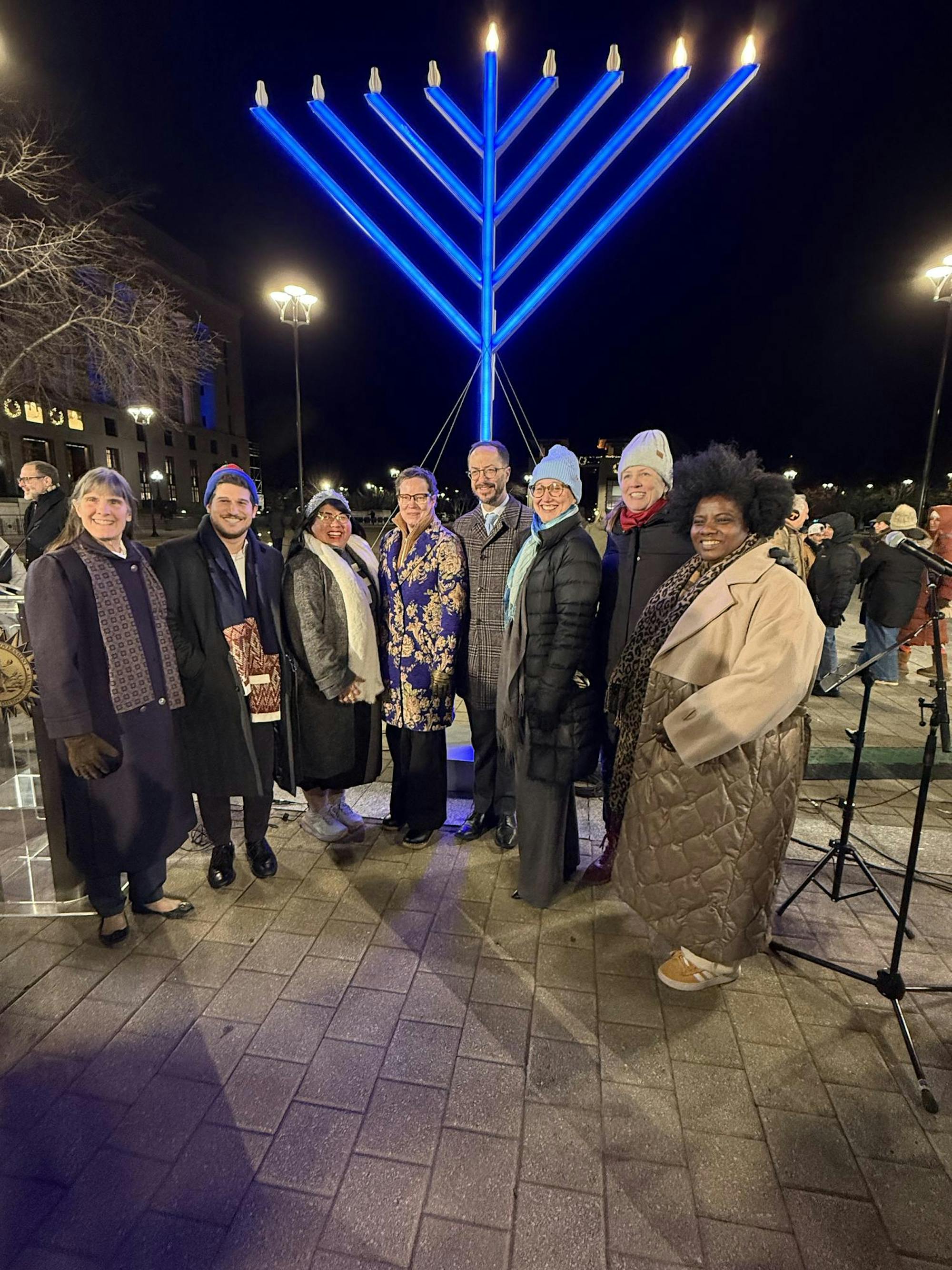
Chabad of Nashville Launches 2026 Annual Matching Campaign Dec. 8
Chabad of Nashville will launch its 2026 annual matching campaign, the 350/350 Challenge, on Dec. 8 with a...