
Mayor Michelle Wu released the 2026 Vision Zero Action Plan update on Friday, adding e-bike and e-scooter crash tracking after a year of stalled street-safety projects.
The plan, published by Boston.gov, outlines strategies across streets, vehicles and people to eliminate serious injuries and fatal crashes. Fatal crashes have dropped 25 percent and injury crashes 20 percent citywide since 2015, the city reported, but pedestrian fatalities began rising again in 2024 after declining through 2023.
“Over the last decade, Boston has made meaningful progress in redesigning our streets to prevent serious crashes,” Wu said. “Our work continues as we build the systems to do more, faster and more effectively, so that every resident can get around our city safely and comfortably.”
Safety gains tied to street redesigns
Infrastructure investments drove the reductions. On 52 streets with lane or roadway narrowing, pedestrian injury crashes fell 49 percent compared with a 33 percent drop on control streets. Across 11 neighborhood traffic-calming projects, injury crashes declined 45 percent versus 18 percent on similar streets without changes.
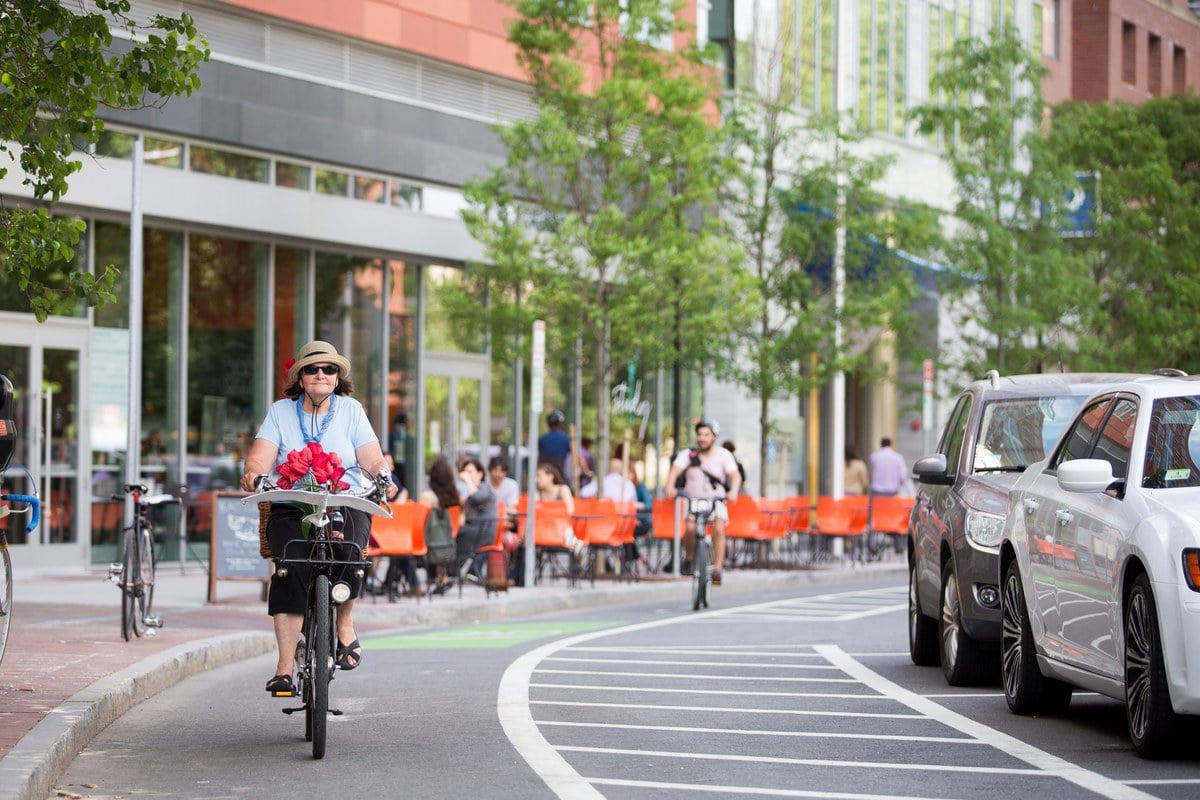
“Every street project is a safety project,” said Chris Osgood, interim chief of streets. “This update provides perspective on where we have made progress and identifies critical strategies that will help our community reach our Vision Zero goal.”
E-bike and e-scooter data added amid pediatric injury surge
The city will partner with Boston EMS to track crashes involving e-bikes and e-scooters for the first time. This action comes in response to a 173 percent jump in pediatric e-bike and e-scooter incidents in Greater Boston from summer 2025 to summer 2026 and a 200 percent increase since 2023, based on Mass General Brigham data.
A UMass Memorial pediatric orthopedic surgeon estimated emergency-room visits for children hurt on e-bikes increased nearly tenfold over the prior year, and a Baystate Health physician said e-bike or e-scooter accidents accounted for about 90 percent of trauma pages in Springfield during one recent week.
Plan prioritizes family zones and nighttime visibility
The update directs safety investments to streets children use to reach schools, parks, libraries and community centers. It also targets nighttime crashes: while fewer crashes occur after dark, they are about four times as likely to be fatal. The city will upgrade street lighting and expand design tools to improve visibility and slow speeds at high-risk intersections.
The city of Boston plans to begin tracking crashes involving e-bikes and e-scooters, adding to the crash data that the city and EMS collect and report as part of its Vision Zero dashboard. https://t.co/t5cjWJfI2z
Residents 65 and older make up 13 percent of Boston’s population but account for 32 percent of pedestrian fatal crashes. Between 2021 and 2025, Boston EMS handled an average of one crash weekly involving a child on foot and one every two weeks involving a child on a bicycle.
Council reviews bike network and truck safety
Boston plans to expand its bike-lane network by closing gaps in existing routes and installing more durable separation materials, city officials said.
The same hearing also covered truck safety and the status of the citywide plan for a connected network of safe bike routes, the council reported.
Recent child micromobility crashes cited
Recent incidents include a 14-year-old e-bike rider in Medway airlifted after a car strike and a 12-year-old girl in Haverhill killed when her motorized scooter collided with a bus, WBUR reported.
Department reboot follows planner’s death
Wu appointed Osgood to lead the Streets Cabinet after city transportation planner Louisa Gag was killed while cycling in summer 2026. The department had paused street-safety projects for more than a year amid what Hoodline described as an effective communications blackout and a poorly managed internal review.
In the aftermath of Gag’s death, the city installed protected bike lanes on the Mission Hill block where she was struck and planned similar changes on Tremont Street from Terrace Street to Parker Street, with construction scheduled to begin October 13.
“Vision Zero is a public health intervention because access to safe and diverse transportation options is a key social driver of health,” said Dr. Bisola Ojikutu, commissioner of public health for the City of Boston. “Along with reducing injuries and death, safe streets impact access to medical care, food, education and employment; support residents to be physically active; and create opportunities for people to be more connected to their neighbors.”
Crash data is updated monthly on Boston.gov through October 2026.
Worth a look

UMass Football Closes Season at Bowling Green on ESPN+
AMHERST, Mass. -- Massachusetts football closes the regular season Saturday at Bowling Green, a 3:30 p.m. kickoff at...

The Advocate Names 26 Essential Baton Rouge Restaurants for 2026
The Advocate released its annual list of the 26 best restaurants in Baton Rouge on Monday, selecting establishments...

Over 400,000 Gallons of Fuel Oil Leaked at H-Power; Log Discrepancies Hit 78% During Months-Long Spill
An underground fuel line at H-Power leaked over 400,000 gallons while daily discrepancies between fuel received and burned...
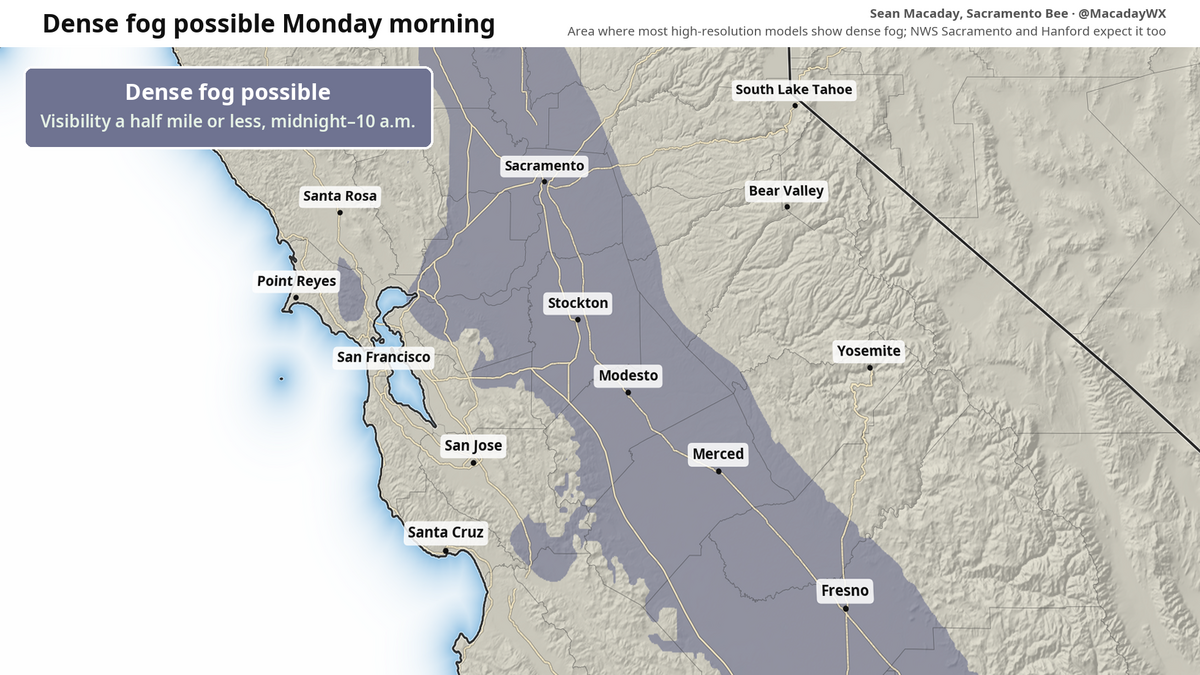
Tule Fog Returns, Weaker Atmospheric River Expected in Sacramento Valley
Tule fog has returned to the Sacramento Valley, prompting a dense fog advisory through 10 a.m. Monday, while...