
A Boston-based writer is sharing his personal journey of attending both synagogue and church, detailing how a moment of national tragedy led him to discover a new faith community.
In a column for The Forward, he recounts the experience that began after the 2018 Tree of Life synagogue shooting. The author writes that violence at a house of worship is not an abstraction to him. Black churches have been bombed and attacked, he says, so when 11 Jews were murdered in Pittsburgh, he understood what it meant for a sacred space to become a place of terror. His response was to seek out a Shabbat service. He grew up in Cassopolis, Michigan, a rural town of about 1,700, where there were no synagogines within 45 minutes of his house.
“I did the only thing I could think to do: I looked for a Shabbat service I could attend,” he wrote. “I did not know of a nearby synagogue to go to, even though I’ve since discovered they are all around me in the Boston area.”
He describes his first visit to a Shabbat service following the shooting, unsure if he would be welcomed. “But they did. I was surprised to agree with everything I heard sung, prayed or preached. I thought Jews, like anyone else who died without Christ, were going to hell, or at least that is what I was taught. But I felt the presence of God there.” He went home and posted on his Facebook page, “I am a Jew,” referencing John F. Kennedy’s “Ich bin ein Berliner.”
That explains why he went once, but not why he continued to attend something like 52 Shabbat services in a year. “The truth was much simpler: I liked it,” he writes. He enjoyed the sermons, the music, and the community.
He also learned a new hermeneutic, a Jewish one: “the Living Torah, disagreement for the sake of heaven, presenting an opposing interpretation fairly, preserving minority opinions, and studying with a partner who challenges your reading.”
His involvement grew, and he eventually became a member of Temple Beth Elohim in Wellesley. At the same time, he continued to go to church, joking that he got “the Old Testament on Friday night and the New Testament on Sunday.” He participated in synagogue committees and events, and later gave talks at other temples and served on advisory groups for the Boston Jewish Film Festival and the Holocaust Museum Boston. USA NOW News Desk, which also reported on the piece, said that the column carries broad relevance across the United States.
The author explains that his dual paths in faith led him to examine Christian hostility toward Jews and the complex relationship between Black and Jewish communities. “As a Black American familiar with racism who had traveled in the West Bank, I felt compelled to explore the traumas of Jews and Palestinians from a civil rights perspective,” he says. “I am troubled by fractures in the relationship between Blacks and Jews, though I prefer to think of it as a quiet estrangement, an unspoken tension, and a mutual uneasiness.”
His goal, he writes, is to educate his fellow Christians and Black non-Jews about antisemitism. “I support the Jewish community because I simply feel it’s the right thing to do,” he argues. “There is a joke that goes: If you want to hear God laugh, tell God your plan. This was not my plan. It was God’s.”
Worth a look

Anthony Richardson Starts for Colts as Giants Face Indianapolis
The Giants opened as 6.5-point road favorites before the line settled at 5.5 for Sunday’s Week 12 meeting...

MSY to Add 380 Parking Spaces in $5.6M Expansion Project
Louis Armstrong New Orleans International Airport is adding 380 parking spaces, a fraction of the more than 10,000...

Iowa Gun Deer Seasons Begin Dec 5 With New Zoning and Safety Rules
Iowa’s regular gun deer seasons begin December 5, bringing new zoning regulations and safety requirements for more than...
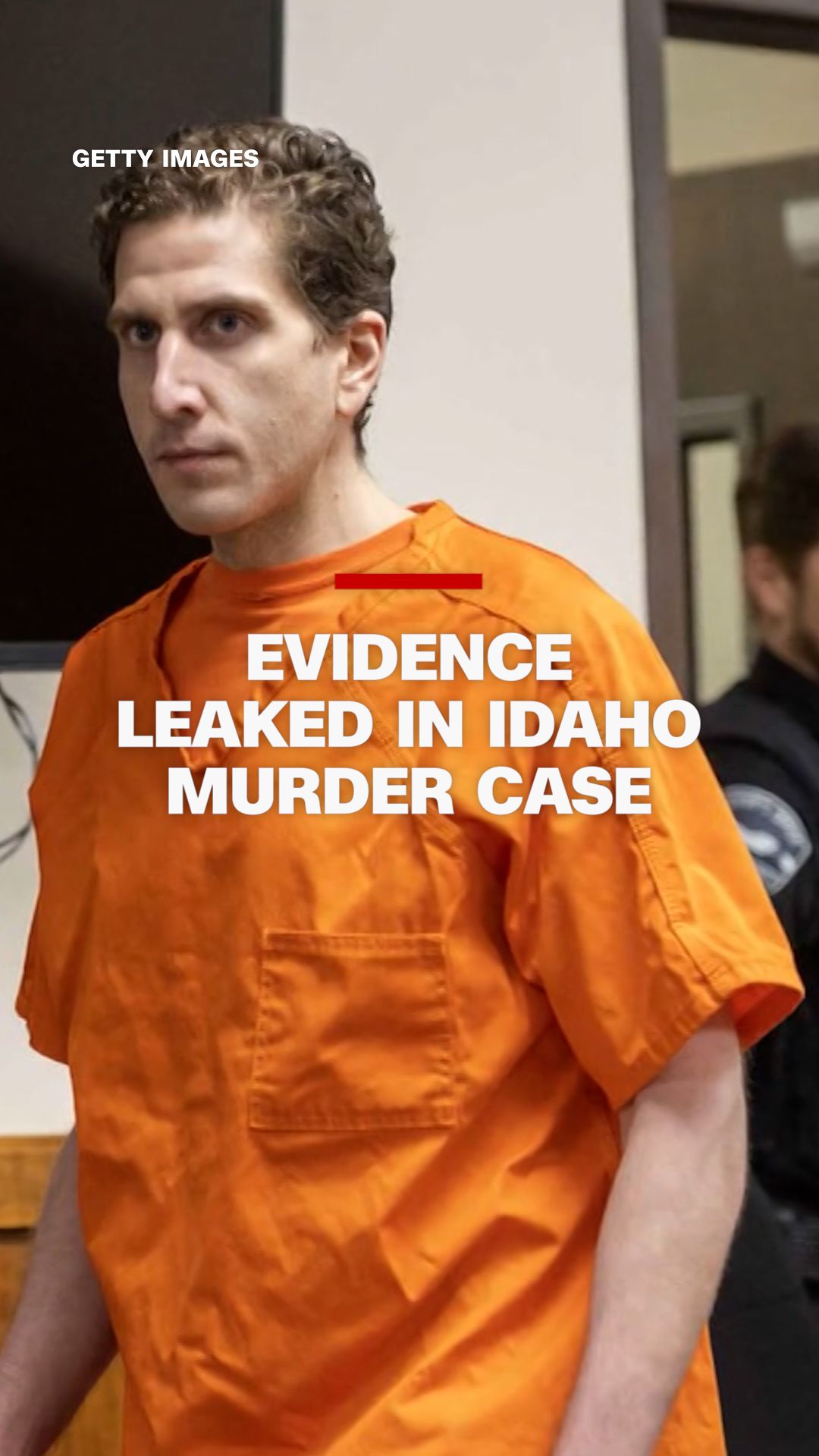
Idaho Murder Rate Surges as Recent Brutal Cases Spark Outrage
Disturbing footage and graphic pictures from recent Idaho murder cases have circulated widely, intensifying public outrage as the...