
The Santason parade drew a record 1.5 million spectators for its final procession in 1941.
The Santason parade opened each year with a hydroplane landing on the Charles River, delivering the namesake son of Santa Claus to a crowd that would eventually reach hundreds of thousands.
Boston held its own Thanksgiving Day parade from 1929 through 1941, sponsored by the Jordan Marsh department store and named for Santason, the young son of Santa Claus, The Boston Globe reported. The event featured giant helium balloons, drum majors, trick bicycle acts and jugglers along a four-mile route.
A 1937 Globe account called it “an amazing spectacle that combined the most spectacular and child-pleasing elements of the circus and the pages of folk-lore.” Attendance grew from hundreds of thousands in the early years to more than a million in 1939, according to Globe archive captions, before peaking at a record 1.5 million for the final parade on Nov. 20, 1941.

The parade’s signature stunt was Santason’s arrival from the North Pole in a hydroplane that touched down on the Charles River Basin. In 1937, a performer posing as Santason was photographed with the amphibian aircraft ahead of the Thanksgiving morning landing, a scene the Globe noted was retouched by newspaper workers to enhance the storytelling for children.
Balloons included a Mickey Mouse figure in 1938, a giant dragon and “Merry Xmas” letter balloons in 1939, and a 75-foot helium “Little Man-Big Man” acrobat balloon that passed the Massachusetts State House in 1941. Ferdinand the Bull also appeared in 1938, the Globe archives noted, drawing on the same archive.
The 1941 parade, held weeks before the attack on Pearl Harbor, marked the end of the annual event. The Globe archive preserves images of the final procession, including clowns leading balloons along Beacon Street and Santa Claus and Santason distributing presents to children at the Union Boat Club landing.
The Globe confirmed the parade ran each Thanksgiving morning from 1929 through 1941 and listed the hydroplane landing, giant balloons, drum majors, bicycle tricks and juggling among its attractions.
In 1937, The Boston Globe reported that Santason’s journey from the North Pole was enhanced by newspaper workers who retouched a photograph of the performer with his amphibian plane. The image was captioned “Santason leaving Nome for Boston in his new amphibian plane” to help with the storytelling for the children, according to the Globe archive.
The basin’s broad waters and central location made it ideal for the stunt, with the aircraft touching down on Thanksgiving morning to a crowd of hundreds of thousands. In 1937, the Globe noted the hydroplane landed on the Charles River Basin, where the Union Boat Club was located, underscoring the river’s role as both a natural amphitheater and a logistical hub for the event.
The Globe in 1937 described the parade as “an amazing spectacle that combined the most spectacular and child-pleasing elements of the circus and the pages of folk-lore,” a quote that captures the deliberate blend of fantasy and entertainment the organizers aimed to create for the annual event.
Columbus Offers Free/discounted Homeschool Trips Across Science, Civics, and Nature Venues
Columbus offers homeschool families free and discounted field trips across science, civics and nature venues, many within walking...
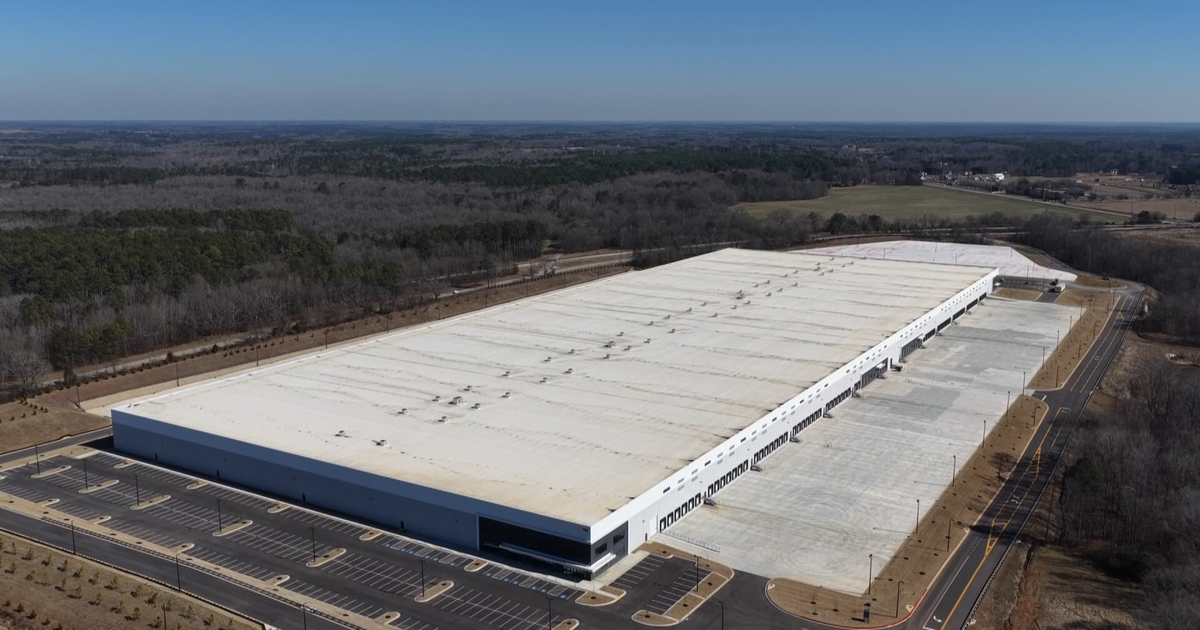
GAO Audit: ICE Paid Over 4x Assessed Value for Georgia Warehouses
Immigration and Customs Enforcement paid $128.6 million for a Georgia warehouse assessed at $58.3 million and $68.2 million...

North Dakota Faces FIU Friday in FIU Thanksgiving Tournament Opener
North Dakota faces FIU at 11 a.m. ET Friday in Miami to open the FIU Thanksgiving Tournament at...

Hunter Trapped Under ATV for 14 Hours Rescued in Time for Thanksgiving
A 69-year-old hunter spent nearly 14 hours pinned beneath his ATV in the Custer National Forest before three...