
Long before Interstate 95 severed Jacksonville’s Northside, Brentwood emerged as one of the city’s most aggressively marketed streetcar suburbs, a pattern of development that still shapes its streets and landmarks today.
The neighborhood began in January 1913 when the Brentwood Realty Investment Company launched a campaign to sell lots along Pearl Street between West 25th and West 35th streets, then the city’s northern outskirts, The Jaxson reported. An advertisement in The Florida Metropolis on January 8, 1913, proclaimed Brentwood “the most beautiful subdivision ever offered in Jacksonville,” with lots starting at $500, 10 percent down and the balance in 48 monthly installments.
To accelerate sales, the developer staged a free exhibition flight by aviator Charles K. Hamilton on January 26, 1913, distributing $3,000 in lot-purchase certificates to spectators. By April 1914, ads showed photographs of newly built bungalows and larger residences, showing the shift from speculation to an established neighborhood.
Transit shaped commerce
The Jacksonville Traction Company’s Woodbine Street line — originally West 28th Street — linked Brentwood to downtown in roughly 20 minutes. By 1928 the line ran 84 daily round trips, with cars every 9.5 minutes at rush hour, The Jaxson reported.
Commercial buildings along Woodbine were set back to allow future widening, a goal reflected in Jacksonville’s 1930 comprehensive plan. Interstate 95 later assumed the corridor’s transportation role, but the surviving storefronts document the streetcar-era layout.
Fairgrounds and municipal golf course anchored neighborhood
In 1918 the Brentwood Realty Company donated land near present-day Golfair Boulevard and Brentwood Avenue for the Florida State Fair and Exposition, which opened February 26, 1918. On November 21, 1927, streetcars moved 11,000 passengers to the fairgrounds in two hours. The adjacent Jacksonville Municipal Golf Course, designed by Donald Ross, opened in 1923. Together they gave the neighborhood a regional draw beyond housing, and West 26th Street was renamed Golfair Boulevard for the two attractions.
Pearl Street becomes a main street
By 1925 a business district had formed near Pearl and Woodbine streets. In 1930 the city zoned Pearl Street as a Business A-In Residence district.
Bungalows dominate housing stock; zoning split north and south
Bungalows dominate Brentwood’s housing stock, their low-pitched roofs, wide eaves, exposed rafters and deep porches suited to middle-class buyers. The 1925 zoning ordinance created distinct patterns: southern Brentwood was zoned Residence C, allowing duplexes and apartments; northern Brentwood was Residence B, largely limited to one- and two-family homes. The mix remains visible today.
Institutional anchors
Andrew Jackson Senior High School opened October 2, 1927, at 3816 North Main Street. Designed by Mark & Sheftall with consulting architect William B. Ittner in Italian Renaissance Revival style, it was built as a counterpart to Robert E. Lee Senior High School in Riverside to replace the aging Duval High School downtown.
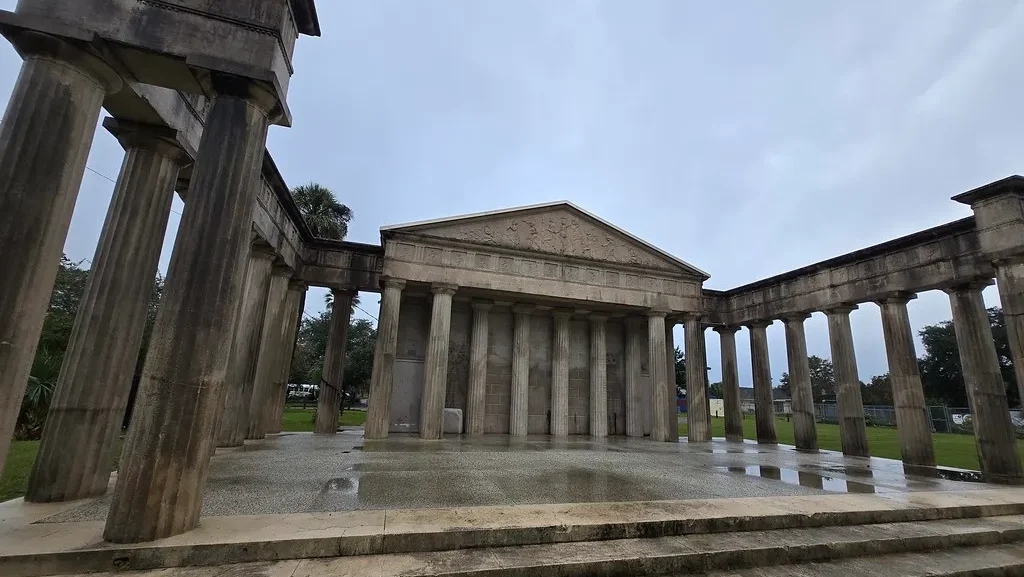
Catherine Hester McNair Park, originally Brentwood Park, was established in 1929 on 16.7 acres between West 21st and West 28th streets. Its centerpiece, the Brentwood Park Bandstand, was designed by Roy A. Benjamin in 1932 with a monumental, temple-like Classical Greek appearance.
During the Great Depression it hosted events such as an August 1932 Stephen Foster pageant with 60 costumed performers and a 30-piece band, drawing large crowds documented in September 1932 newspaper photographs. The structure later served as a community center for nonprofits including Bridge the Gap and the Clara White Mission.
The Jacksonville Traction Company, branded on March 31, 1911, expanded its system to 59 miles of track by 1930, a network that carried 13,828,904 passengers in 1912 and included the Woodbine line linking Brentwood to downtown with 84 daily round trips by 1928. In 1932 the company was acquired by the Motor Transit Company for $335,000, and the new owner began replacing streetcars with buses in 1933, leading to the final regular streetcar service ceasing permanently on December 12, 1936.
The former Brentwood Theatre on Pearl Street and the bandstand remain among the neighborhood’s most recognizable landmarks, physical reminders of a suburb built around rails that vanished long before the interstate arrived.
Keep reading
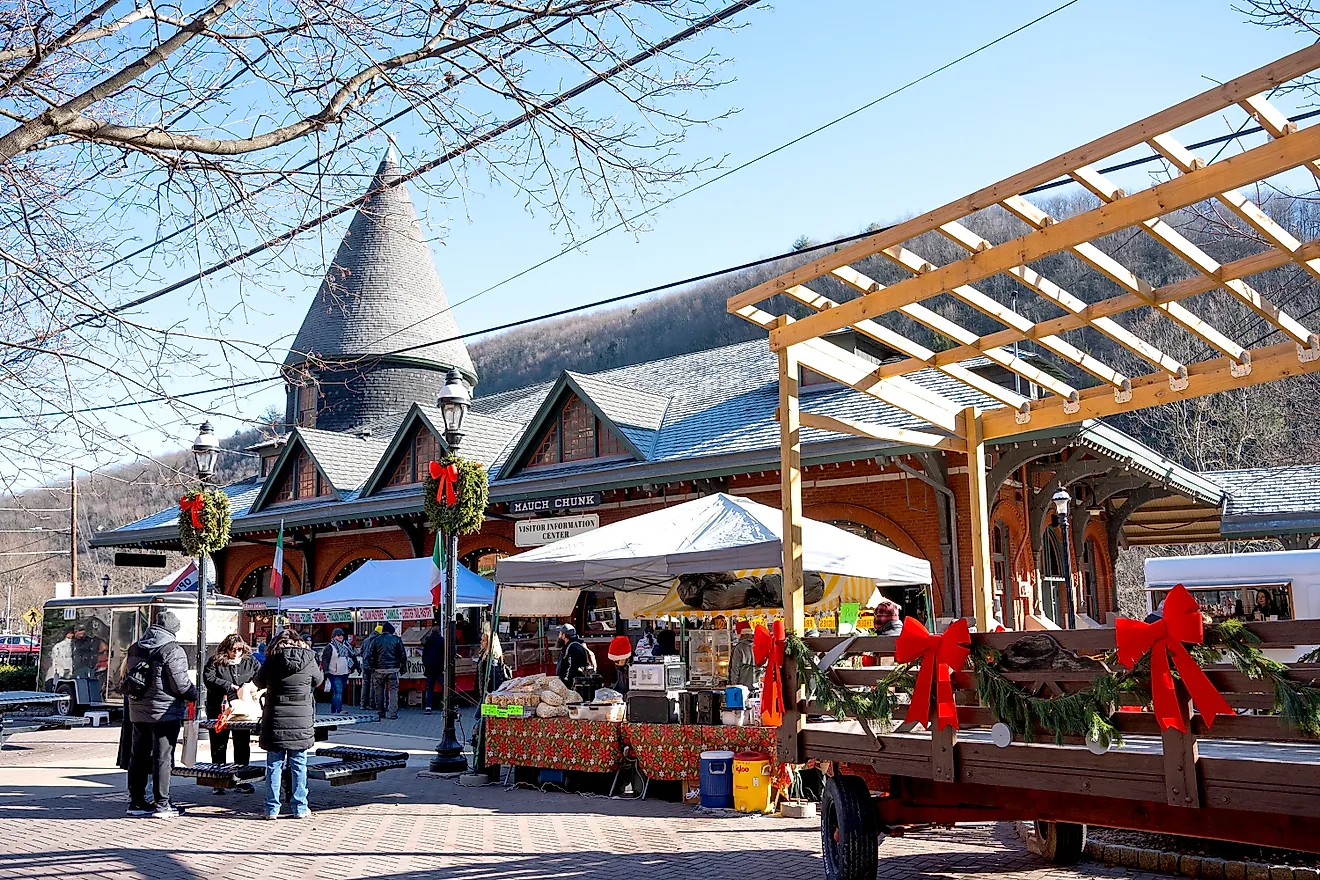
World Atlas Names Nine Poconos Towns That Lean on Industrial Heritage
Nine Pocono Mountain towns share a pattern: each built its identity on a specific industry — coal, rail,...

Massachusetts Program Provides Lawyers to 623 Residents Facing Deportation in First Year, 800 Remain on Waitlist
Massachusetts' state-funded Access to Counsel Initiative has provided lawyers to 623 residents facing deportation in its first year,...
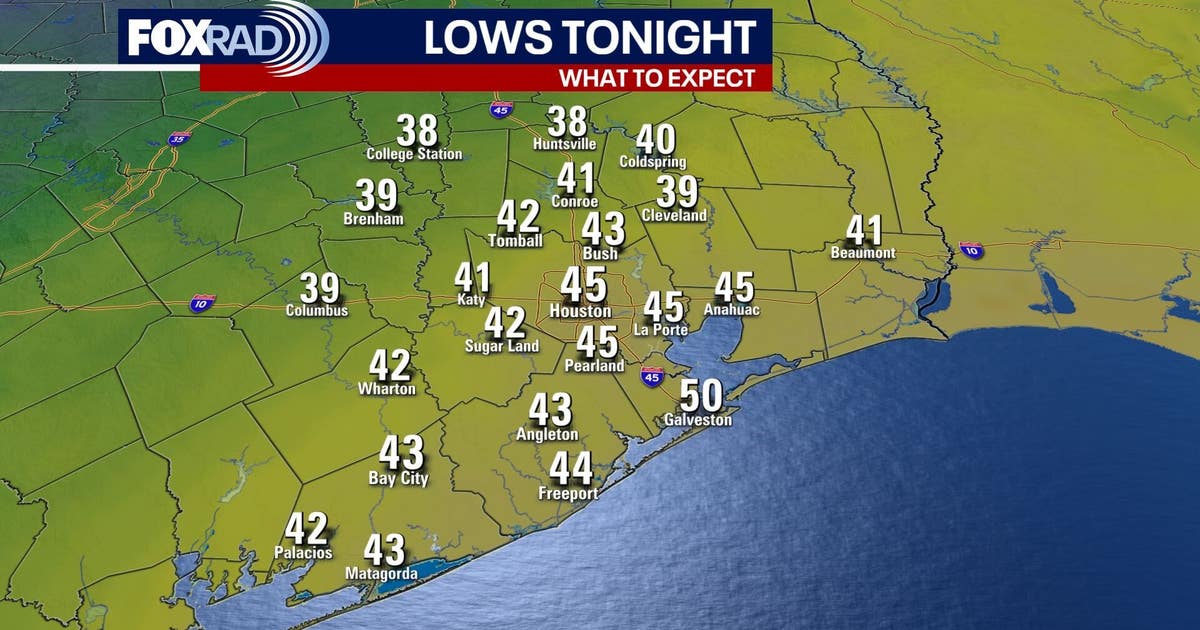
Cold Front Brings Wind Advisory, 60s to Houston; Severe Storms Possible Thursday
A cold front swept through the Houston area Sunday morning, dropping temperatures into the mid-60s and triggering a...

Syracuse (5-2) Visits Oklahoma (5-2) for First Trip to Norman in ACC/SEC Challenge
Syracuse (5-2) visits Oklahoma (5-2) at Lloyd Noble Center on Tuesday night in the ACC/SEC Challenge, the Orange’s...