
Brien McMahon Boys Soccer Survives First Round Test
The intensity of the CIAC Class LL tournament arrived in full force Friday night as No. 15 Brien McMahon secured a narrow 2-1 victory over No. 18 Fairfield Warde. In a high-stakes matchup that tested both squads’ resolve, Matthew Chen emerged as the focal point of the offensive effort. Chen netted two goals to push his team past the opening round, one coming from a penalty kick and the other facilitated by an assist from Asher Aritnaiwe.
The win marks a significant turning point for the McMahon program as it navigates the competitive landscape of Connecticut high school soccer. While the scoreboard reflects a tight contest, the victory grants the team a clear path forward in a bracket defined by parity and pressure.
A Shift in Momentum for Regional Contenders
As the tournament progresses, the margin for error shrinks significantly. Brien McMahon now faces the daunting task of traveling to take on No. 2 Xavier. That second-round match is scheduled for Monday, Nov. 9, at 2 p.m. at Xavier High School. The shift from the home-field environment to the road against a high-seeded opponent represents the classic challenge of the state tournament format, where seeding often serves as a baseline rather than a guarantee of success.
The stakes extend beyond the boys’ bracket. In Class M girls soccer action, No. 17 Lakeview successfully navigated their own first-round hurdle by defeating No. 16 Nonnewaug. Julia Fletcher and Ava Pond provided the scoring punch required to secure the win, setting up a challenging second-round encounter against No. 1 East Hampton. That matchup is slated for Tuesday, Nov. 10, with a kickoff time currently set for either 2 or 4 p.m.
The Economic and Community Stakes of State Athletics
For many local communities across Connecticut, these tournaments represent more than just athletic competition; they serve as a primary engine for community engagement and local school spirit. The infrastructure behind these events—managed under the guidelines provided by the Connecticut Interscholastic Athletic Conference—requires precise coordination between school districts, officiating crews, and local transportation services. When teams like Brien McMahon or Lakeview advance, the logistical ripple effect impacts everything from facility maintenance budgets to the allocation of school resources during the academic week.
Critics of the current tournament structure often point to the travel requirements placed on student-athletes during school hours, questioning whether the academic trade-offs align with the benefits of interscholastic competition. However, proponents argue that the experience of high-pressure tournament environments provides intangible lessons in discipline and time management that are difficult to replicate in a classroom setting. The balance between academic rigor and extracurricular commitment remains a central point of discussion for local boards of education as they review the annual sports calendar.
With the opening round now in the rearview mirror, the focus shifts entirely to the tactical adjustments required to face top-tier seeds. Whether the underdog runs will continue or the higher-ranked programs will reassert their dominance remains the primary question for fans and analysts alike as the state tournament deepens.
Related reading

DA Perrilloux commends child’s courage in sexual battery sentencing
John Wesley Foster Sentenced to 25 Years and Chemical Castration John Wesley Foster, a 61-year-old resident of Maurepas,...

Top Museums and Cultural Attractions in Kansas City
Wyndham Garden Kansas City Airport Operations and Regional Access The Wyndham Garden Kansas City Airport continues to function...
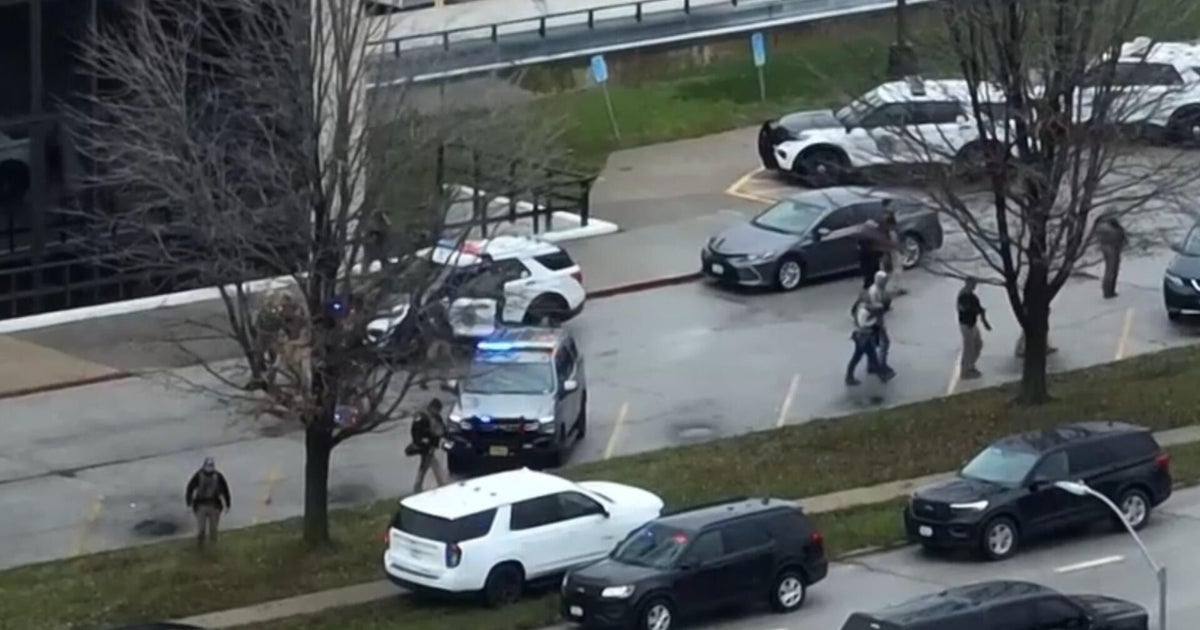
Iowa Postal Worker Charged With Attempted Murder After Shooting Colleagues
Jennifer Christine Pledger Charged After Shooting at Des Moines Postal Facility A regional postal sorting center in Des...

Illinois Defeats Nebraska 24-13 to Become Bowl Eligible
Nebraska’s football season reached a new low on Friday night as the Cornhuskers dropped their fourth game, falling...