Three simple Italian recipes can bring the flavors of a Mediterranean tour into a home kitchen, according to Little Rock Public Radio.
The recipes focus on the culinary traditions of the Ligurian region and Northern Italy, emphasizing local ingredients and minimal preparation. This approach highlights a specific style of Italian cooking where the quality of the produce dictates the complexity of the dish. Instead of heavy sauces, the emphasis remains on the natural essence of the ingredients.
Kathy Gunst, who traveled to Italy to teach a Food and Memoir Writing class with her partner, Domenica Marchetti, shared these methods after experiencing the local food culture in towns like Alassio and near Lake Garda. She said that the food encountered was based on centuries of tradition and a deep respect for what is available from the sea and the local land.
Roasted peppers with herbs and goat cheese
One standout dish from a Sunday lunch at Osteria i Matetti in Alassio involves roasted red or yellow peppers paired with salty and creamy elements. The dish relies on the contrast between the sweet, silky texture of the pepper and the sharp brine of an anchovy.
To prepare the peppers, they must be cooked on a gas flame, grill, or under a broiler until the skin is blackened on all sides. This process takes approximately six to eight minutes. Once blackened, the peppers should be placed in a sealed brown paper bag for five minutes to steam, which allows the skin to be peeled off easily before slicing them into wedges.

The assembly requires a few specific components to balance the flavor profile:
- Two large red or yellow peppers, roasted and peeled
- One anchovy filet draped inside each wedge
- A drizzle of olive oil and anchovy oil
- Freshly chopped herbs such as oregano, basil, thyme, or rosemary
- A side of soft goat cheese at room temperature
For those who do not consume anchovies, the recipe allows for their omission by stuffing the peppers with additional goat cheese instead.
Tagliatelle with earthy mushrooms
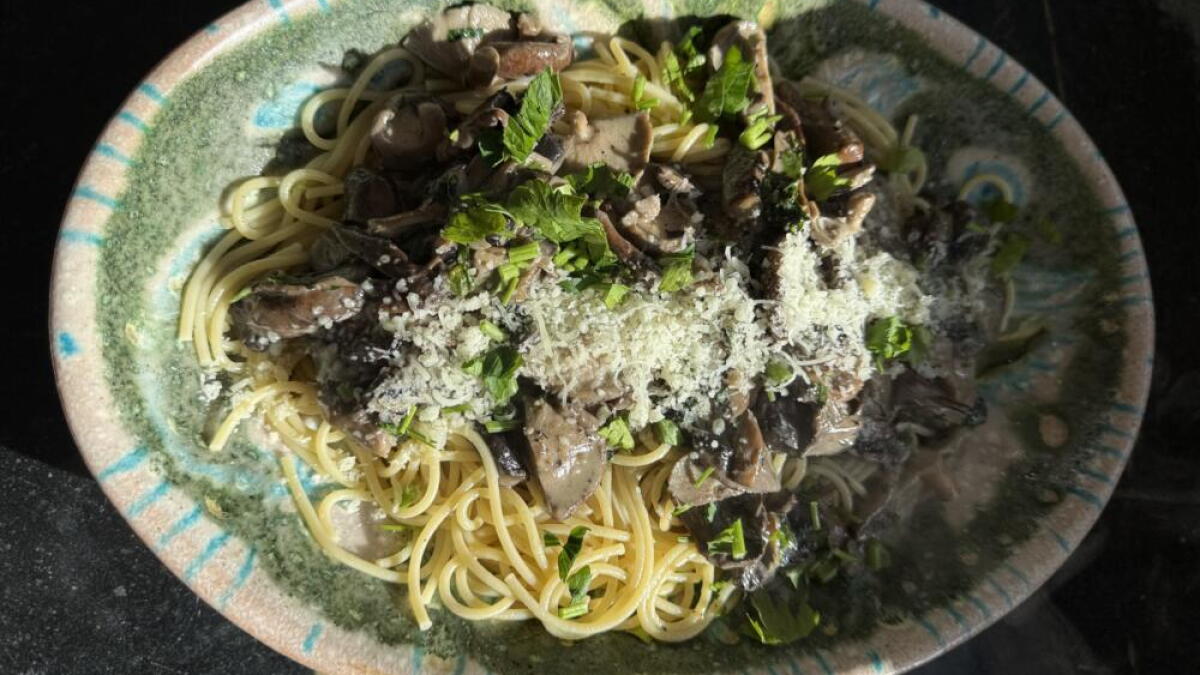
In Northern Italy, specifically near the shores of Lake Garda, the cuisine shifts toward the earthy flavors of the forest. A traditional dish encountered there consists of homemade tagliatelle paired with foraged funghi porcini mushrooms.
While authentic foraged mushrooms provide a specific profile, the recipe suggests using a combination of portobello and shiitake mushrooms to replicate the experience. To add an extra layer of depth, dried porcini mushrooms can be soaked in hot water for 15 minutes and incorporated into the pan.
The preparation involves sautéing the mushrooms in garlic and local olive oil. A small amount of the water used to soak the dried porcini can be added to the skillet along with a bit of heavy cream to create a light, savory sauce. The pasta, which can be tagliatelle, fettuccine, or pappardelle, is finished with fresh parsley and grated Parmesan cheese.
Roasted fish on parchment
The final recipe focuses on a method of roasting whole fish that utilizes high oven heat to crisp the surrounding ingredients. This technique ensures that the mild flavor of the fish is enhanced by the salty, umami-rich components surrounding it.
The dish is prepared by placing a gutted and scaled whole fish—such as trout, snapper, or flounder—on a sheet of parchment paper. It is surrounded by paper-thin slices of potatoes, halved cherry tomatoes, capers, pitted black olives, and anchovies. A few lemon slices are tucked into the fish cavity to provide acidity during the roasting process.
The recipes follow these steps:
- Preheat the oven to 450 degrees.
- Roast the fish and vegetables on the middle shelf for 25 minutes.
- Switch to the broiler for 5 to 6 minutes to ensure the potato edges become tender and crispy.
- Verify the fish has reached an internal temperature of 145 degrees.
Because the capers, anchovies, and olives provide significant salt, additional seasoning is primarily limited to black pepper and lemon. This method allows the juices from the fish and vegetables to meld on the parchment paper, creating a concentrated flavor profile without the need for complex sauces.
Related reading

Sedgwick County DA says driver won’t face charges in soccer field crash
A 34-year-old Garden City woman will not face criminal charges for the October truck crash that killed two...

Georgia Tech Tight End Corbo Aims for NFL Success After Transfer
“He does everything with a great approach. He’s a very selfless guy,” said tight ends coach Nathan Brock....

Des Moines Weekend Events Include Markets, Art Studios and More
Des Moines residents have several local ways to shop and celebrate this weekend, ranging from vintage holiday markets...

Idaho School Enrollment Plummets by 8,983 Students This Fall
Idaho public school enrollment fell by 8,983 students this fall, marking a 2.9% decrease over the summer. According...