Eight people died, including two children and three construction workers, when a three-story mixed residential and commercial building collapsed in the Flatbush section of Brooklyn on November 11.
Eighteen others, including four firefighters, sustained injuries in the disaster, which the World Socialist Web Site reported exposed the intense pressures faced by working-class residents in New York City’s housing market.
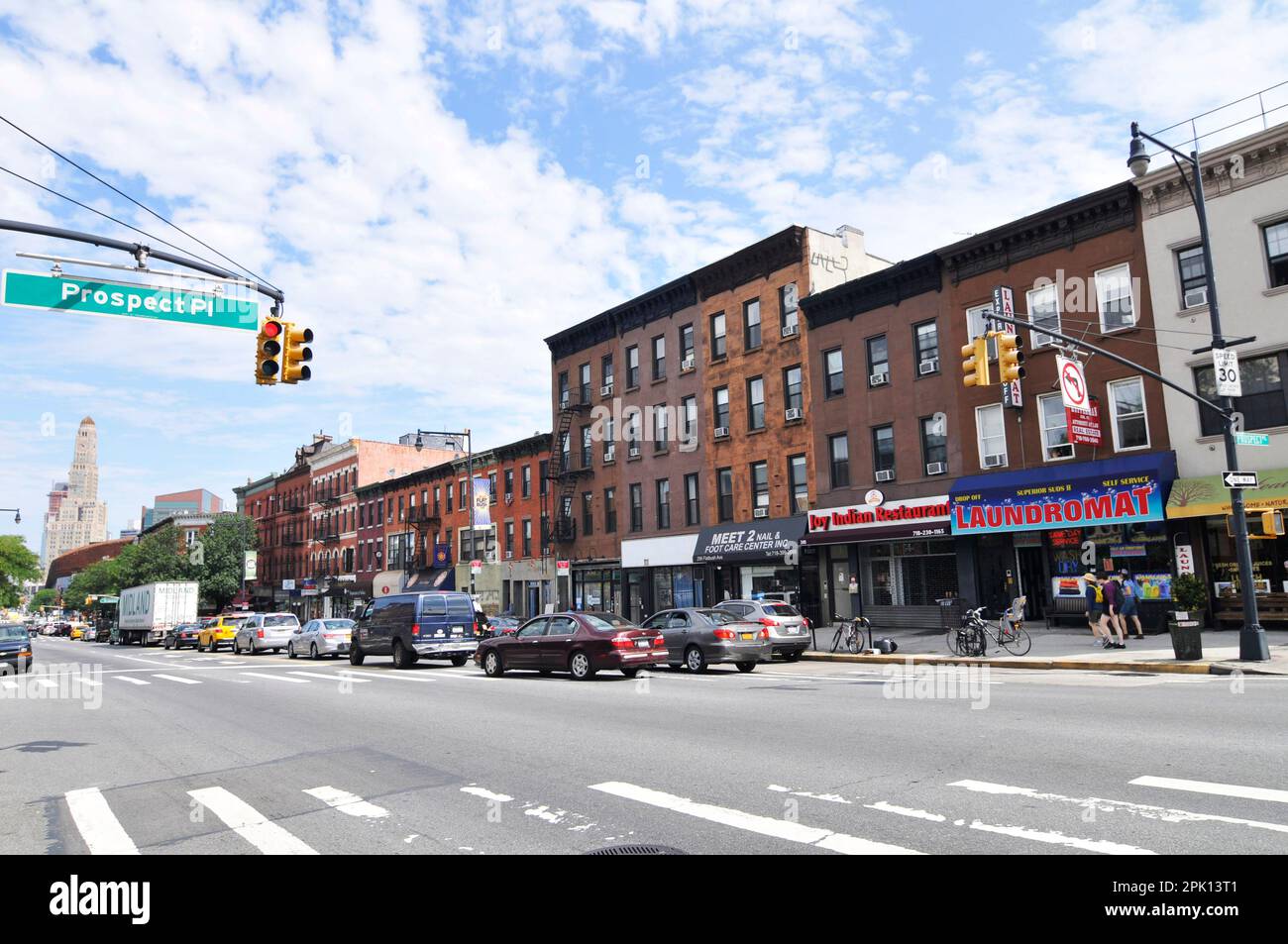
Most of the individuals who lost their lives were immigrants from Latin America and the Caribbean. First responders rushed to the scene at 1321 Flatbush Avenue after the adjacent excavation site at 2625 Bedford Avenue suffered a catastrophic failure due to improper shoring.
Multiple red flags preceded the disaster. City agencies had previously issued regulatory violations, stop-work orders, and fines, but developers and construction contractors bypassed them without effective municipal enforcement.
The tragedy highlights a bifurcated housing market driven by an acute shortage of affordable housing. Landlords maximize rents on vulnerable tenants while maintaining minimal upkeep, and luxury developments prioritize high-end profit margins over safety.
Excavation Permits and Ignored Stop-Work Orders
The project at 2625 Bedford Avenue moved forward despite persistent regulatory warnings. In March 2026, the New York City Department of Buildings issued a stop-work order during the demolition phase because contractors failed to install mandatory overhead protections for neighboring properties.

Developers ignored the stop-work order and completed the demolition anyway. They received a $10,000 fine. In May 2026, inspectors cited the site again for deviating from approved plans and continuing to neglect adequate protections for adjacent structures.
The developers initially secured earthwork and support-of-excavation permits for a modest three-story building, which face lower administrative and structural scrutiny. As recently as November 9, 2026, they filed zoning amendments to expand the project into a nine-story luxury tower. This maneuver allowed crews to dig a massive 14-foot trench while bypassing initial heavy safety reviews required for high-rise foundations.
Against a $4 million land acquisition and the multi-million-dollar projected payout of a luxury complex, the $10,000 penalty amounted to little more than a trivial rounding error. Paying the fine allowed the Department of Buildings to lift the stop-work order by May 8.
Olufemi Falade Owns Multiple Properties with Many Violations
Olufemi Falade of Isolag Realty Corporation, the landlord of 1321 Flatbush Avenue, is the owner of no fewer than six properties throughout Brooklyn and has repeatedly made the New York City Public Advocate’s annual worst landlords list. The property carried 98 open Department of Housing Preservation and Development violations dating back to 1972, including 21 immediately hazardous Class C violations for defective fire-retardant material, exposed wiring, peeling lead paint, leaks, and vermin.
In 2006, Falade received a jail sentence in connection with severe housing violations after amassing roughly 650 infractions across three other buildings. Slum landlords routinely outlast tenant complaints by exploiting delays in housing court, absorbing minor fines, or doing the bare minimum to downgrade violations while extracting rent indefinitely.
The disaster revealed a deep bureaucratic fracture between city agencies. While the Department of Housing Preservation and Development recorded nearly 100 severe maintenance violations, the Department of Buildings, which monitors structural integrity, had no active structural violations on file for the property. Because housing preservation officials rarely force building evacuations for maintenance issues, tenants remained trapped in an unsafe environment.
The building’s extreme fragility was documented in the developers’ own pre-construction survey from March 5, 2026, which rated the north masonry facade as being in poor condition with major cracking. Neither the landlord nor the developers acted on the documentation.
The real estate industry contributed $39.6 billion in tax revenue to the city in Fiscal Year 2025, funding roughly a third of the municipal budget. Over the past five years, the sector spent more than $13.5 million on lobbying efforts in Albany and New York City.
Worth a look
- Economic Mobility in the Houston Area: Part 2: A Proposal of Four North Stars
- Ahlers Warns Against Dangers of Unchecked Legislative Dominance
- Deutsche Bank leak reveals systematic regulatory failure (newsarchyuk.com)
- Ontario Real Estate Regulator Sets New AI Guidelines to Prevent Misleading Listings (world-today-news.com)

Economic Mobility in the Houston Area: Part 2: A Proposal of Four North Stars
The findings, released as part of a proposal for the local Coalition for Economic Mobility, suggest that the...

Ahlers Warns Against Dangers of Unchecked Legislative Dominance
Fifty-two legislative seats were handed to Republicans in South Dakota before a single ballot was cast, locking in...
SC Sen. Mike Reichenbach to Resign to Become Lieutenant Governor
Republican Sen. Mike Reichenbach will resign from the South Carolina Senate on Jan. 13, setting off a special...

Harrisburg Favored to Win R2R Conference Ohio Girls Basketball Title
Harrisburg enters the new girls basketball season as the team to beat in the River-to-River Conference Ohio Division,...