
Students pursuing a Bachelor of Science in developmental psychology at the Institute of Child Development follow a curriculum that requires directed research as part of their undergraduate education.
The program requires students to secure a directed research placement, functioning as a research assistant within a lab at the Institute of Child Development. This requirement bridges the gap between classroom concepts—such as cognitive and perceptual development—and the practical realities of academic inquiry.
As research assistants, students are tasked with responsibilities. These tasks are common responsibilities for research assistants in the program.
- Coding and tabulating data.
- Scheduling and confirming appointments.
- Sitting with siblings during research experiments.
- Performing library research and assisting with or running research participant interviews.
- Assisting in planning and carrying out studies.
Students must manage these responsibilities in consultation with their academic advisors, who guide them in selecting placements that align with their interests in fields like infant development or adolescent psychology.
Beyond the lab, the institute provides an optional internship track for those seeking to apply developmental principles in real-world settings. This component allows students to work with children and youth in community environments.
The program encourages placements in diverse sectors, including after-school programs or summer camps, clinics or hospitals, mental/behavioral health clinics, early childhood education, government agencies, homeless shelters, museums or libraries, non-profit organizations, and school districts. By integrating these internships with their core coursework, students develop career skills.
The emphasis on both directed research and internships reflects the program design, which facilitates career preparation by placing students in environments where developmental psychology is applied.
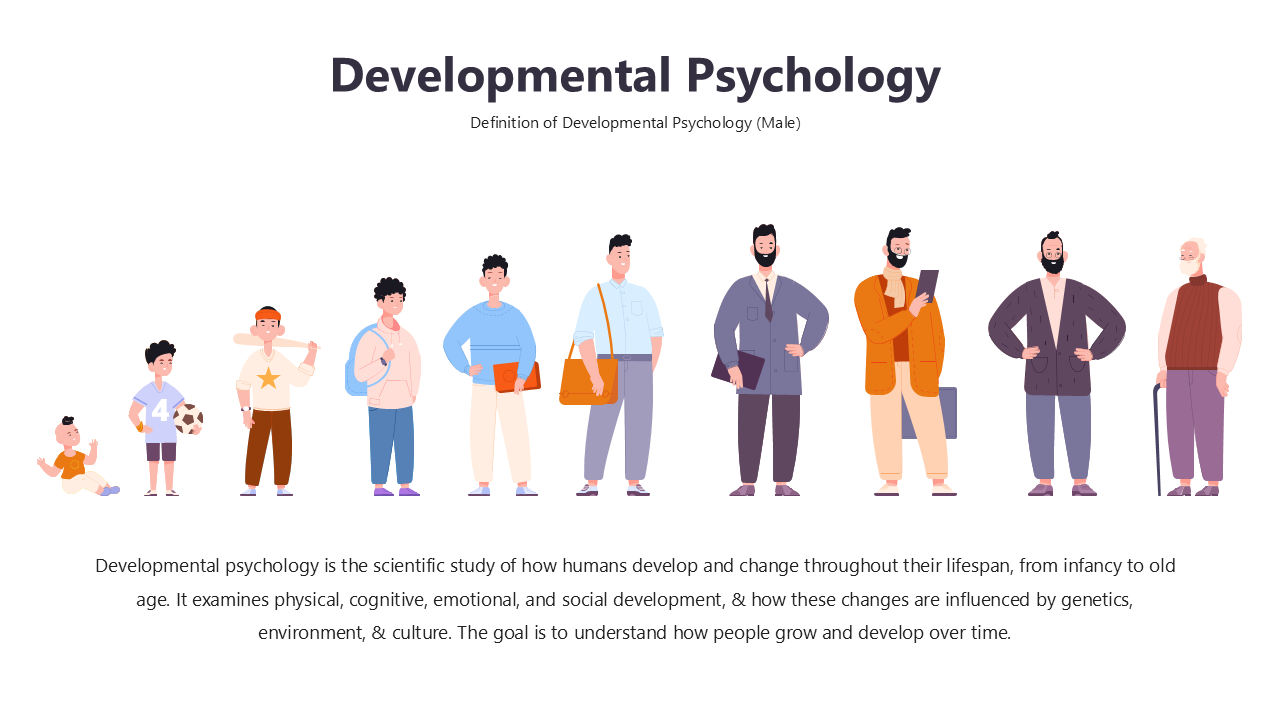
By requiring students to secure their own placements in consultation with their academic advisor, the institute places the responsibility of placement on the individual.
The curriculum remains anchored in foundational study areas, including biological foundations of development, language development and communication, and global issues on children and youth in society.
The program catalog provides details on the coursework required for the degree.
Keep reading

5 Budget Changes That Add Up Fast in Retirement – MONEY
Retirement budgets can help individuals move from stressing about money to feeling in control of their financial future,...

Kanye West Sued by Musician Who Says He Was Locked in Wyoming High School to Write Opera
Kanye West faces a new federal lawsuit from an opera musician alleging he was locked inside a Wyoming...
Milwaukee Public Schools Superintendent Addresses Finances, Safety and Declining Enrollment
“I believe MPS has everything it needs to build and become extraordinary,” said Brenda Cassellius. Milwaukee Public Schools...

How to Monetize Apps Built With AI Prompts and Builders
Building an app is easier than ever in the age of vibe coding, where you can build software...