“This is a good day for Britain, and this is a good day for Europe,” Prime Minister Andy Burnham declared at a press conference in Brussels on Friday, sealing a trio of agreements that mark the most significant shift in UK-EU relations since Brexit.
The summit produced concrete deals on veterinary alignment, carbon market linkage, and a youth mobility scheme permitting 100,000 Europeans under 32 to live, work, and study in the UK annually—with reciprocal rights for Britons—though the package hinges on resolving a sharp dispute over university tuition fees for EU students. Legislation to enact the accords could reach the House of Commons as early as next week, targeting a March 2028 implementation deadline.
Three Pillars: Food, Carbon, Youth
The veterinary agreement—dubbed a Sanitary and Phytosanitary (SPS) deal by negotiators—removes routine border checks and slashes paperwork for agrifood exporters, a move the government claims could add 0.5 percent to UK GDP, roughly £17 billion.
A second accord links the UK and EU Emissions Trading Systems, creating a unified carbon price to prevent competitive distortion. The third, a Youth Experience Scheme, mirrors Australia-style working holiday visas but caps participation at 100,000 per side per year.
Excited to join @ChathamHouse this morning to discuss what’s next for the UK-EU relationship. Link below 👇🏿 https://t.co/q6r8PC4gN4
“The deal is done. It is there in black and white in front of you,” Burnham told reporters, insisting the framework was finalized despite European Commission President Ursula von der Leyen acknowledging “sticking points” on student fees.
The Tuition Fee Flashpoint
Brussels is demanding that EU students pay domestic “home” fees rather than international rates. UK universities, already facing a funding crisis, warn the loss of international fee income would blow holes in departmental budgets. The EU has threatened to block the entire package within six months if the fee disparity remains.
The EU and the UK are closest neighbours, reliable allies and natural partners – bound by deep historical ties and shared values. And in an increasingly challenging world, we have both a responsibility and a duty to work together. https://t.co/aq5meSSTGe
Von der Leyen played down the row, saying she was “confident we are going to find a solution,” while Burnham rejected suggestions of confusion. Nigel Farage, leader of Reform UK, accused the Prime Minister of naivety, telling LBC the EU had “used this moment to strongarm the British prime minister over tuition fee cuts for hundreds of thousands of EU students.”
Starmer’s Blueprint, Burnham’s Momentum
Friday’s summit was largely architected under former Prime Minister Sir Keir Starmer, whose technocratic “reset” strategy had the deals “90% there” before his ouster this summer, Nick Thomas-Symonds, Europe minister under Starmer, told CNN. Burnham, installed four months ago, has adopted a visibly bolder posture, explicitly floating eventual rejoining—”in my lifetime”—while ruling out single market or customs union membership during this parliament.
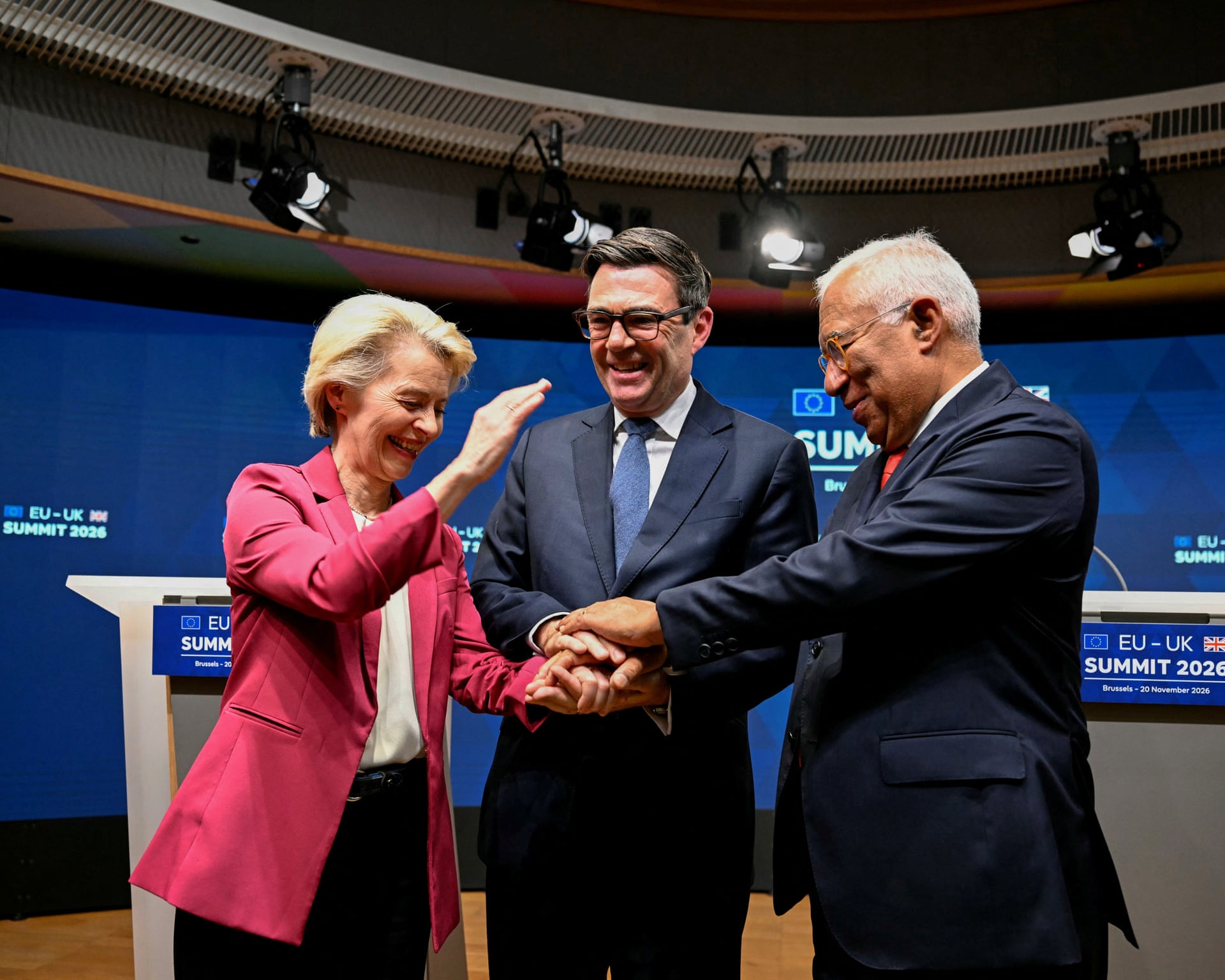
European Council President António Costa leaned into the ambiguity, telling reporters Burnham was “always welcome” in the EU—a line that drew laughter for its double meaning.
EU foreign policy chief Kaja Kallas warned last week that the bloc suffered “a lot of trauma” from Britain’s departure and that any future negotiations “will not be that easy.” An EU diplomat added bluntly: “The UK has a tendency to make even small questions so difficult.”
Opposition Hardens on Two Fronts
Conservative leader Kemi Badenoch dismissed the summit as irrelevant, arguing “the problems this country faces today have nothing to do with being in or out of the EU.” Meanwhile, two new campaign groups with Vote Leave pedigrees launched this week explicitly to oppose re-entry. Farage, holding a counter-press conference in Brussels, branded the accords “not a reset, it’s a reverse” and insisted Burnham held “no mandate whatsoever” for alignment.
Welcome to Brussels, dear @andyburnham – it is our pleasure to host the second EU-UK Summit. Our progress since the last summit is already helping people and businesses, and today we’ll build on this momentum: ✔️ Making it easier for our young people to live, work and study in… pic.twitter.com/vxOirvKTIp
Polls now show a narrow majority favoring rejoining, but the political geometry remains fraught: Labour’s 2024 manifesto red lines—no single market, no customs union, no freedom of movement—still bind the government, even as Burnham promises “informal brainstorming” on the long-term relationship over the next year.
The European Commission, now a 27-member cabinet led by Ursula von der Leyen, traces its authority to the 1951 High Authority of the European Coal and Steel Community, which first met in Luxembourg City under Jean Monnet. Merged into a single administration in 1967, it today oversees roughly 32,000 civil servants organised in Directorates-General that function like national ministries.
American Stakes in a European Reset
Andy Burnham, Prime Minister, at Brussels press conference asked why anybody would turn their back on that.
The EU-UK agreement reached today is good news for people and businesses on both sides. More young people will be able to work and study across the Channel. They must have the same tuition fees as domestic students. This is just a beginning. The UK and the EU should work closer…
Keep reading

Melania Trump Defines Independent First Ladyship in New Prime Video Series
Melania Trump is using a new Prime Video documentary series to define a first ladyship built on deliberate...
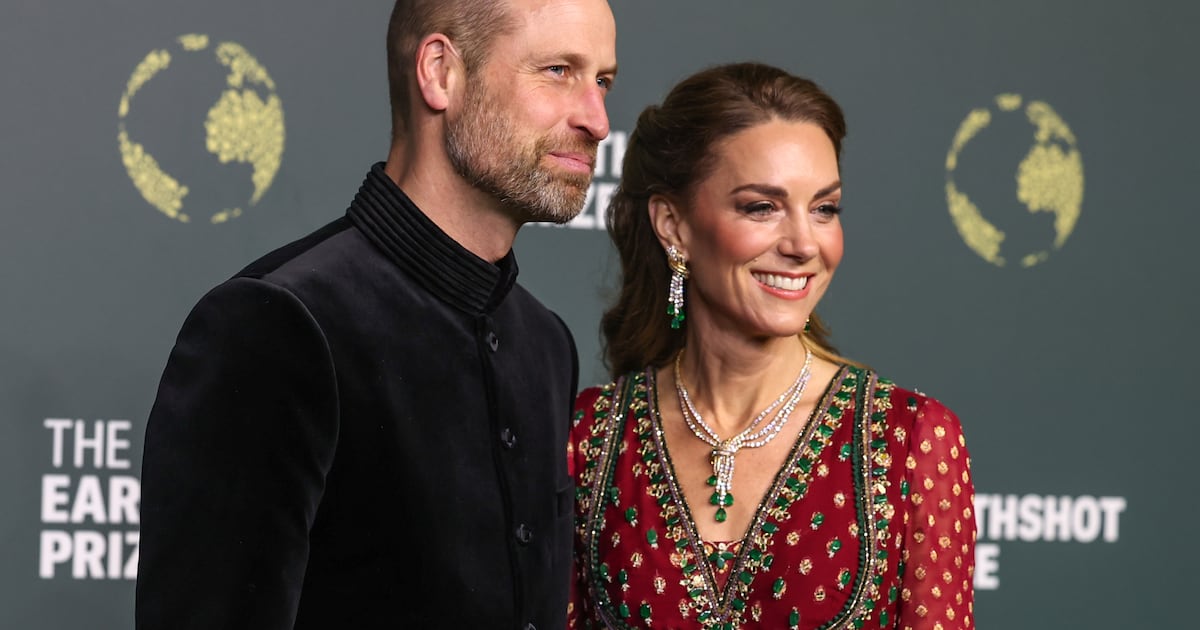
Ian Patrick: William Enjoyed Having Kate at Earthshot, They Are a Team
Prince William and the Princess of Wales concluded a three-day visit to India on November 18, their second...
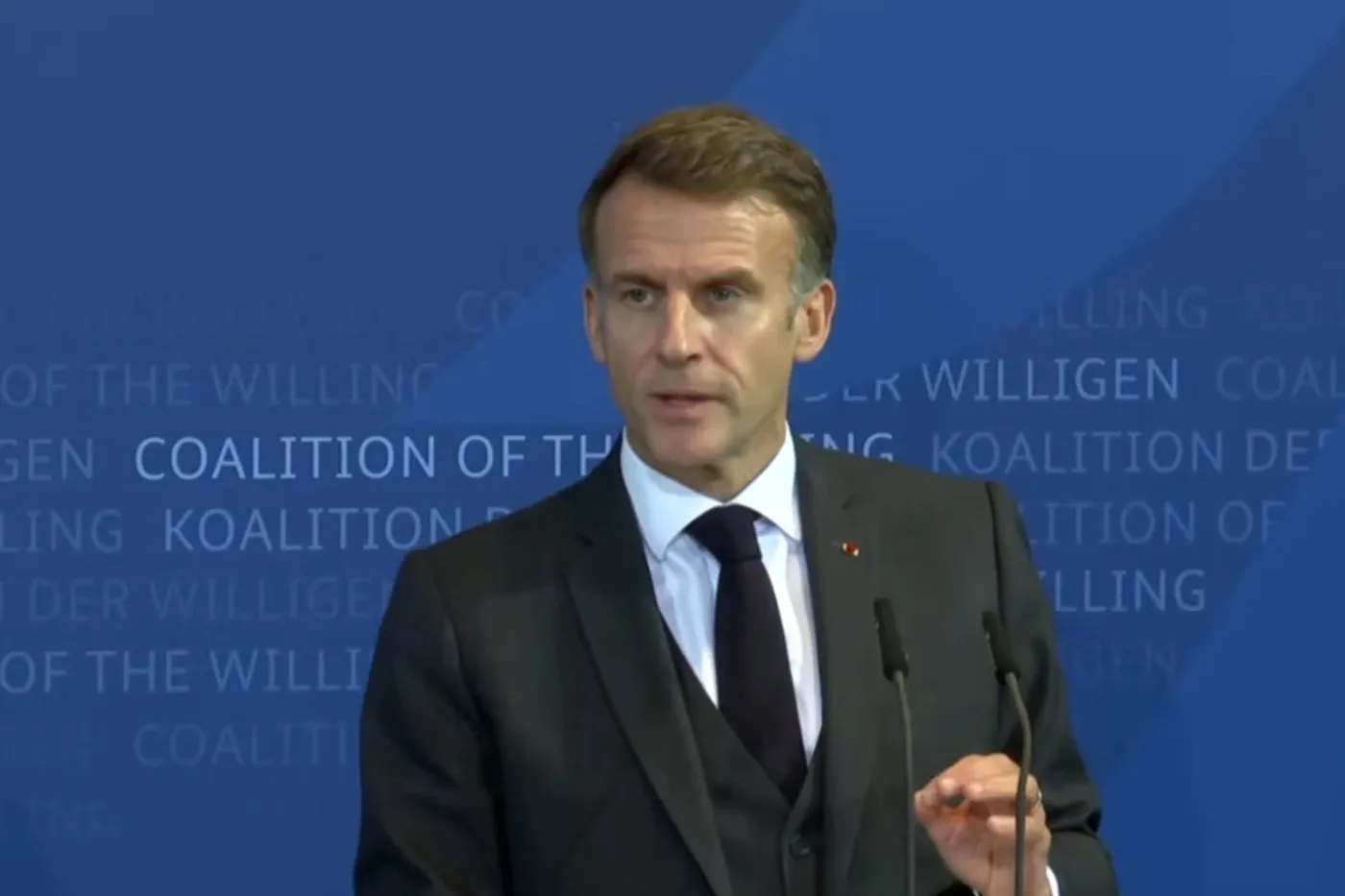
AP: Russian Missiles Breach Polish Airspace During European Drill for Ukraine Mission
European defence ministers watched Russian missiles penetrate Polish airspace on Friday while their troops rehearsed a postwar mission...

The Guardian: Trump Met Putin and Xi in Shenzhen for Trilateral Summit
Donald Trump sat down with Vladimir Putin and Xi Jinping in Shenzhen on Thursday for the first trilateral...