
Business leaders must shift focus from AI access to meaningful use as models become cheaper, the World Economic Forum said, warning that language gaps, data infrastructure, and skills shortages risk leaving billions behind.
Open models grow more affordable, yet constraints have moved to language coverage, reliable data infrastructure, integration with legacy systems, and workforce skills.
Domain models close the language gap
Leading large language models predominantly favor English and a limited number of widely represented languages, leaving billions of non-English speakers at risk of digital marginalization, the article said. Domain-specific models trained on relevant industry data can match or outperform general-purpose frontier models for specialized tasks at a fraction of the inference cost. They run on infrastructure accessible to a mid-sized country, regional telecommunications provider or public institution.
The report highlights Tech Mahindra’s Project Indus, an open-source language model initially developed for Hindi and its 37-plus dialects, as an example of how technology can be made relevant and accessible to underserved communities.
Workforce investment matches tech spend
AI equity cannot exist without widespread digital capability, the article stated. Developing AI-ready talent requires continuous learning, cross-functional collaboration, and AI literacy across the enterprise. Tech Mahindra’s investment in upskilling more than 80,000 employees in AI reflects the belief that building human capability is as important as building technological capability.
The Tech Mahindra Foundation’s SMART Academies in Delhi, Hyderabad, and Visakhapatnam train youth in job-ready digital technologies through courses such as AI for Educators, empowering government schoolteachers to integrate AI into classroom practice.
Efficiency becomes an equity issue
As AI adoption scales, growing demand for compute and energy makes efficiency both an economic and environmental imperative, the report said. Ensuring AI benefits are not limited to organizations and economies with abundant computing resources will be critical to building a more equitable AI ecosystem.
Leadership in the AI era depends less on having every answer and more on asking better questions, remaining curious, and adapting continuously, the article concluded.
Keep reading
- Two Men Arrested After Break-In at Prince William and Kate’s Norfolk Home, Anmer Hall
- Mariella Frostrup Misses Stars in Bushtucker Trial as Viewers Question Tone With Hosts
- Hunters Sue SpaceX, DOTD to Halt Bridge Closure Threatening Pecan Island Lease Access (world-today-news.com)
- AI Automates Routine Work But Leaders’ Responsibility Grows, Entrepreneur Reports (archyde.com)
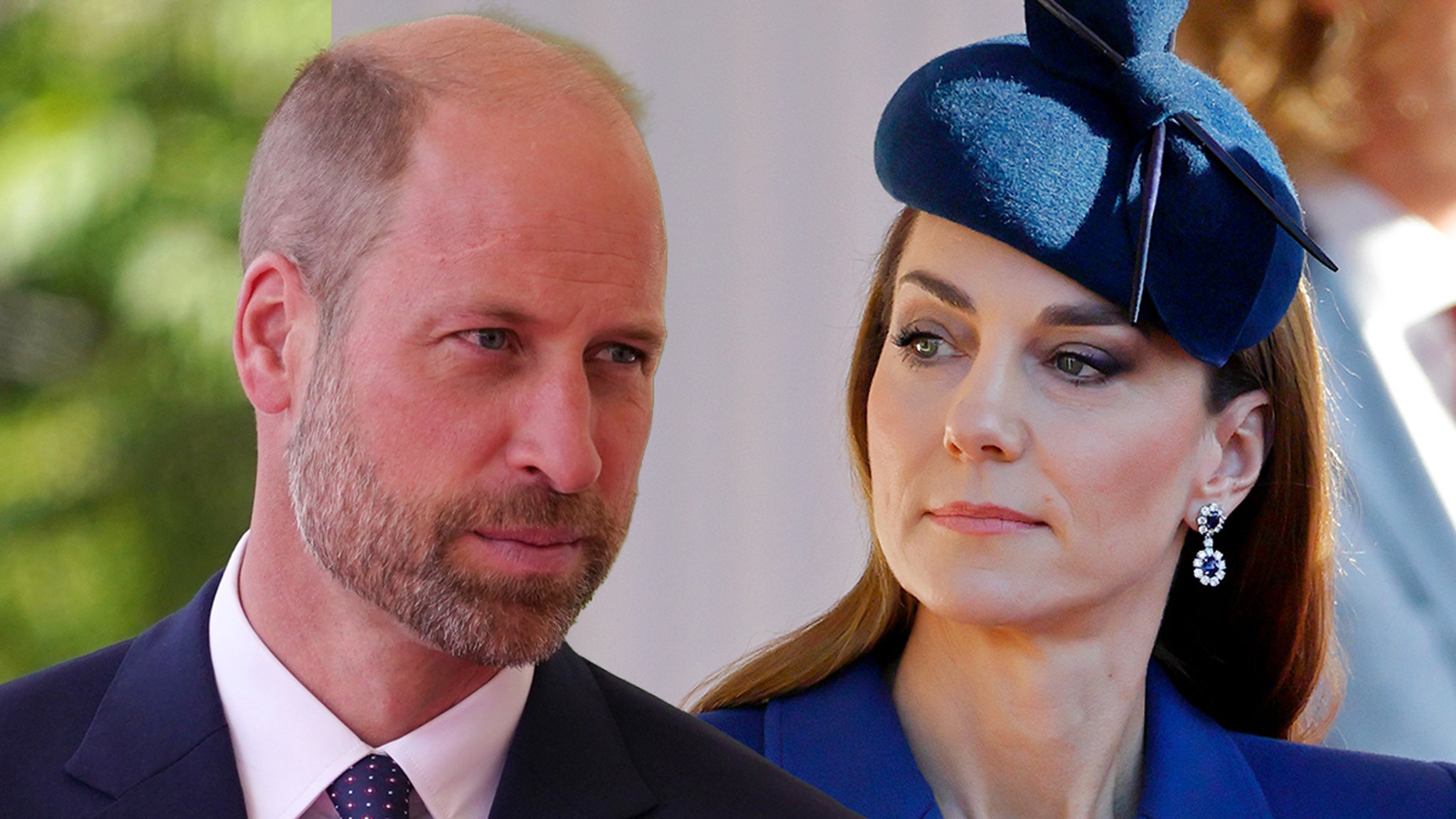
Two Men Arrested After Break-In at Prince William and Kate’s Norfolk Home, Anmer Hall
Two men were arrested on suspicion of burglary and trespass after intruders broke into Anmer Hall, the country...

Mariella Frostrup Misses Stars in Bushtucker Trial as Viewers Question Tone With Hosts
Mariella Frostrup failed to secure a single star for camp during Monday's Bushtucker Trial, The Snake Escape, leaving...

Channel 4 Renews Bake off as First Episode Beats Strictly Launch in Ratings
Channel 4 confirmed the renewal as the 17th series approaches its final on Tuesday. The first episode of...

Kate Middleton’s Voice Tremors During Earthshot Speech Reveal Rare Vulnerability Amid Royal Pressure
The Princess of Wales experienced a brief tremor in her voice while delivering a surprise speech at the...