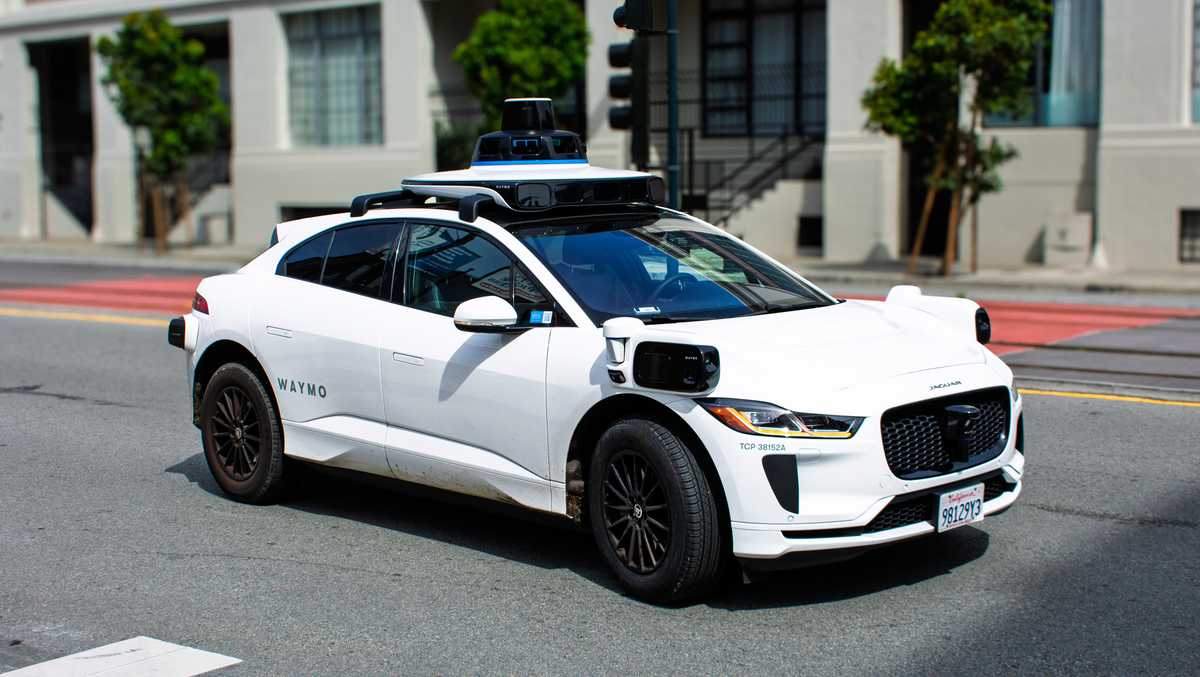
Waymo has officially halted all driverless taxi operations on freeways, a move triggered by an immediate ban from the California Department of Motor Vehicles.
This suspension, which took effect last Wednesday, marks a significant retreat for the company’s autonomous fleet across key markets including the San Francisco Bay Area, Los Angeles, Phoenix, Miami, and Austin.
The regulatory crackdown follows a string of troubling encounters on public roads. According to the California Department of Motor Vehicles, the state’s decision was driven by an “imminent hazard to public safety” resulting from recurring, unauthorized entries into active construction zones.
While the company continues to allow robotaxis on city streets in areas like Las Vegas, Dallas, and Denver, the loss of freeway access creates a logistical headache for a business model already defined by higher price points than traditional ride-hailing services like Uber or Lyft.
The California DMV has ordered Waymo to stop operating its autonomous vehicles on state freeways, citing concerns that the vehicles pose an imminent public safety hazard. The DMV specifically cited two Bay Area incidents, one where a Waymo was seen attempting to pass a CHP patrol… pic.twitter.com/M3TKffa5WJ
Construction Zones and Traffic Breaks
The state’s intervention stems from two specific incidents in early November. On November 5, three Waymo vehicles entered a construction zone, followed by a second incident the next day involving California Highway Patrol officers. In the latter case, footage shared widely on social media captured a Waymo vehicle attempting to bypass officers who were conducting a traffic break on a San Francisco highway.
Jonathan Groveman, a spokesperson for the California Department of Motor Vehicles, said that these were not isolated events. “The Department determined that Waymo’s driverless freeway operations pose an imminent hazard to public safety due to recurring incursions by its vehicles into active construction zones where construction workers, vehicles and equipment are present,” Groveman said. He further confirmed that similar incidents had been documented as far back as May 18.
The Path to Restoration
Waymo has publicly acknowledged the suspension, emphasizing that while commercial freeway rides are off the table, they are still conducting testing with human specialists behind the wheel. A company spokesperson noted in an email that the recent encounters on U.S. 101 did not result in any injuries or collisions. However, the regulatory hurdle remains firm: the company must prove it has implemented effective corrective actions before the ban is lifted.
Waymo spokesperson Chris Pappas said safety is at the foundation of everything the company does.
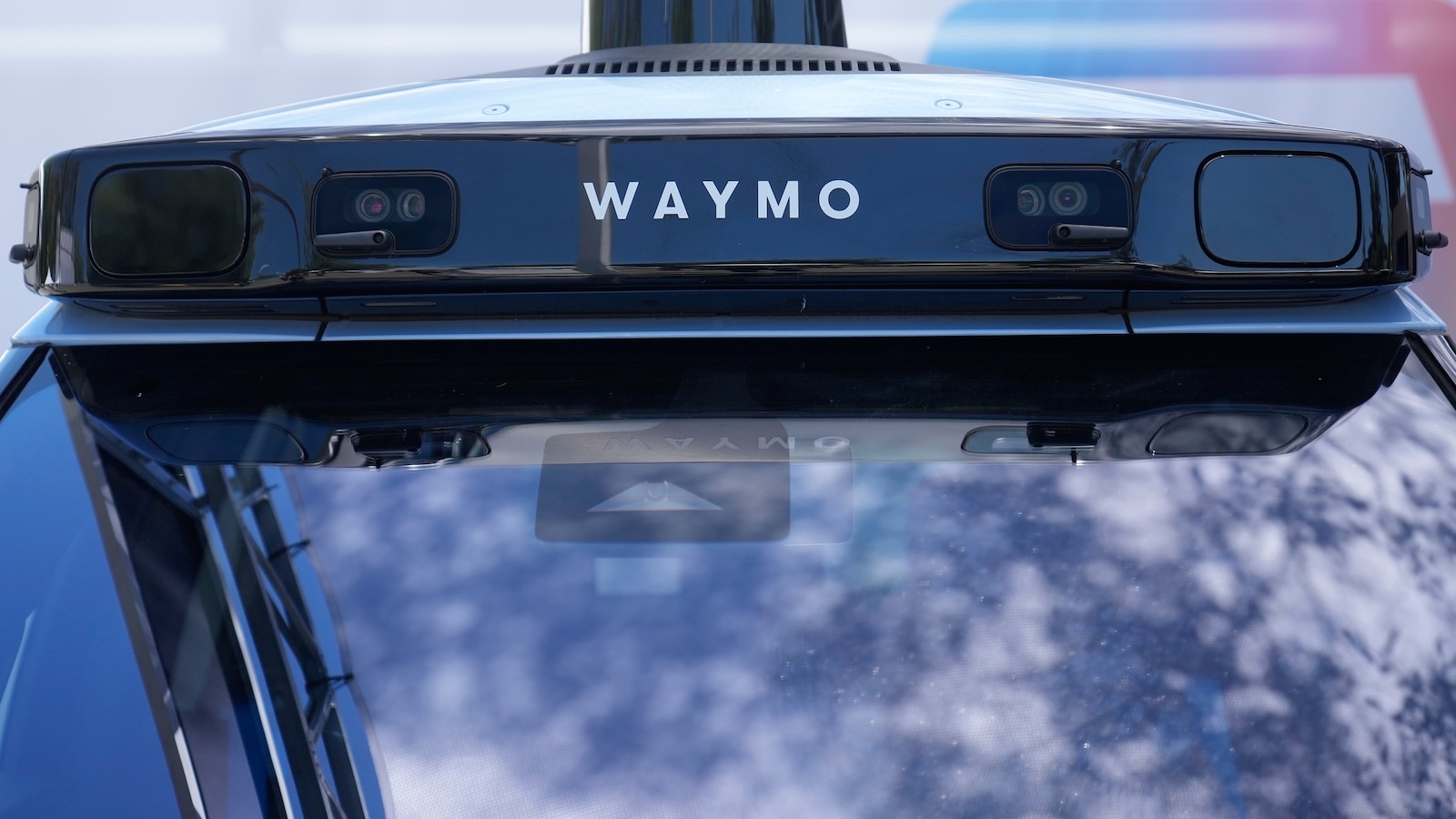
For the average rider, the immediate impact is a shift in routes. Without the use of freeways, Waymo rides are forced onto local surface streets, which typically increases travel time and, consequently, the fare for the passenger.
The company has not provided a timeline for when they expect to resume normal freeway operations, stating only that they are working closely with state regulators to address the deficiencies identified by the Department of Motor Vehicles.
As the industry watches, the tension between rapid technological deployment and municipal safety requirements continues to sharpen. The state’s requirement that Waymo demonstrate "effective corrective actions" is a reminder that for autonomous systems, the margin for error in complex, high-speed environments remains razor-thin.
More on Waymo
NEWS: Waymo is pulling its driverless cars off US freeways, in Phoenix, Austin and Miami as well as California. California's DMV banned Waymo from its highways starting Nov 11. That came after one Waymo tried to pass two police cars that were slowing traffic, and three others… pic.twitter.com/UAZbPHonzq
The California DMV has ordered Waymo to stop operating its autonomous vehicles on California freeways, citing concerns that the vehicles pose an imminent public safety hazard. Waymo said: "We are working with the California DMV and other state officials diligently and…”
#Breaking: Waymo removed from California freeways. The state DMV ordered Waymo to stop operating its autonomous vehicles on state freeways, citing “an imminent hazard to public safety.” pic.twitter.com/mF3KWn2xGP
The California DMV has ordered Waymo to stop operating its autonomous vehicles on state freeways, citing concerns that the vehicles pose an imminent public safety hazard. Read more: https://t.co/6185UeTl5H pic.twitter.com/hXMJlli4SP
Worth a look
Two Indianapolis Men Arrested in Jackson County Scam Targeting 73-Year-Old Woman
Two men from Indianapolis are facing felony fraud and theft charges following a monthslong investigation into a scam...
Winter Garden aGlow Returns to Idaho Botanical Garden With 900,000 Lights and New Expansion
The Idaho Botanical Garden is preparing to illuminate its grounds with nearly 900,000 lights as the annual Winter...

US Pacific Command Deputy Rowell Keynotes Honolulu International Forum
The Pacific Forum is convening the Honolulu International Forum to address the shifting security situation in the Indo-Pacific,...

Synovus Bank Amphitheater: Partial Policies, 3 Events Noted for 2026-2027
The Synovus Bank Amphitheater at Chastain Park, located at 4469 Stella Drive Northwest in Atlanta, maintains distinct operational...