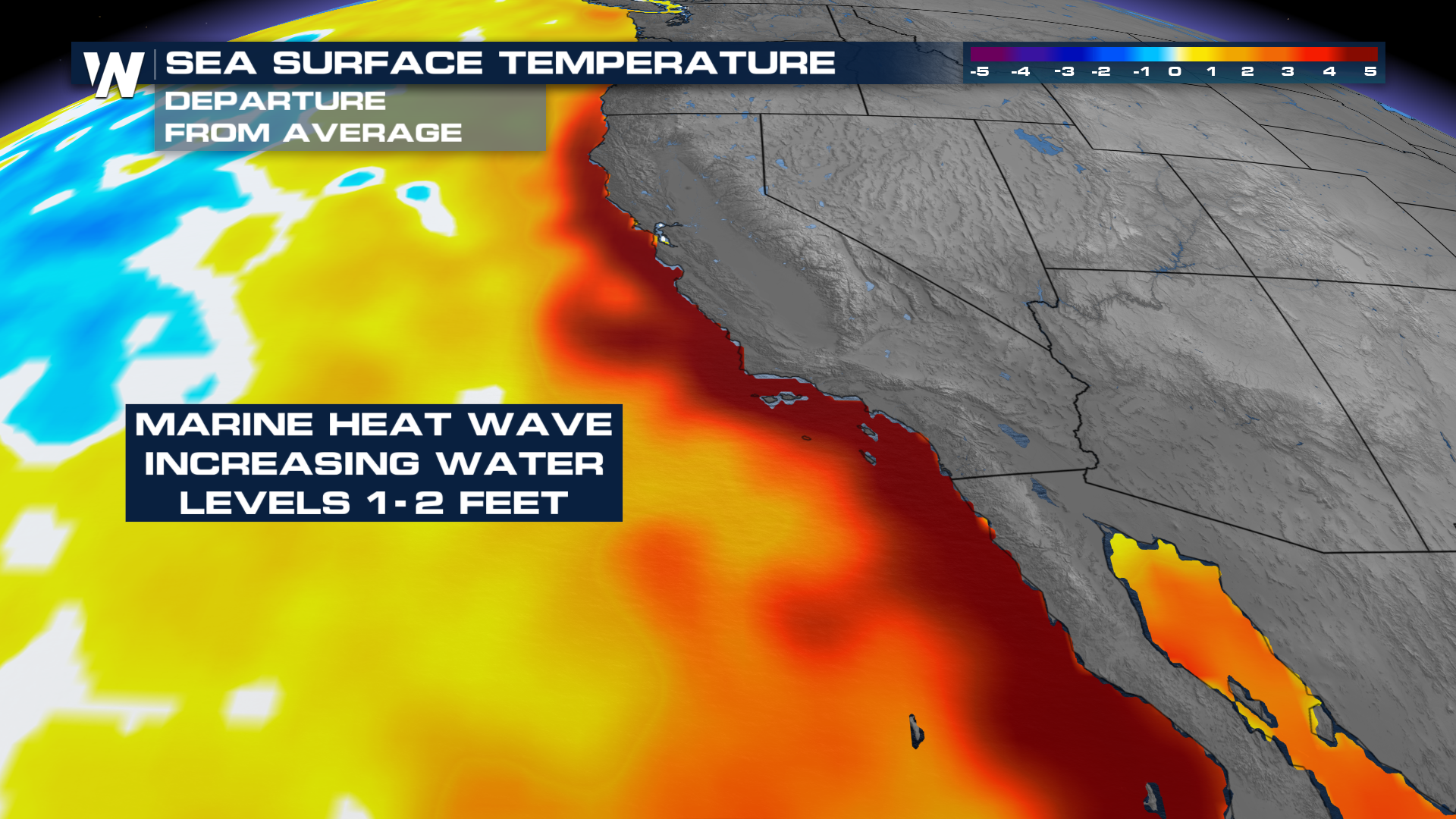
California tides bring record coastal flooding this November as King tides return.
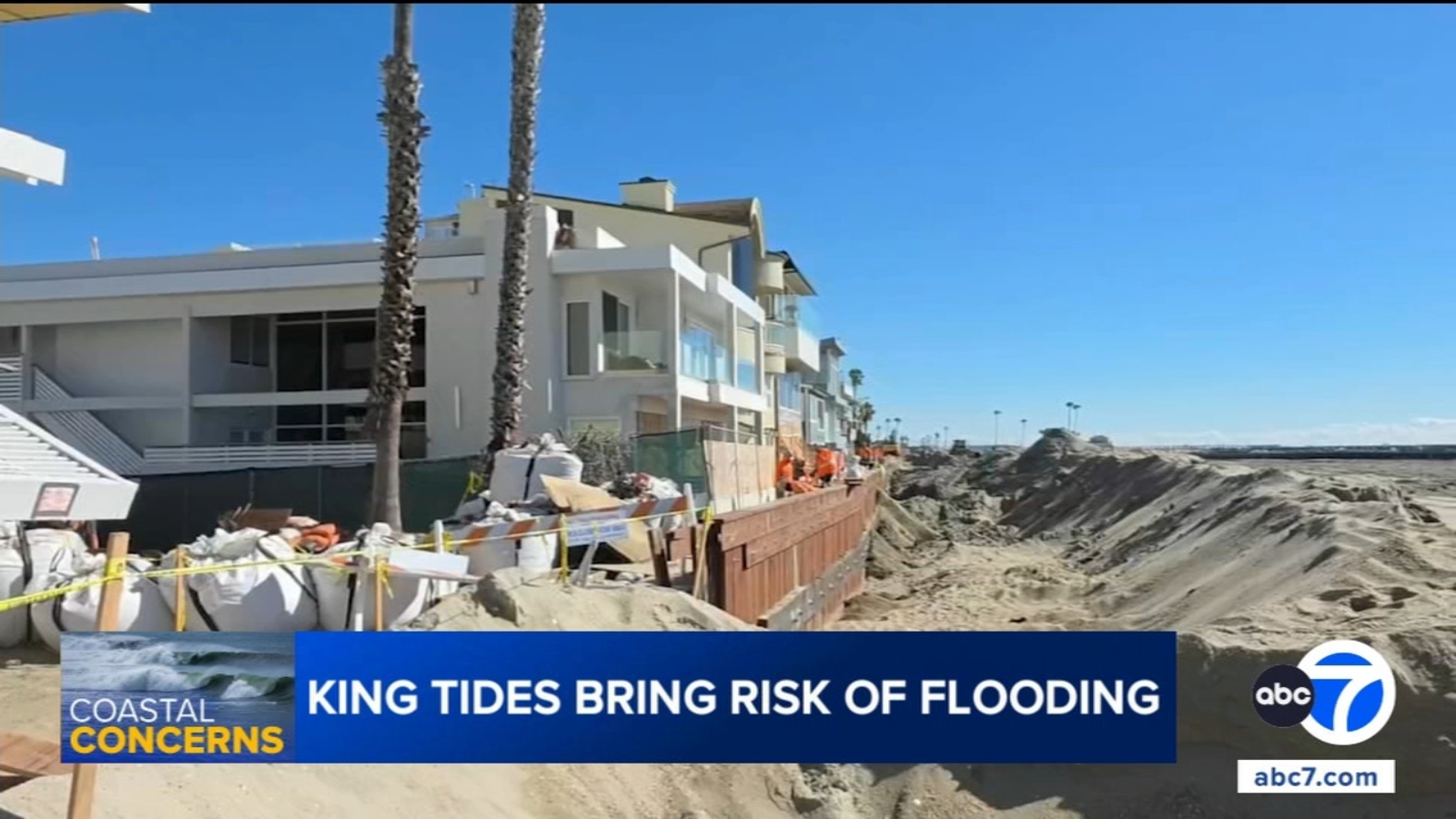
The stakes here aren’t just about wet sand; low lying areas across the state face inundation, impacting everything from beach parking lots to coastal infrastructure.
El Niño has driven a marine heat wave, causing sea levels to sit consistently 1-1.5 feet above normal, WeatherNation reported.
This elevated baseline means the expected November and December tides could be 6-12 inches higher than October’s already broken records.
Southern California Tides Reach New Heights
Southern California communities, like Seal Beach and Newport Beach, are preparing for this elevated water, according to nbclosangeles.com.
Forecasters warned that ocean water levels could hit 9 feet or higher, potentially exceeding last month’s record by about 12 inches.
Coastal flood advisories are in effect for Orange County from 4 a.m. Sunday to 4 a.m. Tuesday, abc7.com detailed.
The period of greatest risk for flooding along the Los Angeles County coast is expected Wednesday and Thursday, with high tides forecast between 8:45 and 10 a.m., abc7.com noted.
The Triple Threat Impacts Coast
The risk isn’t just high water; it’s a combination of factors, including a Kelvin wave and thermal expansion of ocean water, abc7.com explained.
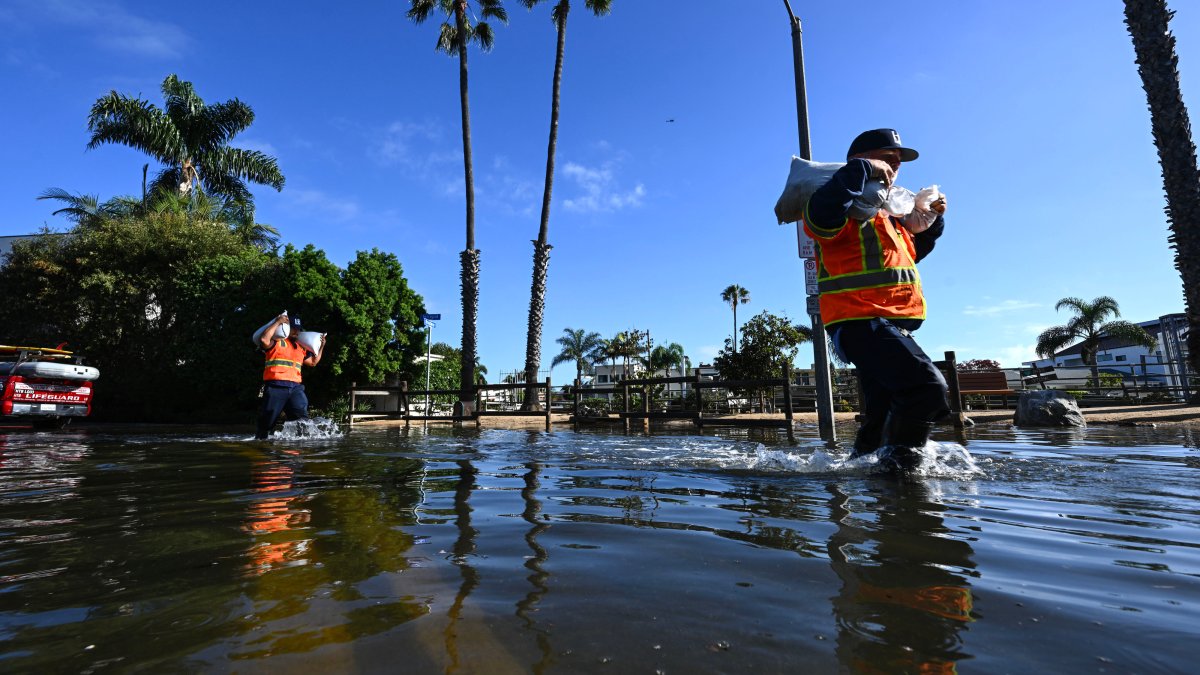
For businesses and homeowners in areas like Long Beach and Malibu, this means potential damage to coastal roads and structures, latimes.com observed.
City officials urged residents and business owners to remain on high alert from Nov. 22 through Nov. 27, nbclosangeles.com stated.
“The coastline will be dangerous with tide levels that could set new records,” said Ben Ruttenberg, director of Cal Poly’s Center for Coastal Marine Sciences.
Beyond California’s Coastal Surge
The high tide pattern isn’t confined to the Pacific coast; King tides are also impacting the East Coast of Florida around Thanksgiving, WeatherNation reported.
While South Florida saw its peak tides earlier, areas farther north like St. Augustine and West Palm Beach anticipate higher tides leading up to Thanksgiving, WeatherNation reported.
Catastrophic flash flooding hit the east coast of Florida last week, leading to record breaking flooding on the St. Johns River, WeatherNation reported.
The Long View of El Niño’s Power
This event echoes past severe weather, as latimes.com said that the combination of powerful Pacific storms and high tides wrecked Southern California in the winter of 1982-83.
A researcher at the Scripps Institution of Oceanography at UC San Diego commented on this historical pattern.
“This is, for me, the key to what happens during these El Niño years when you have a high water level, big waves and big tides all occurring at the same time. In other words, the coincidence of storms and big waves, if they occur during these periods of peak high tides, that’s when the damage and the flooding and the beach erosion is the worst,” said Reinhard Flick, a researcher at the Scripps Institution of Oceanography at UC San Diego.
Mark Merrifield, director of the Center for Climate Change Impacts and Adaptation at UC San Diego’s Scripps Institution of Oceanography, said, “We’re facing a triple threat here in terms of coastal impacts in California associated with this El Niño event: higher waves, more rain, and higher sea levels.”
The Unanswered Question of Rainfall
While the immediate danger centers on tidal inundation, the potential for rainfall during the Thanksgiving week period remains uncertain, latimes.com noted.
Ryan Kittell, a National Weather Service meteorologist, said,
“there’s not yet much clarity on how much rain could come next week, and there’s still some chance that it could end up being dry on those days.”
Water Rescues Amid Record-Breaking Rain Heavy rainfall across the Bay Area led to water rescues today. An elderly woman was rescued and transported to the hospital as a precaution, while one man managed to escape his vehicle before being rescued to safety by boat. The… pic.twitter.com/dcELnVNndw
The possibility exists that high tides could coincide with significant rain, a risk scientists are watching closely, latimes.com reported.
The coastal flood watch for Catalina runs from 3 a.m. Monday through 3 p.m. Thursday, abc7.com advised.
🌊 BIRD’S-EYE VIEW OF MASSIVE SWELLS IN PACIFICA 🌊 The NWS Bay Area office has issued a warning for beachgoers, cautioning that exposed beaches could see waves topping 40 FEET, with some sets potentially exceeding 60 FEET! 😳 #CAwx pic.twitter.com/Qw2MvqH69R
Related reading
- Woman Found Dead in Ditch Beside Highway Outside South Burlington CVS
- McPherson College Volleyball Secures Spot in NAIA National Tournament in Sioux City
- Lark Atkin-Davies sets sights on England return and PWR title after birth of daughter (newsarchyuk.com)
- Credit Card Debt Hits Record $1.29 Trillion but Trails 2008 After Inflation (daybreakwire.com)

Woman Found Dead in Ditch Beside Highway Outside South Burlington CVS
South Burlington police found a woman dead in a ditch beside the highway outside a CVS around 10...

McPherson College Volleyball Secures Spot in NAIA National Tournament in Sioux City
McPherson College Volleyball secured a spot in the NAIA National Tournament in Sioux City, Iowa on Saturday afternoon....

UA Tuition Changes Approved by Board of Regents for Fall 2027, Says Alaska
University of Alaska tuition shifts in 2027 simplify billing for nearly 20,000 students. The new program-based tuition structure,...
UNC Wilmington Versus Duke Game Highlights Were Documented by ESPN Video
UNC Wilmington versus Duke game highlights were documented by ESPN Video, capturing moments like Jack Foley's 66-yard touchdown...