
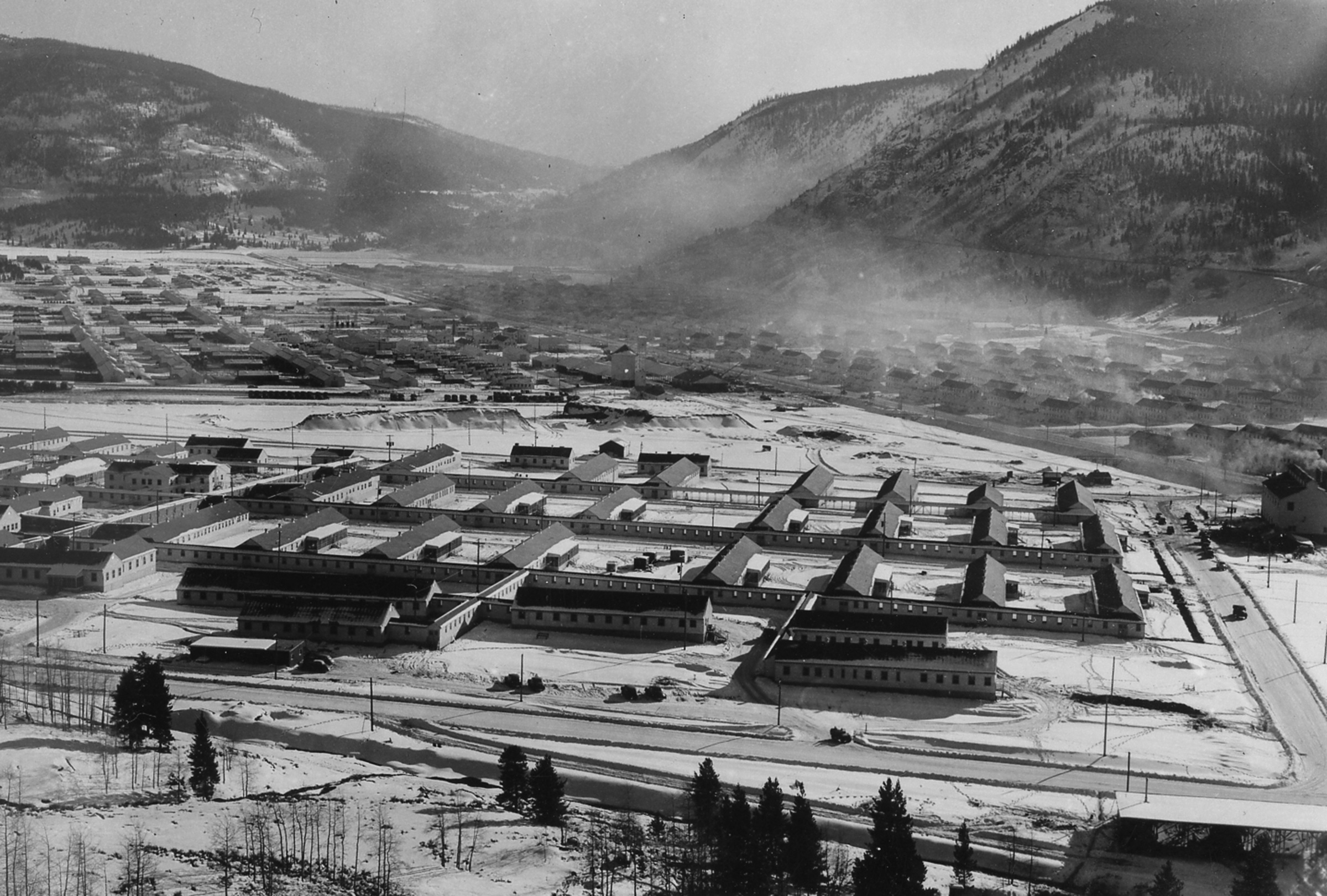
In the high-altitude expanse of Colorado’s White River National Forest, a rugged stretch of land known as Camp Hale has long been defined by its role in molding the 10th Mountain Division for the battlefields of World War II.
Yet, beneath the familiar narrative of ski-industry pioneers training on these slopes, a far more clandestine history has finally received official recognition. On September 24, 2026, a specific site within the former military installation—formally designated as #5EA.197—was added to the Colorado State Register of Historic Properties, according to a letter addressed to Eagle County officials from State Historic Preservation Officer Dawn DiPrince.
This site marks the location where, from 1958 to 1964, the Central Intelligence Agency conducted secret training for Tibetan freedom fighters. The fighters, members of the Chushi Gangdrug Army, were mounting an insurgency against the People’s Liberation Army following the 1950 invasion of Tibet.
While the U.S. Army established the camp in 1942 for winter warfare, the specific coordinates of the CIA’s training ground—referred to as “The Ranch” by the CIA and “Dumra,” or “Garden,” by the Tibetans—remained a mystery for decades.
The path to this designation began in 2024, when EagleVail’s Tracy Walters collaborated with Dr. Carole McGranahan, an anthropology professor at CU Boulder, to pinpoint the exact location of the training camp. Their discovery was celebrated on-site alongside Bruce Walker, the sole CIA survivor, and members of the Tibetan community.
“I am thrilled to hear that the section of Camp Hale where the CIA trained Tibetan soldiers has been designated a state landmark by the Colorado Historic Registry. This is excellent and exciting news, and it’s not just because this is going to bring a part of unknown Colorado history to Coloradans,” said Dr. Carole McGranahan, an anthropology professor at CU Boulder. CU’s McGranahan
The designation serves as a bridge between the post-WWII era of geopolitical maneuvering and modern-day international relations. Camp Hale has undergone significant shifts in public perception, most notably in 2022, when President Joe Biden designated the area a national monument.
While many visitors now associate the geography with the origins of the American ski industry—pioneered by veterans like Peter Seibert and Earl Eaton—the site’s history remains complex. The camp’s legacy encompasses everything from housing prisoners of war during the 1940s to serving as a site for ongoing military munitions remediation overseen by the U.S. Army Corps of Engineers.
For Eagle County Commissioner Matt Scherr, the state register listing is a necessary step in acknowledging a darker, more intricate chapter of the Cold War. “It’s high time we recognize Camp Hale’s fascinating history in geopolitical intrigue,” Scherr told the Vail Daily.
“We all know of its role in World War II and the development of the American ski industry. Now we can highlight its fascinating role in the Cold War politics that dominated the globe in the decades following WWII.”
The stakes of this history extend beyond the preservation of physical ruins. For the Tibetan community, the site represents a tangible link to a struggle that continues to this day.
McGranahan said that the geopolitical tensions that drew the CIA to Camp Hale in the late 1950s have not vanished, but have instead entered contemporary politics. The site serves as a reminder that the global struggle against repressive regimes remains an active, ongoing reality.
As the state moves forward with this historic recognition, the physical site itself remains subject to the realities of its former military use. The area, which spans approximately 200,000 acres, continues to be managed under the Formerly Used Defense Sites program. Because the land was used to test a variety of weapons and equipment, an Interim Risk Management Plan remains in place to protect the public from potential exposure to explosive hazards.
The designation of #5EA.197 as a state historic property does not alter these environmental responsibilities, but it does ensure that the human stories tied to this valley—from the mountain soldiers of the 1940s to the Tibetan insurgents of the 1960s—are codified in the official record of the state of Colorado.
- Clinton Firefighter-EMT Becky Stuart Dies Unexpectedly
- Travis Etienne Has Limited Practice in Return to Saints
- Porzingis Stepped Away, and His $20M Still Counts on Golden State's Cap (daybreakwire.com)
- Historic SS United States Ocean Liner to Become World’s Largest Artificial Reef in Florida (archyde.com)

Clinton Firefighter-EMT Becky Stuart Dies Unexpectedly
Becky Stuart’s jacket hangs waiting in a Clinton fire station, one of several physical reminders of the firefighter-EMT...

Travis Etienne Has Limited Practice in Return to Saints
Saints running back Travis Etienne returned to practice on Wednesday as a limited participant following a hamstring injury...

UNC Hosts Louisville at Kenan Stadium on Nov. 14, 2026
North Carolina last welcomed Louisville to Kenan Stadium on a September afternoon in 2017, when Lamar Jackson torched...

Kansas Dominates Kentucky 89-69 in Champions Classic Loss
The Kansas Jayhawks systematically dominated Kentucky 89-69 in Chicago on Tuesday night, handing the Wildcats their first loss...