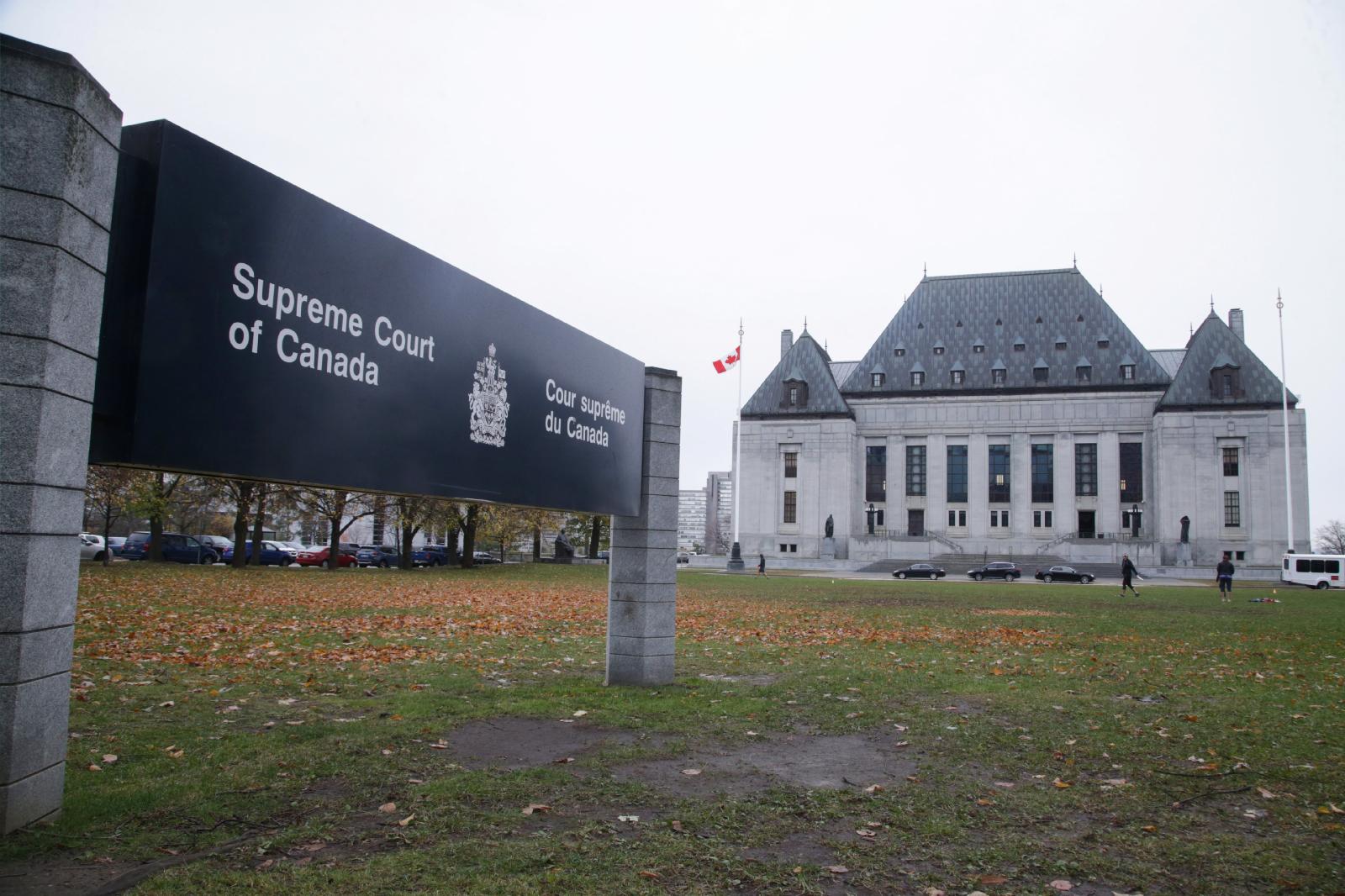
“No person should be required to choose between the faithful expression of his or her religious convictions and the opportunity to serve society,” the Canadian Conference of Catholic Bishops stated on November 27, 2023, as two Canadian high courts issued rulings on significant religious liberty cases.
Canada’s Supreme Court upheld most of a Quebec law prohibiting public servants in positions of authority from wearing religious symbols at work, OSV News reported. The 6-1 ruling on Bill 21, known as “An Act Respecting the Laicity of the State,” allows Quebec to use the “notwithstanding clause” in the Canadian Charter of Rights and Freedoms to temporarily override certain constitutional rights. Enacted by the Québec National Assembly on June 16, 2019, it declares that Québec is a secular state with the goal of separating religion from state affairs. The law also applies the prohibition to employees at subsidized daycares, private schools, and professional development centers. The Canadian Charter’s provision enables Parliament or a provincial legislature to state that a law will temporarily suspend certain rights and freedoms outlined in the Charter for a five-year term, with the possibility of the legislation being extended by the governing authority. The Court also preserved a permitting exception for members of Québec’s legislature to wear head or face coverings during the execution of their official duties.
Reaction to the decision was mixed. The Canadian Civil Liberties Association expressed being “deeply disappointed,” stating Bill 21 has treated religious minorities, particularly Muslim women, as second-class citizens. Conversely, Quebec Premier François Legault, the leader of the Coalition Avenir Québec, wrote on social media that he is “very proud of this legacy.” The English Montreal School Board noted the political fight is ongoing, as the notwithstanding clause must be renewed every five years, next in 2029. The Canadian Conference of Catholic Bishops also shared that the CCRL “share the concern of the CCCB,” as reported by The Catholic Register, based in Toronto. The bishops further stated, “What was proposed as state neutrality is increasingly being imposed as societal irreligion.”
In a separate ruling on the same day, the British Columbia Supreme Court supported Vancouver’s St. Paul’s Hospital in its refusal to provide Medical Assistance in Dying, or MAID. Chief Justice Ronald A. Skolrood dismissed a constitutional challenge to the province’s policy, concluding it does not violate the Canadian Charter of Rights and Freedoms. The policy allows faith-based hospitals to operate in a way consistent with their beliefs without being considered state sponsorship of those beliefs.
The case arose after Sam O’Neill, a Vancouver woman with advanced cervical cancer, was transferred from St. Paul’s Hospital to another facility to receive MAID in April 2023. Her mother, Gaye O’Neill, along with Dying with Dignity Canada and a MAID provider, had argued the transfer caused unnecessary suffering and violated rights. Skolrood found the plaintiffs failed to establish violations of physicians’ freedom of conscience or patients’ rights.
Providence Health Care, which operates St. Paul’s Hospital, “respects the BC Supreme Court’s decision” and remains “committed to continuing to build on our 130-plus-year history of providing compassionate, exceptional and innovative health care to British Columbians.” The Catholic Civil Rights League applauded the ruling, saying it “affords some recognition of the concerns of Catholic health care facilities.” However, Ian Bushfield of the B.C. Humanist Association disagreed, stating the ruling placed Providence’s preferences ahead of patients’ and physicians’ rights. The Canadian Charter of Rights and Freedoms is available online.
Parce que c’est comme ça qu’on vit au Québec! Très fier de ce legs! https://t.co/rVf060kGQF
Keep reading

Colorado Couple Indicted in $180K Theft of Cards, Trailers Across Three States
A Colorado couple indicted in October is accused of stealing more than $180,000 in trading cards, trailers and...

Mazzulla, Tatum Break Down Celtics Final Play in Hawks Loss
The Boston Celtics scored just 35 points in the second half of an 87-86 NBA Cup loss to...
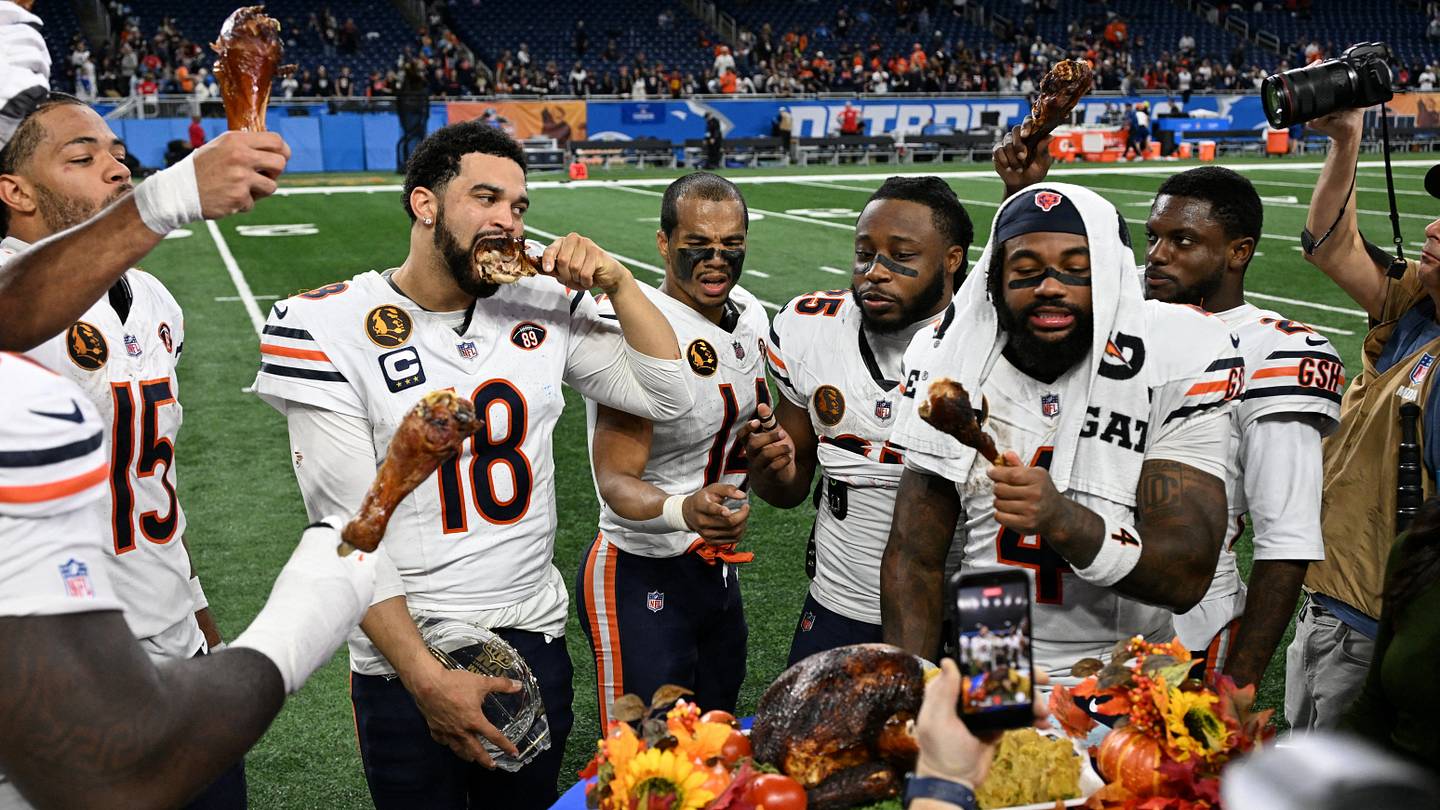
Bears defeated Lions 39-35 on Thanksgiving at Ford Field
The Chicago Bears defeated the Detroit Lions 39-35 on Thanksgiving Day at Ford Field, securing their first NFC...

No. 19 Vermont Defeats St. Cloud State 3-2 in Overtime
Cameron Garvey scored six seconds into overtime Friday to lift No. 19 Vermont to a 3-2 win over...