
The Arizona Cardinals face a season-defining decision that carries weight far beyond the scoreboard of their remaining games.
Following a 17-3 loss to the Seattle Seahawks, the team has dropped to a 3-6 record and sits three games behind the NFC’s third wild-card position, Yahoo Sports reported.
As the trade deadline approaches, the front office is weighing the merits of moving veterans to prioritize the development of future building blocks. This shift centers on rookie quarterback Carson Beck, who has recently been elevated to the backup role to increase his practice responsibilities and proximity to meaningful snaps.
The choice between Beck and veteran Gardner Minshew is no longer just about winning next Sunday. It is a fundamental question of whether the franchise should protect its current competitiveness or invest in its long-term stability.
Beck has shown flashes of the potential that made him a high-priority prospect. During his preseason debut against Carolina, he completed 15 of 19 passes for 188 yards and a touchdown. However, a subsequent rib injury limited his preparation and prevented him from gaining the live game experience necessary for rapid development.

Seeing him play involves difficult travel and scheduling challenges. The Cardinals' roster is currently unstable due to a banged-up offensive line and several injured playmakers. Upcoming matchups against the Los Angeles Rams and the Kansas City Chiefs present a daunting environment for an inexperienced signal-caller.
Some analysts argue that Minshew provides a necessary sense of continuity for an offense that has already dealt with substantial quarterback turnover. Proponents of the veteran option suggest that throwing a rookie into a fractured system could hinder rather than help his growth.

The stakes for the organization involve more than just a single season’s win-loss column. If the coaching staff believes Beck is a legitimate candidate to compete for the starting job in 2027, delaying his entry could be a costly mistake.
Waiting until the offseason to evaluate him might mean sacrificing eight critical opportunities to see how he performs under pressure. The Cardinals do not need to rush Beck’s deployment simply because the 2026 season is slipping away, but they cannot afford to overlook the data that live reps provide.
Ultimately, the question isn’t whether Beck can win games immediately. The real concern is whether Arizona will gather enough intelligence on his capabilities before committing to its next major quarterback investment.
Worth a look
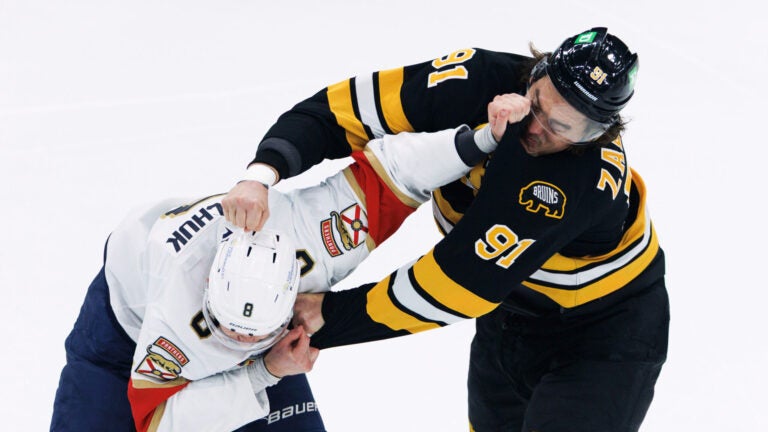
Bruins Battle Panthers in Physical 4-1 Victory Amid Divisional Rivalry
The Bruins answered Florida's physicality with a 4-1 win The Boston Bruins reclaimed some measure of dominance over...
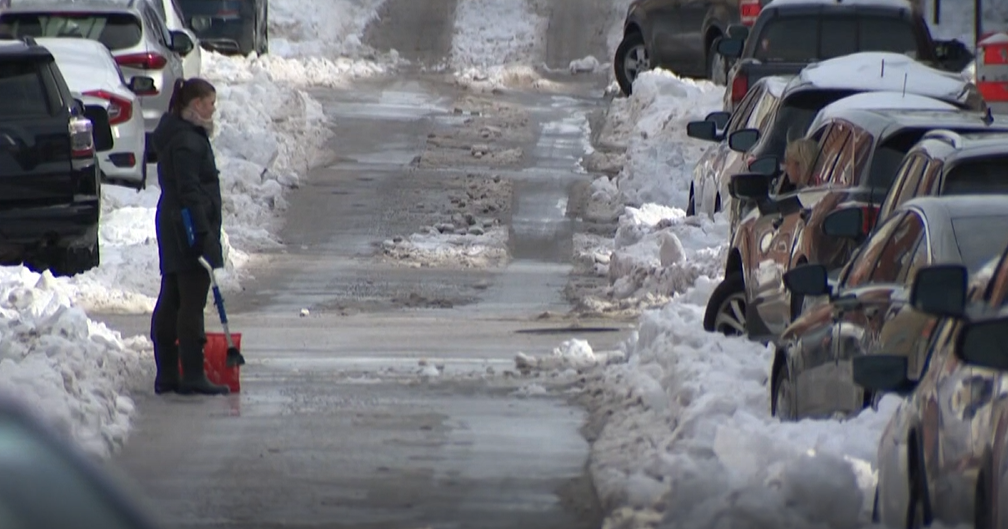
Baltimore Leaders Say City Is Better Prepared for Winter Season
Baltimore city leaders announced Monday that municipal agencies have completed preparations to manage the upcoming winter season, citing...

Battle Grounds Gaming Cafe Relocating From Portland to Vancouver
Battle Grounds Gaming Cafe is relocating from Portland to downtown Vancouver, Washington, with a new 4,119-square-foot space slated...

Topeka Middle School Principal Charged With Child Sex Crimes
Todd W. Haag, the 56-year-old principal of Jardine Middle School, faces multiple felony charges related to alleged child...