Coronary Inflammation Imaging Improves Post-PCI Risk Assessment

Coronary inflammation measured via non-invasive imaging significantly improves long-term cardiovascular risk assessment following percutaneous coronary intervention.
Health, medicine, biotech and the science of living longer and better.
Coronary inflammation measured via non-invasive imaging significantly improves long-term cardiovascular risk assessment following percutaneous coronary intervention.

Improving long-term brain health and cognitive vitality involves a combination of science-backed lifestyle habits, targeted daily practices, and preventive care.
A randomized clinical trial published in Cell Metabolism reveals that adults with obesity and prediabetes who lost about 10 percent of their body weight on a ketogenic diet…

Following a catastrophic glacial collapse along the Nepal-China border on August 26, 2026, the death toll from widespread flash floods and mudslides has climbed to nearly 800.

Breast cancer survivors often face profound physical, emotional, and practical challenges after treatment ends.
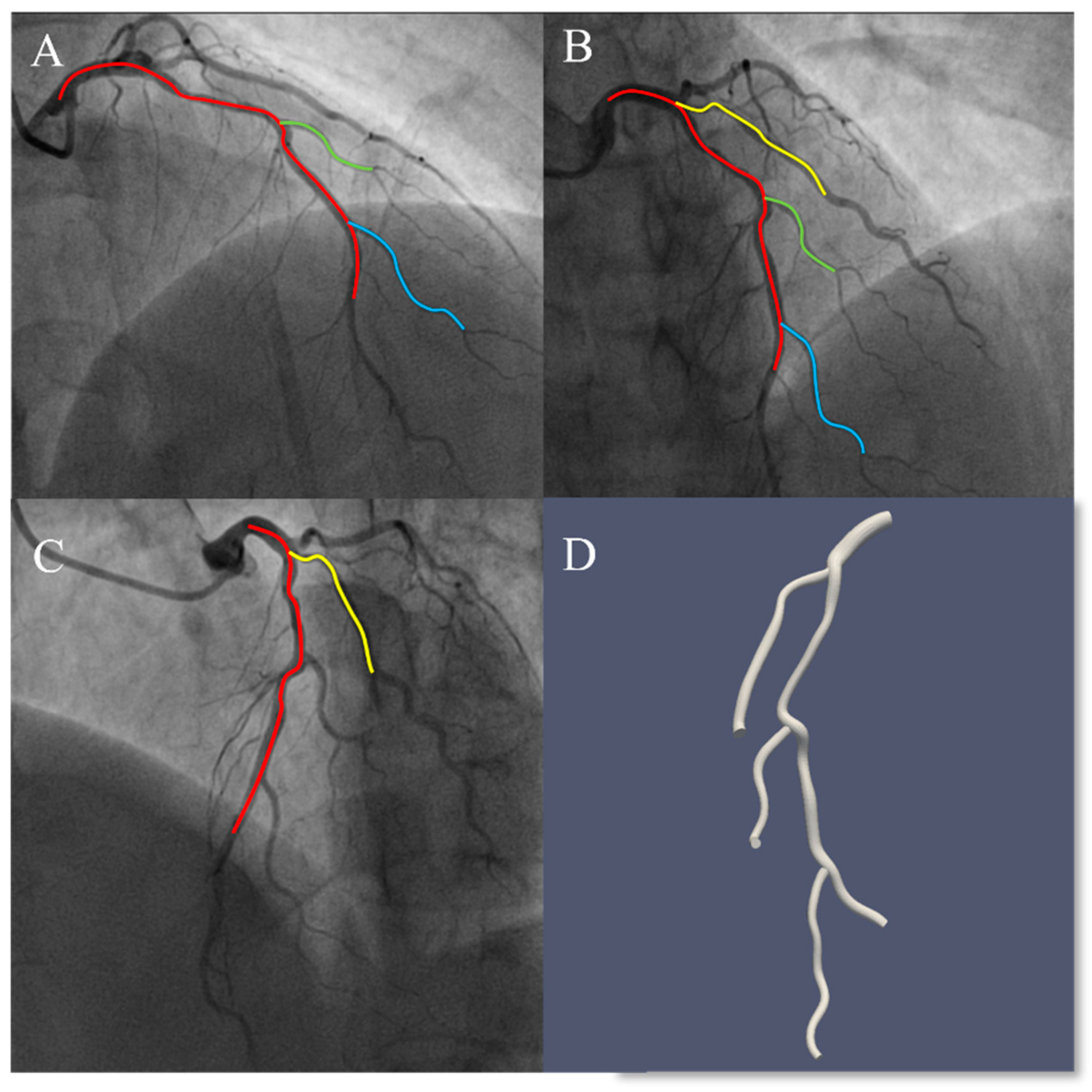
Functional coronary angiography significantly reduced cardiovascular events and improved safety compared with conventional angiography in patients with ST-segment elevation…

Long-term use of melatonin supplements for chronic insomnia is linked to an approximate 90% higher risk of heart failure over five years, according to preliminary research…

Stroke rehabilitation and long-term recovery require personalized, sustained strategies that address physical, cognitive, and emotional challenges.

Congo launched its Ebola vaccination campaign in Kisangani on Thursday to combat the nation’s worst recorded epidemic, which has recorded 5,713 confirmed cases and 2,744 deaths.

An artificial intelligence algorithm called WEST, developed by researchers at Harvard Medical School and Boston Children’s Hospital, predicts rare diseases from electronic health…

Researchers have linked the popular sugar substitute xylitol to a heightened risk of major cardiovascular events, including heart attacks and strokes, following a series of…
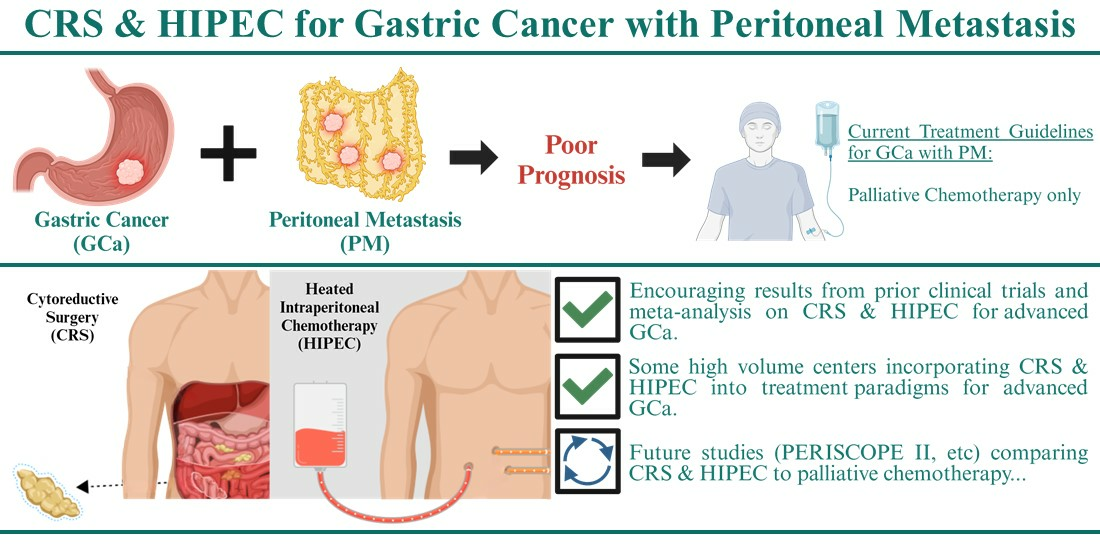
Gastric cancer remains a leading cause of cancer-related mortality worldwide, with peritoneal dissemination representing one of the most clinically consequential and…
We use cookies to run this site, measure traffic and — with your consent — to personalize ads. See our Cookie Policy.