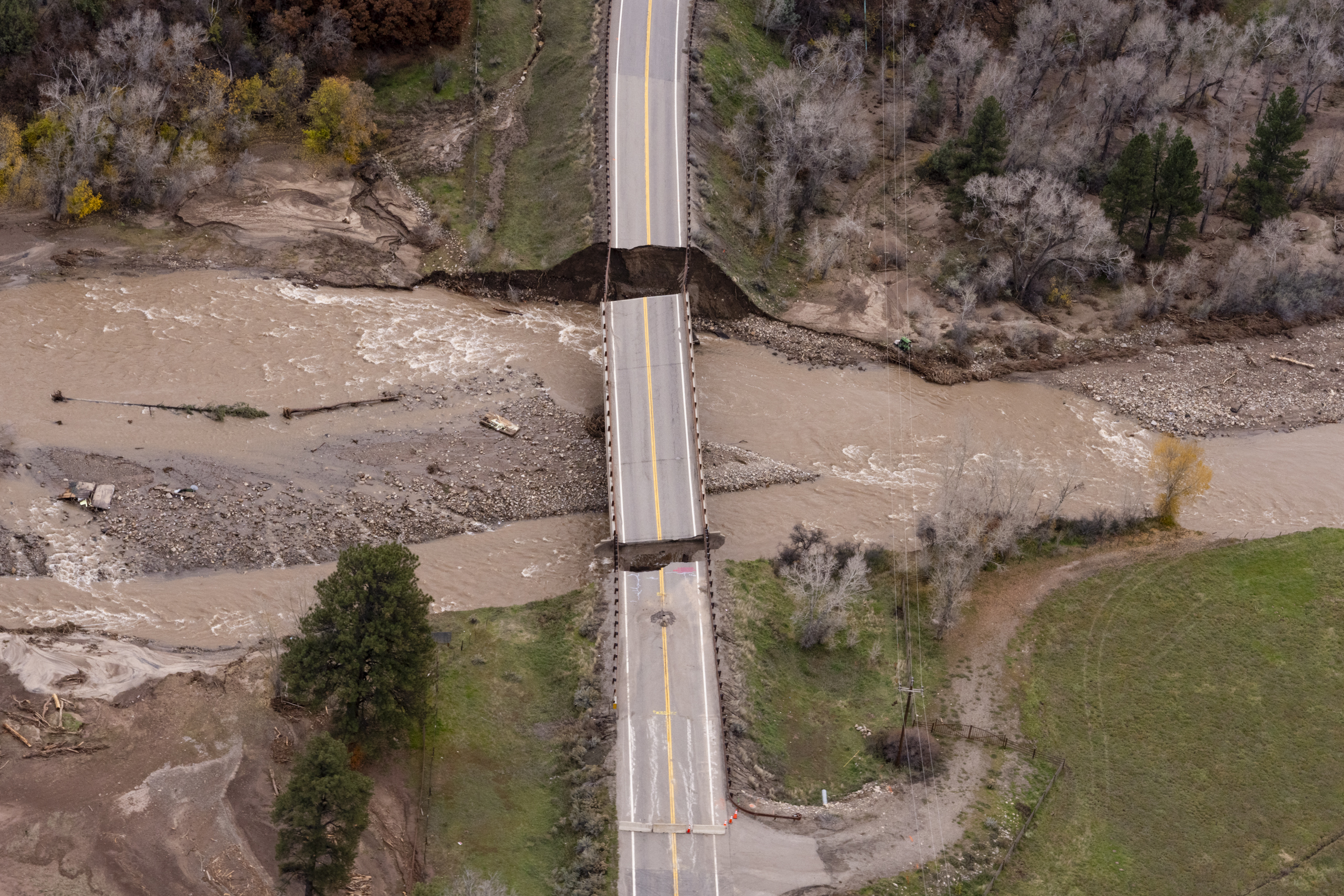
Wolf Creek Pass, a vital artery for southwestern Colorado, could see limited traffic return by this weekend.
Transportation crews have been working around the clock to clear catastrophic flood damage on U.S. 160, a route that typically carries between 2,700 and 3,400 vehicles daily.
The Colorado Department of Transportation (CDOT) has been managing a massive recovery effort since the flooding hit. According to regional director Julie Constan, crews have spent the week removing 6 to 8 feet of rock, mud, and debris from the west side of the pass. The scale of the destruction is large; in some areas, guardrails are left “hanging in thin air” as the earth beneath the roadbed simply washed away.
For residents of Pagosa Springs and South Fork, the closure of this mountain pass is more than a minor inconvenience. It severs a primary connection between these mountain communities, forcing travelers into a lengthy detour through New Mexico. While the reopening this weekend will not restore normal traffic flow, it represents a necessary first step in reconnecting the region before the harsh winter weather fully sets in.
The financial toll of these back-to-back storms is mounting rapidly. CDOT executive director Shoshana Lew noted that the state initially requested $65 million in federal assistance, but that figure is expected to climb. “It will be sort of in the order of magnitude of 100 million,” Lew stated, emphasizing that infrastructure built 50 to 60 years ago is increasingly struggling to withstand the intensity of modern weather events.
Replacing the Damaged Piedra River Bridge
The damage to the Piedra River Bridge illustrates the complexity of the recovery. The existing structure sustained enough damage that it must be demolished and replaced. Crews are currently preparing an embankment to support a temporary bridge, which is expected to open by mid-January with one lane in each direction.
While the permanent bridge project is slated for completion by the end of 2027, officials are currently negotiating with contractors to determine if 24/7 operations can accelerate the timeline for the temporary crossing.
Meanwhile, crews are fighting the elements to keep the work moving. As temperatures plummet, workers are utilizing warming tents and heating blankets to stay on the job. The urgency is driven by the looming winter season, which threatens to halt construction if temporary repairs aren’t secured quickly.
Repairing Road Collapses Along Colorado 151
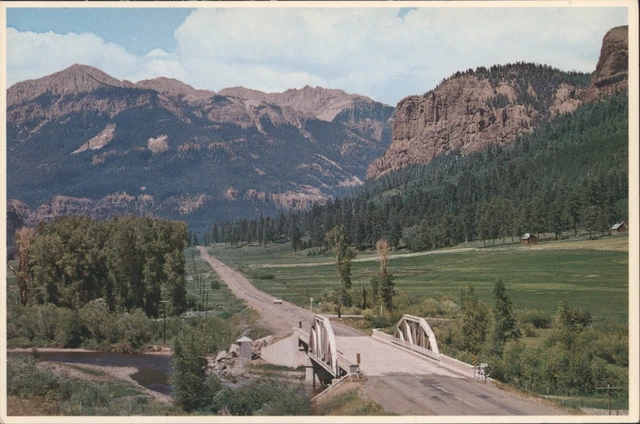
Beyond the pass itself, Colorado 151 remains a critical focus. Sections of the road collapsed following the initial storm, and repair crews are working to stabilize four heavily damaged areas along a 3-mile stretch. The goal is to restore limited access by Thanksgiving.
The current situation shows how much the region relies on these few mountain corridors. The necessary detour currently adds roughly 45 minutes to the standard commute between Durango and Pagosa Springs.
While this is significantly better than the 3.5-hour alternative through New Mexico, it remains a strain on local businesses and residents who rely on the pass for daily commerce and essential services. Travelers are encouraged to monitor cotrip.org for the most current information on road conditions and restrictions.
More on Wolf Creek Pass
Related reading

Gov. Healey Appoints Aladdine Joroff as Massachusetts’ New Climate Chief
Governor Maura Healey has appointed Aladdine Joroff to serve as the new climate chief for the Commonwealth of...

Roux Girl Says Blue Crab Is Essential for Maryland Crab Dip
In a culinary feature for Roux Girl, Tini Younger argues that the secret to an authentic Maryland crab...

Baton Rouge Veteran Receives Free New Roof via Owens Corning Project
U.S. Army veteran Amy White received a new roof for her home on Tuesday morning through a collaborative...

Boeing to Cut Commercial Airplane Workforce by 5%, Wichita Employees Exempt From Layoffs
Boeing to cut 5% of commercial workforce Boeing is preparing to reduce its commercial airplane workforce by approximately...