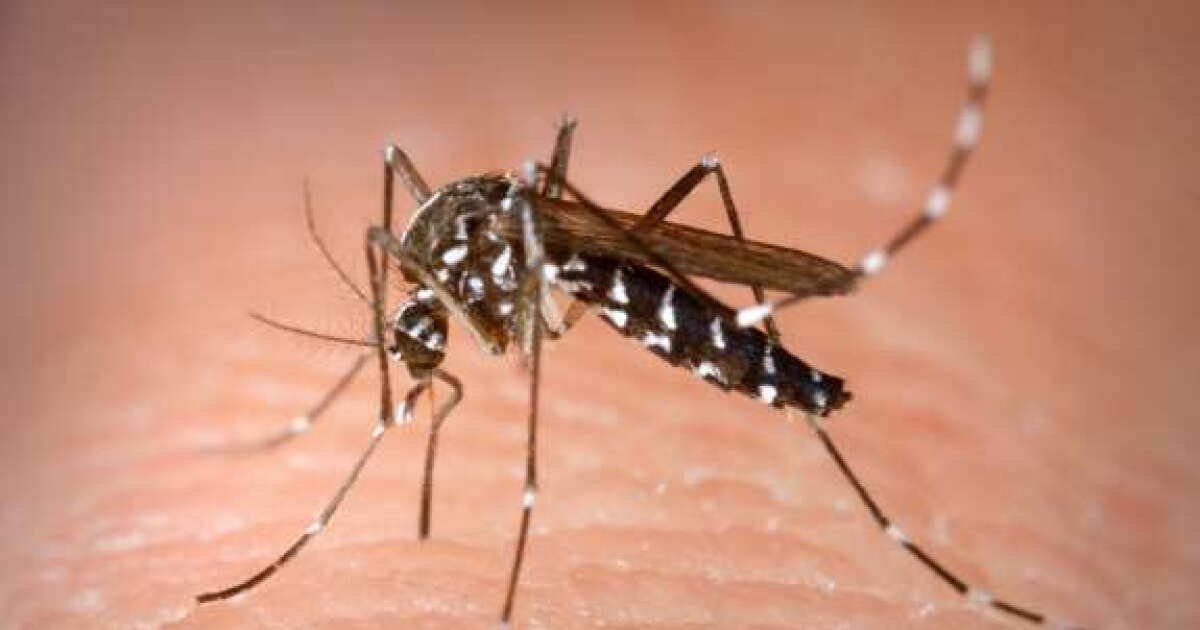
Heavy rain across Central Florida last week has expanded mosquito breeding grounds as the state faces a record dengue outbreak, Central Florida Public Media reported.
Florida now has more locally acquired dengue cases than travel-related ones for the first time in state history, with 669 local infections compared to 476 travel-associated cases, according to Florida Department of Health data. The majority are concentrated in Hillsborough County with 455 cases and Pinellas County with 126.
Orange County has confirmed 10 locally acquired cases — the most ever recorded there — all in the Apopka and Pine Hills communities. The case total jumped by 100 patients statewide just before the heavy rain event that dropped 12 inches on east Orange County between Nov. 17 and Nov. 20, according to the National Weather Service. Apopka received slightly more than 5 inches.
“We want you to continue to be thinking about mosquito prevention and preventing mosquito bites, because without the public’s help… we’re going to be hard pressed to control further transmission of dengue,” said Steve Harrison, director of Orange County Mosquito Control.
Harrison warned that holiday travel from Apopka, currently a dengue hot spot, to other parts of the county could spread the virus. “One concern we have is people traveling from Apopka, where dengue is kind of a hot spot right now, and you’re now traveling over to family, on the east side of the county, and you could potentially have an increased risk of dengue transmission in those scenarios,” he said.
Mosquito control teams are responding to service calls and removing potential breeding containers such as flower pots.
Aedes aegypti mosquitoes need minimal water to breed. “We’ve found them in milk jug caps,” Harrison said. Potted plant trays, animal watering dishes, children’s toys and gutter extensions are also common breeding sites.
County data shows November mosquito trap counts are four to six times higher than last year. The average rainfall for November so far is 6.59 inches, compared to 0.07 inches at this time last year.
Harrison attributed the outbreak partly to this year’s El Niño pattern. An extremely dry early spring and first half of summer allowed Aedes aegypti to stockpile eggs in all these containers.
“And so then when we got the subsequent rains in the latter half of the summer, that gave us a large population of Aedes aegypti,” he said.
Dengue spreads when an Aedes aegypti mosquito bites an infected person and then bites another. Many infections are asymptomatic but can still transmit the virus. Symptomatic cases can cause body aches, bone pain, eye pain, nausea and vomiting, earning the nickname “breakbone fever.”
Severe cases can be lethal; Florida reported one fatal case this year involving an 80-year-old Tampa woman.
“Tip, toss, and cover any containers in the yard,” Harrison said. “Eliminating any sources that can hold water up to five days is the best way to help.” Orange County residents can request mosquito control services by calling 3-1-1.
- Where to Spend New Year’s Eve 2026 in Mississippi: 5 Destinations for Blues, Dining and Downtown Countdowns
- Paige Carter Outlines 20-Year Regional Growth Plan Ahead of 2027 Partnership Role
- Credit Card Debt Hits Record $1.29 Trillion but Trails 2008 After Inflation (daybreakwire.com)
- NATO Vows Space Defense Following Reports of Russian Nuclear Satellite (newsarchyuk.com)

Where to Spend New Year’s Eve 2026 in Mississippi: 5 Destinations for Blues, Dining and Downtown Countdowns
Mississippi offers five distinct New Year's Eve destinations for December 31, 2026, ranging from a Delta blues getaway...

Paige Carter Outlines 20-Year Regional Growth Plan Ahead of 2027 Partnership Role
Paige Carter, incoming president and CEO of the Greater Baton Rouge Economic Partnership, outlined a 20-year regional growth...

A cooling failure cost Pierre Gasly a shot at victory in the Las Vegas Grand Prix
A cooling failure cost Pierre Gasly a shot at victory in the Las Vegas Grand Prix, dropping the...
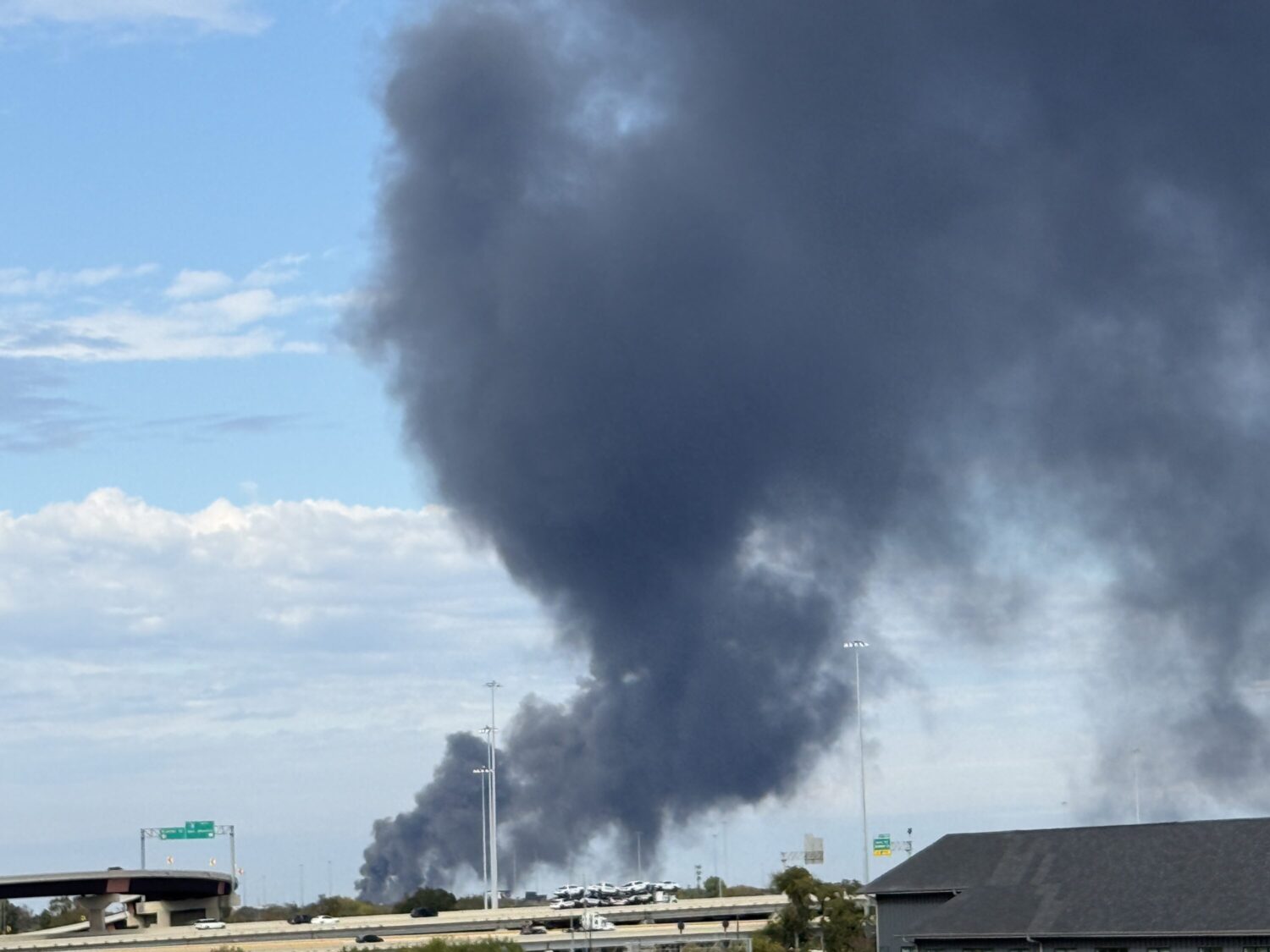
Tanker Fire Shuts Eastex Freeway at 610 Loop, Smoke Drifts Across Houston
Heavy black smoke from a burning tanker truck drifted south and southeast across Houston on Tuesday after a...