The Chicago Park District board will vote in December on a $654.8 million budget proposal for 2027, WTTW News reported.
General Superintendent and CEO Carlos Ramirez-Rosa said the plan closes a $36 million deficit without layoffs or service cuts. The district manages nearly 9,000 acres, 600 parks and programming for more than 1 million residents, with most revenue coming from property taxes capped by state law.
“We entered this budget season facing a $36 million deficit. Most of our funding comes from property taxes. However, we are capped in the amount that we can raise property taxes. In addition to that, we’ve seen an increase in everything — the cost of doing business, materials, supplies,” Ramirez-Rosa told WTTW News.
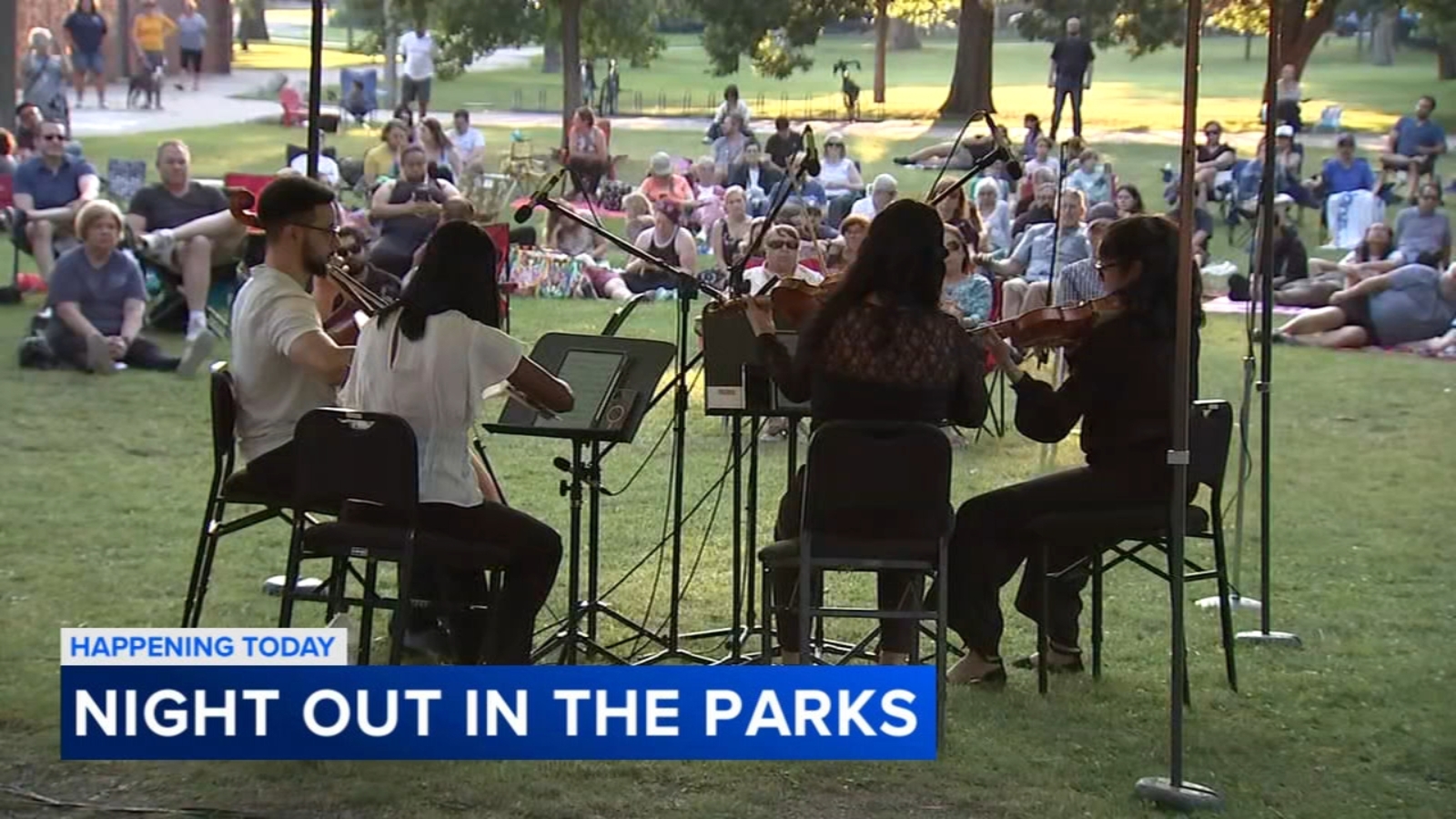
The budget expands arts and culture programming, including the largest investment in the Night Out in the Parks series. Ramirez-Rosa said youth and teenage participation has risen alongside program offerings.
“And so our 2027 budget hopes to continue supporting that trend. We are investing in more programming for teens, particularly as it relates to arts and culture. … Chicago, we have a wonderful history of arts and culture in the parks. … This year, 2027 will mark our largest investment in our Night Out in the Parks series,” he said.
A new Department of Employee Mental Health Support is also funded. Ramirez-Rosa said a study with Lurie Children’s Hospital found park employees experience trauma levels comparable to first responders.
“Early on in my tenure, we (did a study) with Lurie Children’s Hospital, and we found that Park District employees are dealing with levels of trauma the same as first responders, because they are dealing with so many things in their parks … and so we created a crisis response team,” he said.
The district’s contract with SEIU Local 73 expires mid-2027. Ramirez-Rosa’s own contract runs through 2029.
Soldier Field revenue, which Ramirez-Rosa said generates tens of millions of dollars for neighborhood parks, remains uncertain as the Chicago Bears explore a move to Arlington Heights or Hammond, Indiana.
“The stadium generates tens of millions of dollars, and that money goes towards supporting park services and park programming in every single neighborhood in Chicago. So the Chicago Park District needs that stadium revenue, and the city of Chicago needs a major stadium to drive the local tourism company,” he said.
“We believe the Bears belong in Chicago, we are hopeful we can figure out a way to accomplish that. But if they leave, we know that Soldier Field can remain a viable stadium. … If the Bears go to Arlington Heights, or if they go to Hammond, Indiana, we believe that Soldier Field can remain a viable stadium that hosts Taylor Swift, Beyonce, and continues to generate money that supports parks across the city,” Ramirez-Rosa said.
Related reading

Search Underway for 6 Missing After Cessna Vanishes Off Mississippi Coast
A single-engine Cessna 210 descending at 10,000 feet per minute vanished from radar Tuesday afternoon off the Mississippi...

Colorado Appraisers Must Complete 28-Hour CE, USPAP, Bias Courses to Renew
Colorado real estate appraisers must complete 28 hours of continuing education every two years, including a 7-hour National...

Ohio Senate Leaders Plan to Advance Gender-Expression Restriction HB 249
Ohio Senate leaders plan to advance House Bill 249 in a lame-duck session, reviving a gender-expression restriction the...

New York Governor Kathy Hochul Signs Five-Year Ban on AI Chatbot Toys
Gov. Kathy Hochul signed legislation Tuesday in Harlem establishing a five-year moratorium on the manufacture, distribution and sale...