
A Civil Service Commission ruling vacated a one-day suspension of a Boston police officer, finding the department’s body-camera rule did not clearly establish a violation.
Commissioner Dooley wrote that the overall text of BPD Rule 405 §2.2 does not clearly establish that a violation occurred. The rule enumerates occurrences that must be recorded but separately prescribes when activation must occur for self-initiated calls and gives officers discretion when activation may jeopardize safety.
“The BPD has failed to prove by a preponderance of the evidence that it had just cause to discipline the Appellant,” Dooley wrote.
The officer appealed the Dec. 18, 2025, suspension on April 6, 2026, pursuant to G.L.c. 31, §§41 and 43. The department had adopted a practice under Commissioner Michael Cox that any officer who fails to activate a body-worn camera as set forth in Rule 405 shall receive a minimum one-day suspension.
Dooley found that imposing a predetermined suspension without regard to surrounding circumstances or disciplinary history is inconsistent with fundamental principles of progressive discipline. The commissioner noted the purported policy of mandatory suspension does not appear in BPD rules or regulations, nor has it been collectively bargained.
“Removing senior field supervisors … from the exercise of discretion in determining appropriate discipline for officers under their command undermines their supervisory authority and leadership responsibilities,” Dooley wrote.
“It also risks adversely affecting morale, discipline, and good order within the Department.”
The commission allowed the appeal and vacated the suspension. The officer shall be restored any lost pay and benefits, and his record cleared of the discipline. Massachusetts Lawyers Weekly reported the decision, issued Nov. 12, 2026, in Dowling v. Boston Police Department, Docket No. D-26-082.
Related reading

Carson Opens 50-Year Time Capsule Buried Beneath City Hall Boulder
Carson opened a 50-year-old time capsule at City Hall on Nov. 19, revealing letters and artifacts buried in...
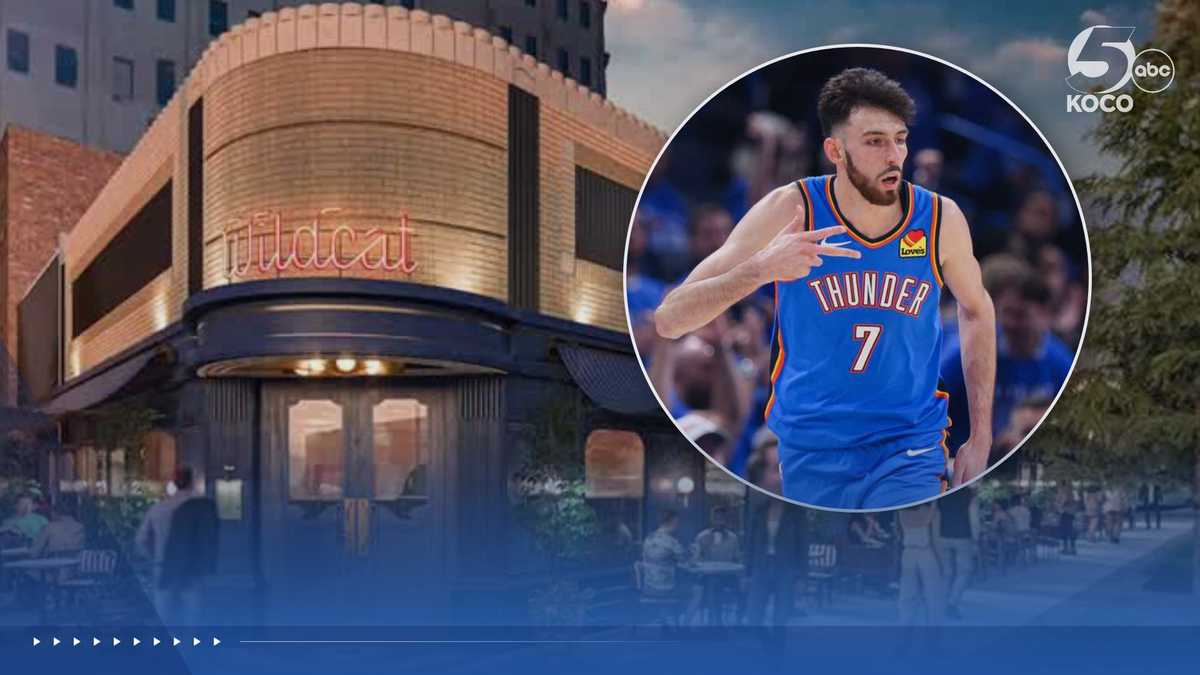
Thunder’s Chet Holmgren Is Investing in Downtown OKC Restaurant Wildcat
Oklahoma City Thunder center Chet Holmgren is investing in a 2,664-square-foot downtown restaurant set to open in late...

Orioles Sign Freddy Peralta to 5-Year, $125M Deal Pending Physical, per Rosenthal
Baltimore added a frontline starter on Monday, signing right-hander Freddy Peralta to a five-year, $125 million contract that...

Rhode Island Returns Home to Face American International
Rhode Island plays American International at 1:00 p.m. Wednesday at the Ryan Center, returning home after a win...