
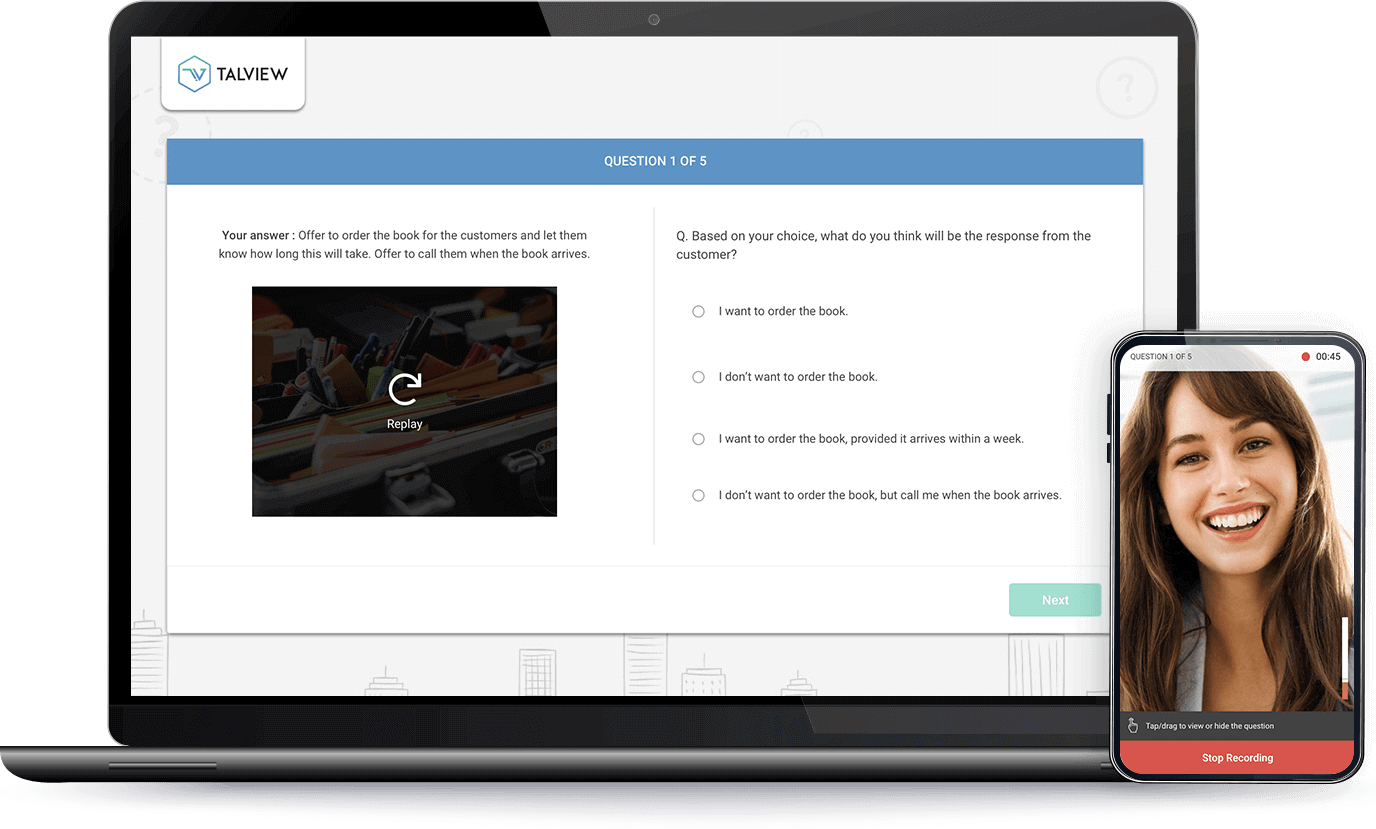
On November 19, 2026, a putative class action filed in the U.S. District Court for the Northern District of California alleged that Talview Inc.’s AI-powered interview and proctoring platform constitutes an illegal lie detector test under Massachusetts law, Legal 500 reported.
Class Action Challenges AI Hiring
Plaintiff Michael Marshall filed the complaint against Talview, asserting violations of Massachusetts General Laws Chapter 149, Section 19B, which governs lie detector tests in employment. According to the court filing, the software uses facial recognition, behavioral monitoring, speech analysis, and psycholinguistic profiling to detect deception and verify truthfulness.
The lawsuit targets tools designed to screen candidates and prevent fraud. While most employment laws regulate transparency and consumer rights, this legal theory could prohibit certain AI functions outright. Many other states maintain similar lie detector statutes.
Massachusetts Lie Detector Statute
The Commonwealth’s law bans employers or their agents from subjecting applicants to any device, mechanism, or test operated to detect deception or verify truthfulness. The statute defines these banned instruments broadly to include polygraphs and other diagnostic mechanisms.
Employers must also include specific notice language in job applications stating that lie detector tests are unlawful as a condition of employment. Violations carry statutory damages of at least $500 per violation, along with injunctive relief, treble damages for lost wages, fines, and potential imprisonment for repeat offenses.
Best Buy Application Details
The complaint states that Marshall applied to Best Buy in April 2025 for a position in Massachusetts. Talview conducted the interview on Best Buy’s behalf using software intended to detect deception and verify responses.
Talview’s platform offers AI-driven interviews, live interviewer sessions, and one-way recorded video answers. The system also provides proctoring services, featuring AI proctors, live online monitors, and recorded assessment sessions.
Fraud Detection Claims
The lawsuit cites Talview advertising claims of 99.9% fraud detection through continuous monitoring. The system incorporates identity verification via real-time facial recognition to stop deepfake impersonation, alongside primary camera behavior monitoring.
Environment monitoring conducts 360-degree room scans, while device security locks down the assessment browser. Assessment feeds track abnormal navigation patterns, and an AI intelligence layer evaluates risk scoring and cross-session analytics.
Employer Liability Risks
The complaint advances an agency theory holding employers responsible as principals for violations committed by deploying these platforms. Employers using AI proctoring tools for Massachusetts candidates could face civil and criminal liability.
Legal advisers suggest that employers audit AI interview and proctoring tools for deception-detection features. Companies should also review vendor contracts for indemnification and check job applications for required statutory notices.
Keep reading
Illinois Monitors Iowa Lead Azide Detonation; Plume Predicted Away
“We all agree … a controlled, mitigated detonation of the lead azide here in Iowa at our munition...

Jennifer Garner Volunteers at Clay County Food Distribution Ahead of Thanksgiving
“Welcome to Mountaineer Food Bank distribution right here in Clay County, West Virginia, where there is no grocery...

Nebraska Is the Only State That Drafts Election Workers Like Jury Duty
Nebraska is the only state that compels registered voters to serve as election workers under a 1914 law...
Five-Star No. 1 Recruit DJ Jacobs Decommits From Ohio State Two Days Before Michigan Game
Five-star edge rusher David “DJ” Jacobs decommitted from Ohio State on Thursday, two days before the Buckeyes host...