
Sixty driverless cars are already operating across 50 square miles of Denver, and the city council just learned it has almost no legal power to stop them, Denver7 reported.
The revelation landed Wednesday during a briefing to the Transportation and Infrastructure Committee, where officials from the Department of Transportation and Infrastructure and the Denver Police Department laid out the limits of local authority. Under Colorado Senate Bill 17-213, passed in 2017, the regulation of automated driving systems was declared a matter of statewide concern, fully preempting cities from governing any part of autonomous vehicle testing or operations.
“The state rushed autonomous vehicle legislation through and left the city unable to protect public health, safety and welfare,” one council member said during the meeting.
That preemption means Denver cannot issue permits, demand data sharing, or influence the approval process. Waymo’s permit to operate comes from the Colorado Public Utilities Commission, which classified the vehicles as “luxury limousines” because no autonomous vehicle application existed at the time. Under state law, the company simply checked a box certifying its technology was safe; no public official weighed in.
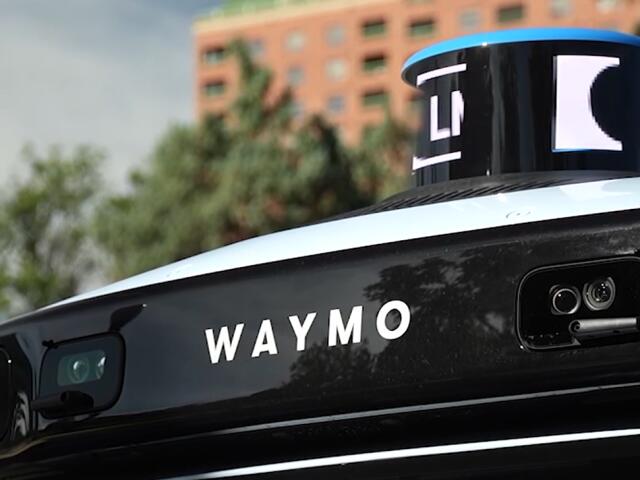
Waymo launched to the public in September and has told the city it plans to expand late this year, aiming for full metro service and approval to serve Denver International Airport. The airport has allowed mapping on its private roads but has not approved operations. The service area also extends slightly into Lakewood. Waymo did not send a representative to Wednesday’s hearing, the committee chair noted.
“Waymo just kind of appeared without notice to council,” the chair said.
The city’s enforcement toolkit is narrow. Autonomous vehicles must follow traffic and parking rules, and police can mail citations from automated cameras to the vehicle owner. The transportation department can enforce parking violations. Since Waymo began operating, Denver police have responded to four crashes involving the vehicles.
All were low-level, caused no injuries, involved only property damage, and Waymo was not at fault in any of them, a police lieutenant told the committee. In three cases, the Waymo was the victim of a hit-and-run.
Police also took two reports of Waymo being the victim of crimes — one harassment, one vandalism. The district attorney declined to prosecute both. One incident involved a person who has stopped in front of and thrown eggs at Waymo vehicles in as many as 30 incidents, the lieutenant said.
Operational hiccups have surfaced. A Waymo vehicle drove into a Denver farmers market after treating a moved road closure sign as the edge of the road; the company has since adjusted its closure timing. Vehicles have also driven into active paving operations, including wet asphalt, according to the transportation official. Denver Police is working to integrate a tool to track low-level incidents that aren’t crimes.
Council members raised concerns about wheelchair access, noting no state law requires accessible autonomous vehicles, and questioned why the cars bear out-of-state license plates. The city official said he would follow up on the plates.
The city has met with the Colorado Department of Transportation but has not discussed the issue with the Public Utilities Commission. State legislative changes are anticipated as early as next year, and the city plans to engage when the session opens in January 2027.
The accountability gap arrives as more companies eye Denver. According to the Colorado State Patrol, Zoox Inc. began test mapping this fall and will begin occasional manual operations in Boulder from mid-November through the winter. Tesla has had conversations with the city. Stack AV operates near the airport and on Peña Boulevard, and Aurora trucking is expected to deploy in 2027.
“I don’t think we’ve caught up with the technology yet,” Ford said.”
Michael Ford
Tewodros Atalay, an organizer with Colorado Independent Drivers United, said Colorado has more than 35,000 rideshare drivers and his group wants a strong regulatory framework or a complete ban. Denver resident Emily Landly said she had a good Waymo experience in San Francisco but thinks regulations need to be tighter and that accountability shouldn’t fall on consumers.
Alaska, Hawaiian Airlines Investigating Website Cyberattack via Optimizely Breach
"We are working with Optimizely to better understand the incident, and we continue to investigate internally," said Alex...

Texans Lean on Brotherhood, Beat Chargers After 3-6 Start Defined by Blown Leads
The Houston Texans have rallied around cornerback Kamari Lassiter and each other through a 3-6 start defined by...

Iowa Senate-elect Josh Turek Proposes New New Deal for Democrats
Iowa Senate-elect Josh Turek wants Democrats to draft their own version of the 1994 "Contract with America" —...

Churchill Downs: Kentucky Derby Week Tickets On Sale Thursday at Noon
Tickets for every Kentucky Derby Week special event at Churchill Downs go on sale Thursday at noon Eastern...