
The Colorado Supreme Court ruled on Monday that trial courts possess the inherent authority to resentence defendants on remaining convictions when a partial reversal on appeal disrupts an original sentencing package.
People, clarifies the procedural roadmap for lower courts facing fragmented sentences after appellate intervention.
The case, identified as 2026 CO 69, No. 24SC802, addresses the “sentencing package” doctrine, which treats multiple convictions as a cohesive whole rather than a series of isolated penalties. When an appellate court reverses one or more counts in a multi-count case, the aggregate sentence is effectively dismantled.
The state’s high court concluded that in such instances, trial judges are not strictly bound to the original terms of the remaining counts if the overall structure of the punishment has been compromised.
Under the newly affirmed standard, trial courts are granted the flexibility to reassess sentences on any remaining convictions, though they are not mandated to do so. If a judge chooses to exercise this authority, the court must convene a formal resentencing hearing to evaluate all relevant sentencing factors anew. The court retains the power to keep the original sentence for any remaining conviction unchanged even after conducting a full review.
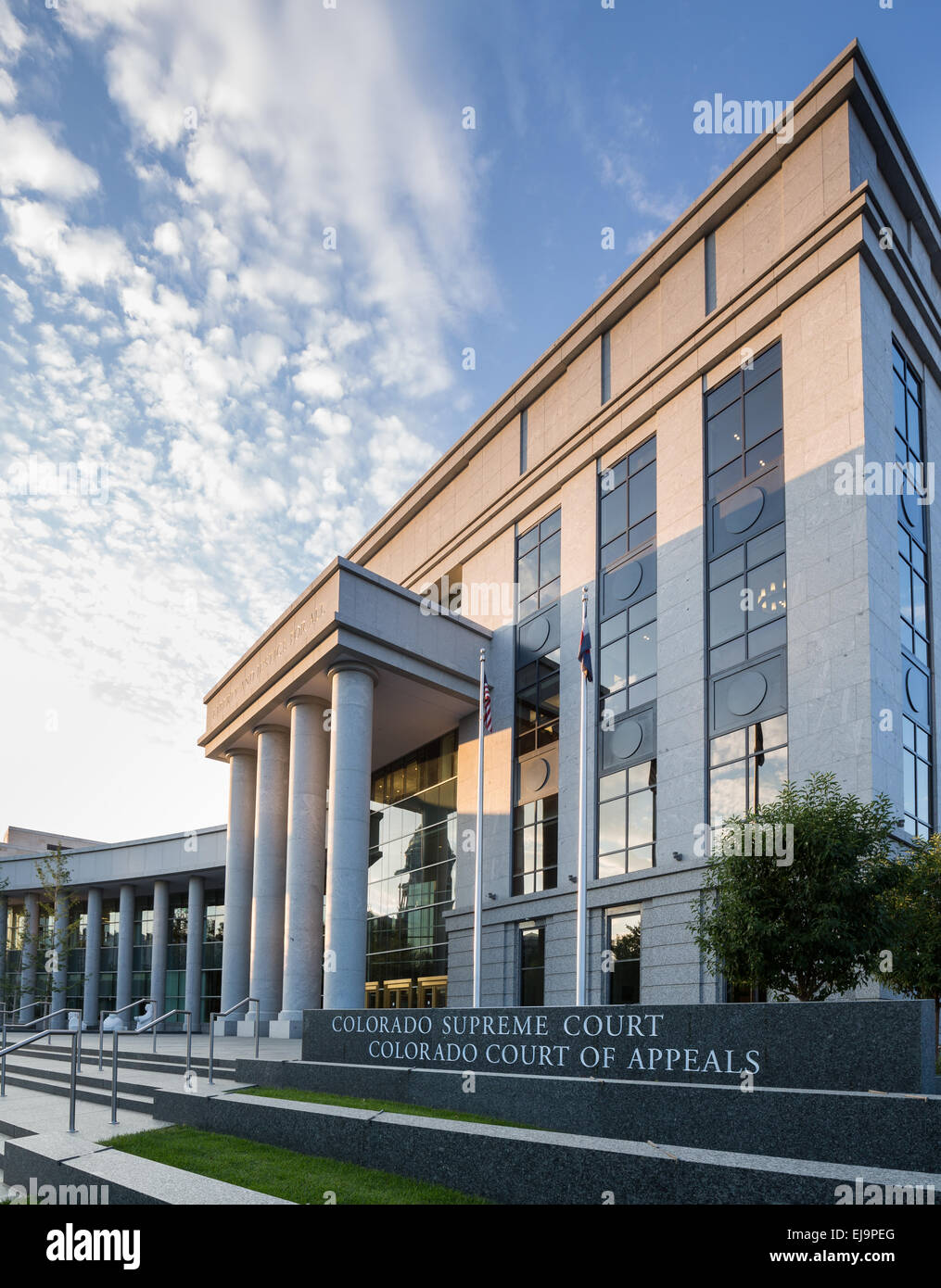
The court’s ruling aligns with the analysis previously provided by the division of the court of appeals. By affirming the judgment, the Supreme Court has provided a clear directive for the trial court to proceed with resentencing consistent with the principles outlined in the opinion. The case has been remanded back to the division with instructions to return the matter to the trial court for further proceedings.
The decision turns on the intersection of the “law of the case” doctrine and the “mandate rule,” which generally requires lower courts to follow the instructions provided by an appellate body.
When remand instructions are silent regarding the mechanics of resentencing, trial courts often face ambiguity about the extent of their authority. This ruling resolves that tension by confirming that the inherent authority to resentence survives unless the appellate court explicitly restricts it.
The ruling changes how legal practitioners structure and challenge sentencing packages. The ruling effectively balances the need for finality in criminal judgments with the necessity of ensuring that sentences remain proportionate and logical after an appellate court has vacated specific counts. Official documents regarding this and other recent rulings are available through the Colorado Supreme Court website.
The matter now returns to the trial level, where the court will determine whether a new hearing is required to address the remaining convictions in light of the partial reversal. The case remains open as the trial court prepares for these further proceedings.
Related reading

Amy Lynn Jones, 50, Known for Her Devotion to Family and Service
Pink was her signature color, and she made sure everyone around her felt the warmth of it. Amy...

Colts Win Over Dolphins as McGowan and Treadwell See Increased Snaps
The Indianapolis Colts secured a narrow 24-22 victory over the Miami Dolphins on Sunday at Lucas Oil Stadium,...

Dr. Chris Owens Discusses Strengthening Idaho Rural Healthcare
Idaho State University leaders discussed strategies for strengthening healthcare access across rural communities on a recent episode of...

Chicago Cubs Projected to Sign Freddy Peralta to $130 Million Deal
The Chicago Cubs are projected to sign starting pitcher Freddy Peralta to a six-year, $130 million contract this...