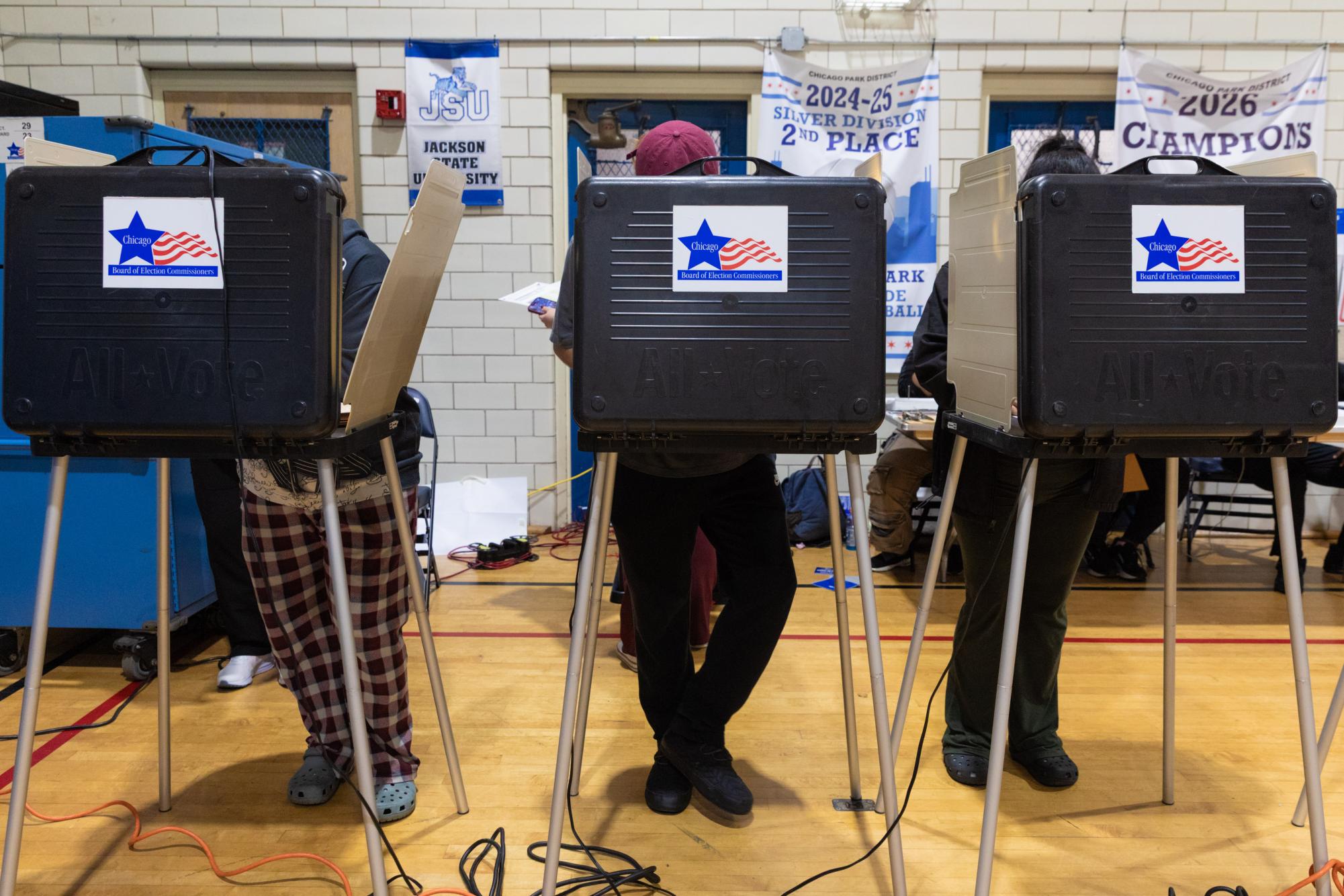
In a column for The Columbia Chronicle, an out-of-state student at Columbia argues that strict signature verification rules and delayed notifications threaten voter disenfranchisement after discovering her own ballot was rejected.
Nearly two weeks after the 2026 midterm elections, the outcome of Alaska’s U.S. Senate race remains undecided, while Mississippi’s Senate race was called on Wednesday, Nov. 11, following the tabulation of provisional ballots. These close races highlight the decisive weight of every single ballot, a reality that hit home for the author when she discovered her vote had been rejected because election officials flagged her signature as invalid.
The author is an Asian American immigrant who was adopted from China in 2007 at 13 months old. Because Asian immigrants were barred from obtaining citizenship until 1952, participating in every election cycle carries profound personal significance. Having registered to vote in Arizona, a battleground state where elections are frequently decided by less than a percentage point, she has relied exclusively on mail-in voting since the 2024 presidential election.

State deadlines for curing a rejected ballot vary widely across the country. In Arizona, voters are given up to five days after a federal election to confirm their signatures, while other elections allow a three-day window. In contrast, Illinois requires voters to appear before the election authority on or before Nov. 17 to prove their ballot’s validity before a three-judge panel makes a final determination.
Upon discovering the rejection status online, the author initially prepared to utilize Illinois’s same-day registration rules to cast a new ballot locally. However, a last-minute check with Columbia Votes, the college’s nonpartisan voter registration organization, revealed that she could still remotely confirm her Arizona vote.

While the remote confirmation saved her vote, the episode exposed a systemic vulnerability in how election offices communicate with the electorate. The official notification alerting her to the signature discrepancy was filtered by spam and sent to voicemail amid a flood of political text messages and spam calls.
The author argues that efforts to restrict access to the ballot, understaffed early voting centers that generate long waits, and a shortage of language access resources make it harder for people to exercise their right to vote. With election margins shrinking nationwide, she contends that no vote should disappear simply because an administrative notification went unseen.
Related reading

Charleston Defeats Hofstra as Matt Lenert Scores Twice
Hofstra fell to Charleston as Matt Lenert netted a pair and Charlie Duske preserved the shutout in goal....

WPI Women’s Cross Country Finishes 17th at NCAA Northeast Regional
Freshman Callan Stabler led the WPI women's cross country team at the NCAA Division III Northeast Regional Championship...

President Christofferson urges following Christ’s light at Luz de las Naciones
The Church of Jesus Christ of Latter-day Saints hosts the 24th annual "Luz de las Naciones" celebration, bringing...

TFW2005 Maintenance Error Wipes User Passwords Requiring Resets
Users of the long-standing fan community TFW2005 - The 2005 Boards must now reset their account passwords following...