Connecticut Children’s and Boston Children’s Hospital agree on the root causes of cheerleading injuries — muscle imbalance and year-round training — but they prescribe different first lines of defense.
Competitive cheerleaders often train without an off-season, denying growing bodies recovery time.
Boston Children’s Hospital frames the same risks around load management. Do not attempt difficult stunts until strength and skill match the demand. Take at least one day off each week. Stop when pain persists for days. The hospital also cites American Academy of Pediatrics sleep guidelines — nine to 12 hours for children 6 to 12, eight to 10 hours for adolescents 13 to 18 — noting that fatigued athletes are more accident-prone.
Beginners start with body-weight squats, lunges, planks, dead bugs and glute bridges for the hips, legs and core. Wall push-ups and resistance-band work target the shoulders and upper back, paired with gentle stretches for mobility.
As athletes advance, weights may be added under the supervision of a coach or sports physical therapist to build additional strength safely.
Boston Children’s Hospital adds equipment and environment checks: inspect mats and flooring, space stunts and tumbling runs to avoid collisions, keep a stocked first-aid kit on site, identify medical staff at competitions, and use spotters, spotting blocks or a safety harness when learning new skills. The hospital also recommends properly fitted cheer sneakers and, when directed by a provider, wrist guards or braces.
Both institutions agree that hydration, balanced nutrition and keeping the sport fun are protective factors. Boston Children’s operates a dedicated Cheerleading Medicine Clinic within its Sports Medicine Division, staffed by physicians, physical therapists, athletic trainers, sports psychologists and dietitians.
Keep reading

Huntsville Botanical Garden Opens 31st Galaxy of Lights With New Zones, Extended Walking Route
The Huntsville Botanical Garden has opened the 31st season of its Galaxy of Lights holiday display, adding two...
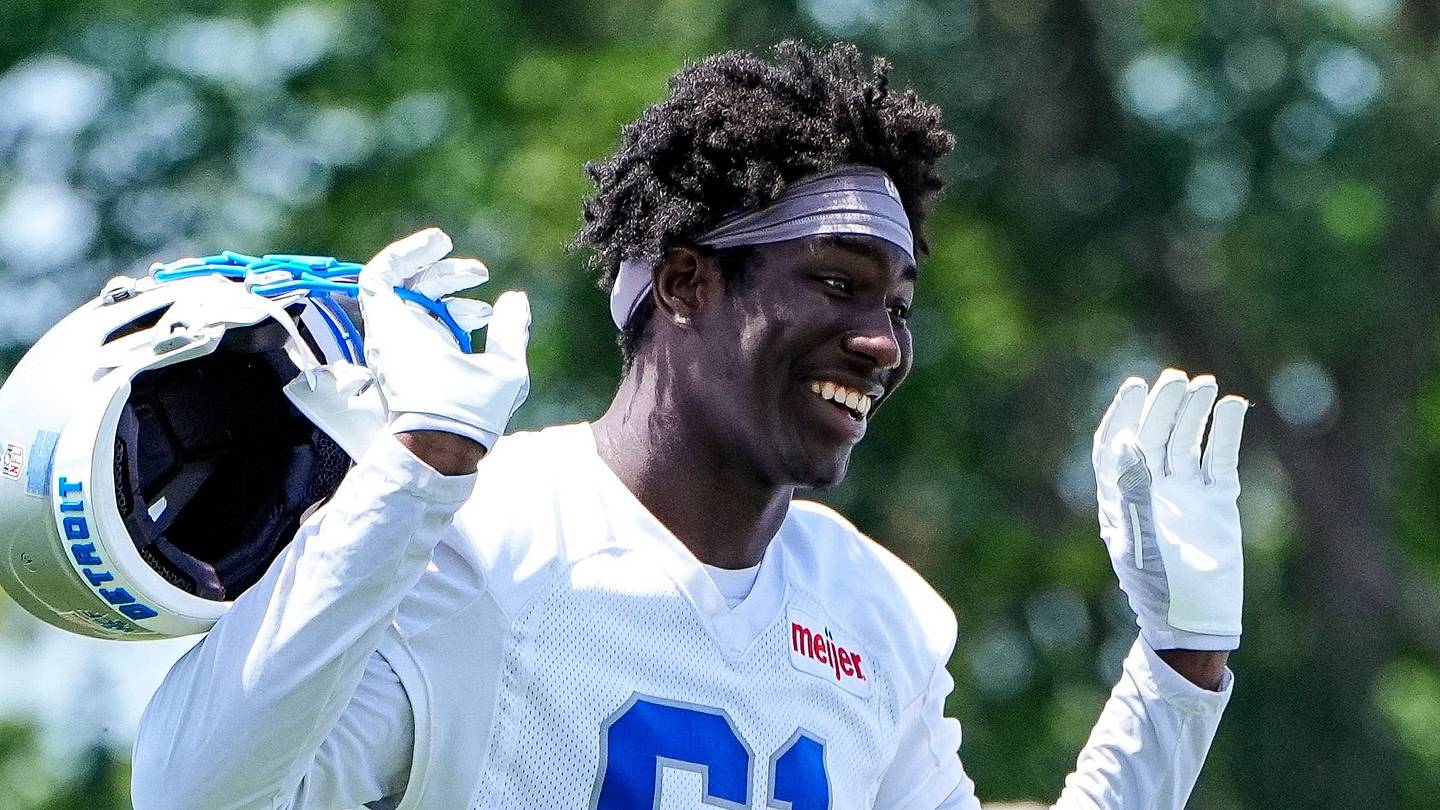
Lions Place Skyler Gill-Howard on IR, Elevate Anthony Lucas for Thanksgiving Game vs. Bears
The Detroit Lions placed defensive tackle Skyler Gill-Howard on injured reserve Wednesday, ending his season after a knee...
NWS Issues Flood Warning for Sacramento, Delta Counties Until 6 p.m. Thursday
An updated flood warning from the National Weather Service in Sacramento takes effect until 6 p.m. Thursday for...
Abdramane Siby Scores 17 to Lead Syracuse Over Albany 74-53
Abdramane Siby scored 17 points on a perfect 8-of-8 shooting night to lead Syracuse to a 74-53 home...