
Connecticut election regulators opened four investigations into double-voting allegations last week, including a Madison woman who said she was testing the system, NBC Connecticut reported.
The State Election Enforcement Commission authorized 30 investigations total during its Nov. 18 meeting, covering campaign finance, absentee ballot handling and polling-place opening times alongside the four double-voting referrals.
One case involves a Durham woman accused of trying to cast ballots for herself and her son. Another centers on a New Milford voter recorded as casting two ballots in a budget referendum. An East Haven man was also recorded as voting twice.
Terri LaChance of Madison acknowledged on the “Say What with NBC Connecticut” podcast that she returned to her polling place after already voting. “I was trying to test, like, the system; if there’s things in place. Because everybody keeps saying there’s glitches in the system,” she said. LaChance said she stopped before signing any documents or taking a second ballot. “If I had signed my name, if I had taken the ballot, if I had tried to actually put it in the machine again — like I knew those things were wrong,” she said.
A referral from the Secretary of the State’s office states poll workers said LaChance acknowledged she had already voted when questioned, and that no one gave her a second ballot.
The commission also approved a consent order for Christopher Bishop, accused of attempting to vote a second time in West Haven last year.
The order includes a civil penalty; the amount was not disclosed because Bishop has until Nov. 28 to sign it. “I think we’ve seen in this packet the testing systems kind of philosophy and that needs to be into quieter place for people,” SEEC Chairman Michael Ajello said.
Commission staff now have 90 days to determine whether each case warrants referral to prosecutors for criminal investigation. Fraudulent voting, including casting more than one ballot, is a Class D felony punishable by up to five years in prison and a $5,000 fine.
Rep. Matt Blumenthal (D-Stamford), co-chairman of the Government Administration and Elections Committee, said the referrals prove the system works.
“That feedback loop needs to be short and assured so that everyone understands that if you attempt this type of behavior in Connecticut, you will face consequences,” he said.
Rep. Gale Mastrofrancesco (R-Wolcott) called for stricter measures, including mandatory minimum penalties and a photo ID requirement.
She also said the legislature should examine whether more training and oversight of local election workers is needed. “Elections are won and lost by, sometimes, a very, very small margin,” Mastrofrancesco said. “So we cannot allow this to happen, there has to be some checks and balances.”
Keep reading

Former WV Delegate Nancy Peoples Guthrie Dies at 74
Former West Virginia Delegate Nancy Peoples Guthrie died Saturday, Nov. 21, 2026, in Port St. Lucie, Fla., from...

Vermont Public’s 2026 Gift Guide Ranges $5 Magnet to $350 Necklace, Highlights Vermont-Made Goods
Vermont Public's 2026 local gift guide ranges from a $5 magnet honoring the shuttered 242 Main venue to...
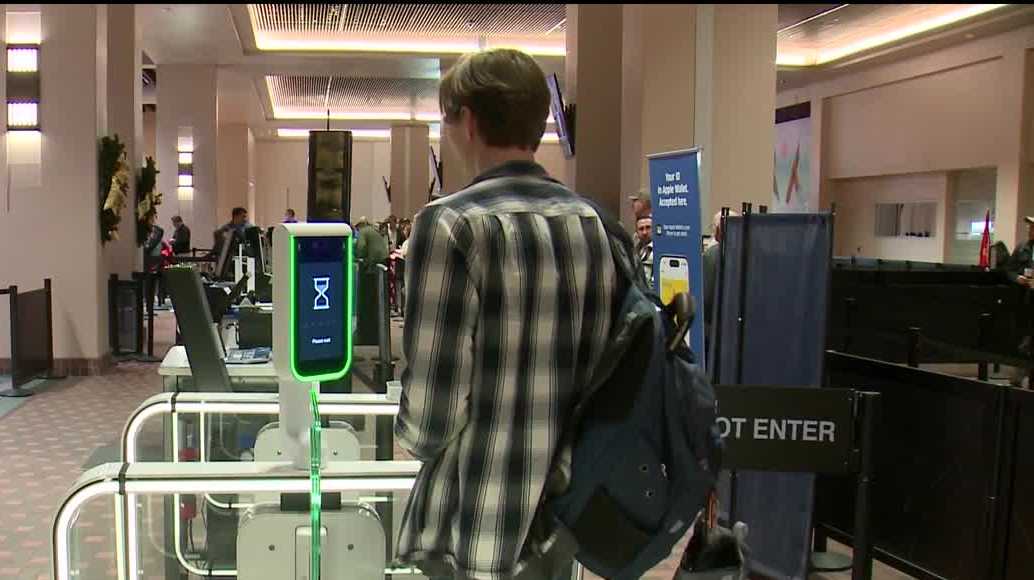
Albuquerque Sunport Anticipates Over 55,000 Travelers During Holiday Week – KOAT
Transportation Security Administration officials expect more than 55,000 passengers to pass through Albuquerque International Sunport during Thanksgiving week,...

No. 5 Texas Tech Faces No. 25 Louisville in Players Era 16 Opener
No. 5 Texas Tech opens the Players Era 16 against No. 25 Louisville at 7 p.m. The Red...