Cornell researchers have engineered an ancient viral protein to produce extracellular vesicles that carry cancer antigens across long distances, activating T cells and building lasting immune memory in mice, according to a study published Nov. 5 in Nature Nanotechnology.
“Arc comes from an ancient genetic element related to retroviruses,” said Wenchao Gu, a senior research associate in the lab of Shaoyi Jiang and the study’s lead author. “Over time, our cells repurposed that machinery for their own use.”
The activity-regulated cytoskeleton-associated protein (Arc), known for its role in learning and memory, assembles into virus-like shells that package RNA and move between cells via membrane-bound vesicles. Jiang’s team previously engineered this system to deliver mRNA across the blood-brain barrier, using dendritic cells — white blood cells that boost immune response — as vesicle donors rather than neurons.
“While we were doing that, we noticed that these dendritic cells already make Arc, and that its expression responds quickly to stimulation,” Gu said. “When we exposed them to antigens, inflammatory signals or lipid-based delivery materials, Arc RNA levels rose within half an hour.”

The researchers then engineered the cells to overexpress Arc and supplied a stabilizing RNA element to boost production of virus-like vesicles. In mice lacking Arc, vesicles failed to trigger antigen-specific T-cell responses. “The overexpression and knockout experiments showed us how important Arc is for this vesicle-based immune response,” Gu said. “The engineered vesicles carried antigen signals to distant immune cells and helped build lasting T-cell memory in mice.”
The team used super-resolution imaging and vesicle flow cytometry to isolate and characterize the extracellular vesicles, confirming that Arc-related vesicles carry the immune functions. Co-authors include Wenchao Gu, Ruoxin Li, and Hayleigh Goodrich, according to the paper published in Nature Nanotechnology.
“People doing lipid nanoparticles focus more on the chemistry and material aspects of drug delivery,” said Jiang, who holds the Robert Langer Family and Friends Professorship in the Cornell Duffield College of Engineering and is the paper’s senior author.
“The biology people pay more attention to the properties of extracellular vesicles. But we want to use extracellular vesicles to do what LNPs cannot do. That’s why we discovered this. And now we’re thinking about how to learn from this biological carrier and apply the principles to the design of LNPs.”
Gu said the researchers overexpressed Arc in dendritic cells and added a stabilizing RNA element to increase production of virus‑like vesicles, aiming to strengthen antigen presentation and extend its range to distant immune cells. They asked whether these vesicles could present antigens more effectively and help T cells attack tumors while building longer‑lasting immune memory.
Gu said the overexpression and knockout experiments demonstrated how critical Arc is for vesicle‑mediated immune communication.
Jiang said the multidisciplinary approach was key to bridging the chemistry-focused lipid nanoparticle field with the biology-focused extracellular vesicle field.
Jiang added that the team now plans to learn from this biological carrier and apply its design principles to improve synthetic lipid nanoparticles.
Funding for the work came from Cornell’s Nanoscale Science and Microsystems Engineering (NEXT Nano) initiative, Duffield Engineering’s Support for Promising Research Opportunities and Unconventional Teams (SPROUT) Award, and the National Institutes of Health.
Related reading


Karthigai Deepam Lit at Temple, Not Disputed Pillar, Despite Supreme Court Order
The ceremonial lamp for Karthigai Deepam was lit at the Arulmigu Uchipillayar Temple on Thiruparankundram hill Tuesday, not...

Tampa General COO Cites GLP-1 Use, Evidence Gaps at Oncology Summit
About 12% of U.S. adults now take a GLP-1 drug, and oncology leaders say patients are arriving for...
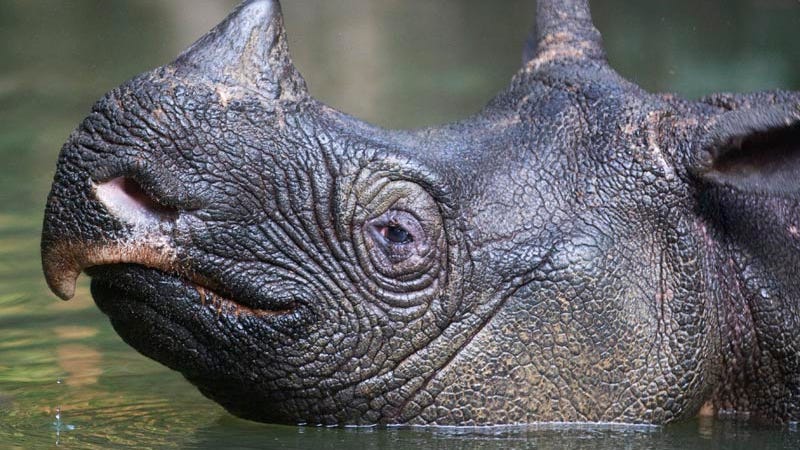
Indonesia Won’t Move Javan Rhinos Until Studies Complete
Indonesia's government says it will not move Javan rhinos from Ujung Kulon National Park until scientific studies are...