
Boston’s third-highest-in-the-nation rents just ran into a 1950s rulebook, and on Wednesday the City Council voted 8-4 to tear a page out of it, eliminating mandatory parking minimums for new residential construction citywide.
The measure, sponsored by Councilors Sharon Durkan and Henry Santana, now heads to the Boston Zoning Commission for final approval. It exempts East Boston, Charlestown, and part of Mattapan until 2029 — neighborhoods that recently finished their own zoning overhauls — after Councilor Gabriela Coletta Zapata argued those communities had already done the heavy lifting “street by street,” The Boston Globe reported.
“This is not a silver bullet, but it’s a common-sense reform within our control. Our residents have entrusted us to act, and we cannot afford to move at a neighborhood-by-neighborhood pace while rents continue to climb.”
Durkan told the Globe. She called the vote “one of the most significant zoning reforms to ever come out of the Boston City Council in history.”
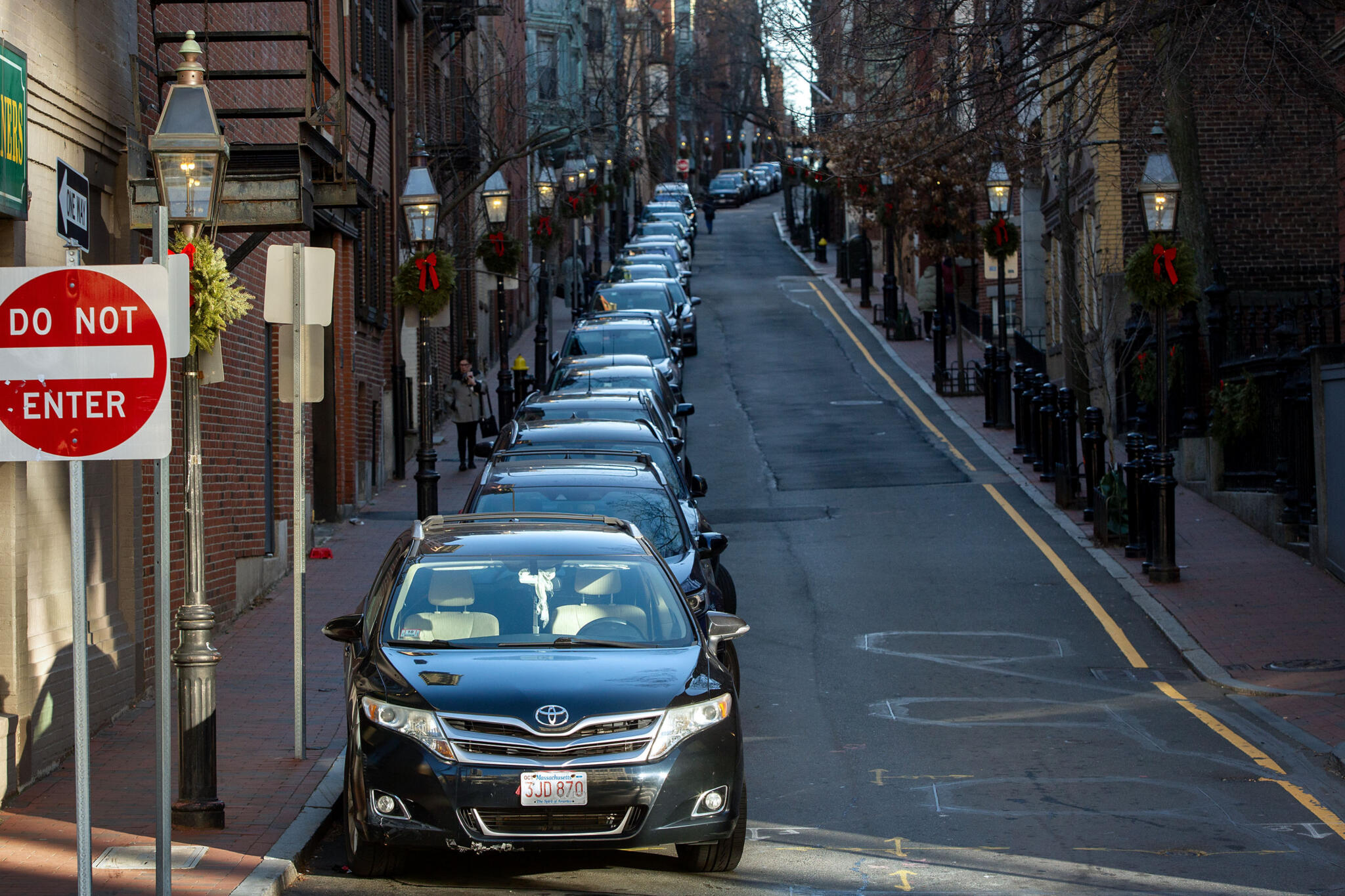
The economics are blunt. Building a single parking space costs developers between $34,000 and $152,000, according to a Pioneer Institute study cited by the Globe, and that expense gets baked into rent.
A 2019 Metropolitan Area Planning Council report found 30 percent of off-street spaces in Boston and 20 surrounding cities sat empty during peak hours. Santana pointed to Cambridge, which dropped minimums in 2022, and Austin, Texas, where 120,000 units were added over a decade and rents fell from roughly $1,520 to $1,300, Universal Hub reported.
Opponents sees a different ledger. Councilor Ed Flynn warned the measure would be “the final nail in the coffin for working class families that need a vehicle to support their family,” describing South Boston families who skip after-school activities after 4 p.m. rather than risk losing a curbside spot.
Councilor John FitzGerald painted a winter scene: a family with a three-month-old returning from the supermarket, unable to park within five blocks. “We gotta leave, we can’t do this anymore,” he said the parent would tell the other. Councilor Erin Murphy labeled the bill a “blanket approach” that ignores neighborhood differences. “Boston will never be a city without cars,” she said.
The vote split along familiar lines: Breadon, Coletta-Zapata, Culpepper, Durkan, Louijeune, Pepen, Santana, and Weber voted yes; FitzGerald, Flynn, Murphy, and Worrell voted no; Mejia voted “present.” Mayor Michelle Wu’s office declined to endorse the measure Wednesday, saying the city would “evaluate the implications of eliminating parking minimums citywide” after pursuing a neighborhood-by-neighborhood strategy, the Globe reported.
Related reading

Ohio University Prioritizes Hands-On Learning From Campus Facilities to European Fashion Houses
Ohio University’s Department of Recreation, Sport Pedagogy and Consumer Sciences is doubling down on hands-on learning, sending students...

Amtrak Launches Second Daily Pennsylvanian Train Service Between Pittsburgh and New York
Pittsburgh riders can now catch a train to New York twice a day instead of once, a change...

Trinity Church Highlights Six Nonprofits Addressing Hunger as 300,000 NYC Households Risk Losing SNAP Benefits
An estimated 300,000 New York households risk losing SNAP benefits this winter after a federal budget reconciliation bill...

Albuquerque Launches Operation Silent Night to Collect Holiday Donations for Shelter Pets
Albuquerque's animal shelters are asking residents to shop for pets who will not be home for the holidays,...