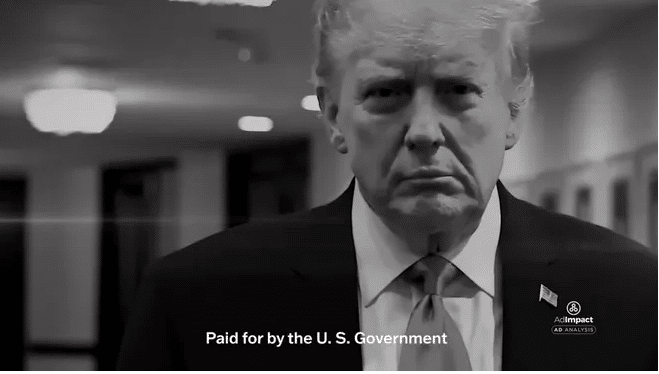
A federal judge halts government-funded political advertisements
A U.S. District Court judge has ordered the federal government to immediately stop using taxpayer money to finance a series of advertisements designed to glorify President Donald Trump and his policies. In the case of Common Cause v. Department of Homeland Security, Judge Jennifer L. Rochon ruled on October 11, 2026, that the government must end the funding of these campaigns, which plaintiffs argued were intended to influence the 2026 midterm elections.
The decision, which firstamendment.mtsu.edu reported, comes after allegations that the Department of Homeland Security (DHS) and other agencies diverted funds intended for other purposes to pay for political messaging. According to the plaintiffs, the advertisements had already been aired 13,972 times, generating approximately 1.39 million impressions and costing an estimated $12.6 million of a projected $20 million budget. The court characterized the messaging as propaganda.

This legal intervention strikes at a core tension between executive action and legislative intent. While the President’s administration argued the ads were legitimate communications, the plaintiffs contended that the expenditures violated the Hatch Act—which prohibits federal officials from using their official positions for political activity—and bypassed Congressional appropriations. This case highlights a significant shift from typical government spending controversies, which usually involve a failure to spend allocated funds, to a dispute over whether the government is spending money on unauthorized, partisan objectives.
The specific ads and the $20 million dispute
The legal battle focuses on five specific advertisements that featured captions indicating they were funded by the government. As detailed in the court records available via courtlistener.com, the titles of these advertisements include “The Country He Loves,” “Celebrating the Enduring Spirit,” “Final Battle,” “To the Great Proud People of Iran,” and “Maduro.”
The content of these ads reportedly went beyond mere policy explanation. At least one advertisement, drawn from an earlier Trump campaign, praised the President’s achievements while describing his political opponents as “socialists” and “communists.” The plaintiffs argued these ads created an unfair disadvantage for Trump’s opponents heading into the midterms.
The financial mechanics of the campaign were also a central point of contention. The court’s order addressed a September 20, 2026, purchase order between Customs and Border Protection (CBP) and LMD Agency, Inc. (doing business as Lepugh, Inc.). To prevent further spending, Judge Rochon issued a stay on the $20 million apportionment from the Office of Management and Budget (OMB) intended for the development and airing of these specific ads.
The scale of the expenditure is significant for a single agency’s communication budget:
| Metric | Reported Figure |
|---|---|
| Total Anticipated Budget | $20 million |
| Estimated Cost to Date | $12.6 million |
| Total Airings | 13,972 times |
| Total Impressions | ~1.39 million |
Immediate injunctions and the struggle for compliance
The court’s order was not merely a suggestion; it was a strict injunction designed to freeze all activity related to the challenged ads. According to the official order filed in the Southern District of Columbia, the injunction became effective at 6:45 p.m. on October 11, 2026. The ruling commanded that defendants cancel any existing reservations or arrangements for the ads, including those scheduled for the evening of the decision.
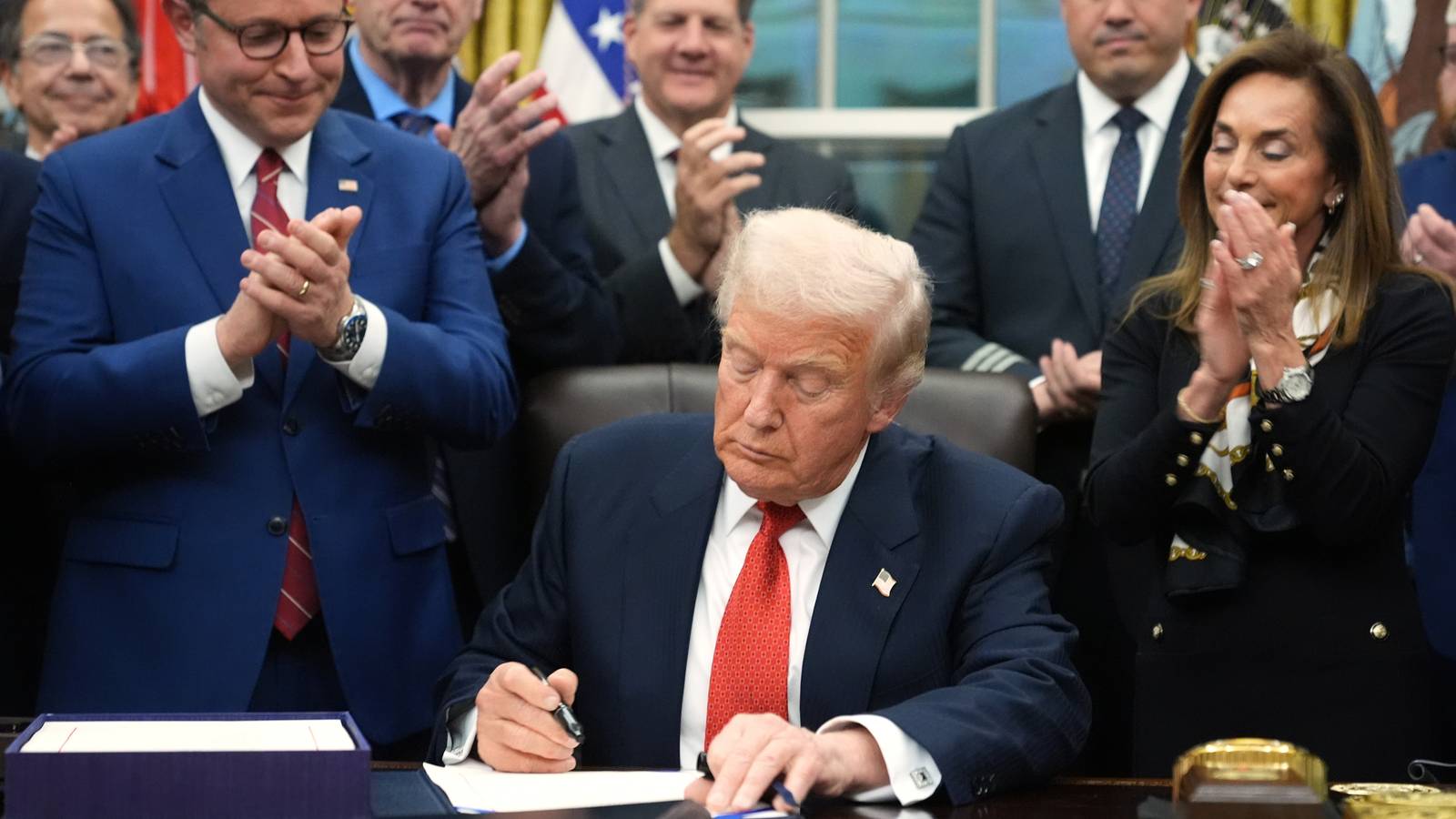
Furthermore, the order extended to third-party contractors. The court specifically enjoined LMD Agency, Inc. from continuing to run or place the advertisements, noting that the contractor was acting in concert with the defendants. The ruling also prohibited the government from entering into, renewing, or expanding any agreements that would authorize the dissemination of these messages.
Despite the judicial mandate, the timeline of compliance remains a point of scrutiny. While Judge Rochon ordered the ads to cease on the evening she issued her decision, reports indicated that the advertisements appeared to continue running past the legal deadline. This potential defiance adds a layer of complexity to the case, moving it from a dispute over spending authority to a potential confrontation regarding the rule of law and the authority of the federal judiciary.
The administration has responded to the controversy by stating that, moving forward, such advertisements would be funded by the President’s MAGA Super PAC. However, critics and plaintiffs have pointed out that this does not address the $12.6 million in government funds already utilized for the campaign.
The legal proceedings are ongoing. The court has scheduled a conference for October 13, 2026, to discuss the next steps in the matter and to evaluate the compliance of the defendants with the temporary restraining order. For now, the central question remains whether the executive branch will strictly adhere to the spending limitations set by Congress and the oversight of the courts.
Related reading

Wisconsin Gubernatorial Election: Crowley and Tiffany Battle for Control of Key State
Wisconsin voters face a historic choice for the governor's mansion Voters will decide Tuesday whether to elect Wisconsin’s...

Charleston Approves Free Metered Parking for Holiday Season
Charleston residents and holiday shoppers will find metered street parking free on six specific Saturdays throughout the upcoming...

Johnny Ray Richmond passes away in Shreveport, Louisiana
The Life and Legacy of Johnny Ray Richmond Johnny Ray Richmond, a man known for his ability to...
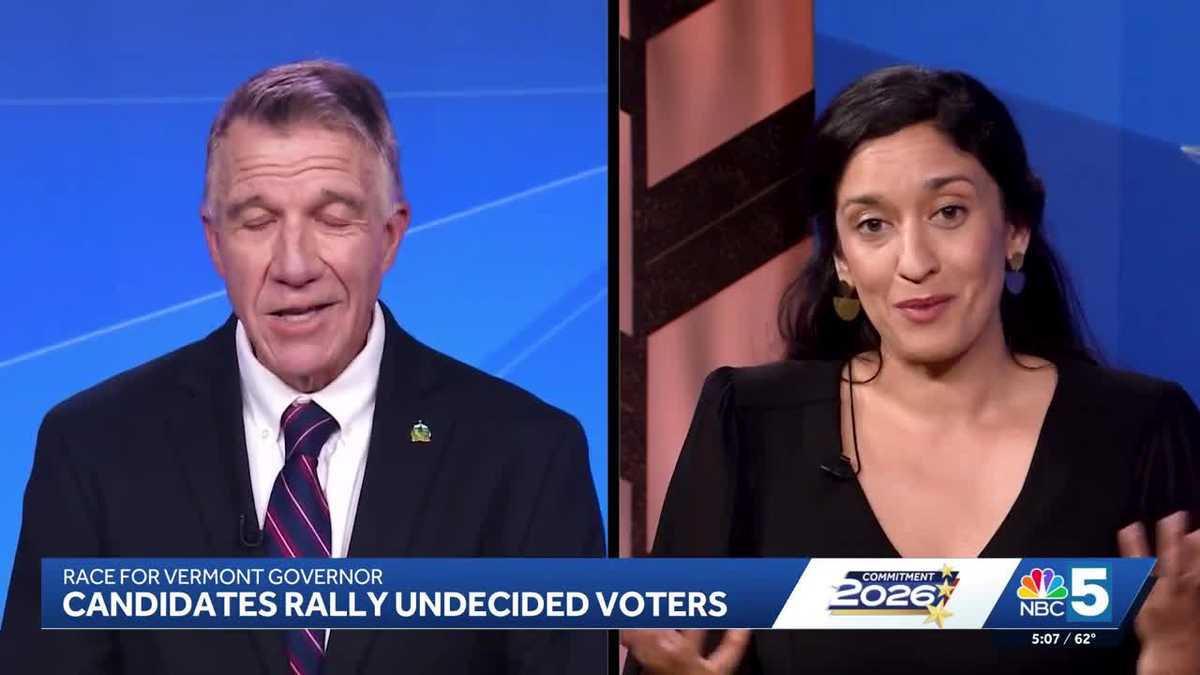
Janoo Leads Phil Scott by 8 Points in Vermont Governor Race
Vermont voters head to the polls as gubernatorial and lieutenant governor races tighten The final countdown for Vermont’s...