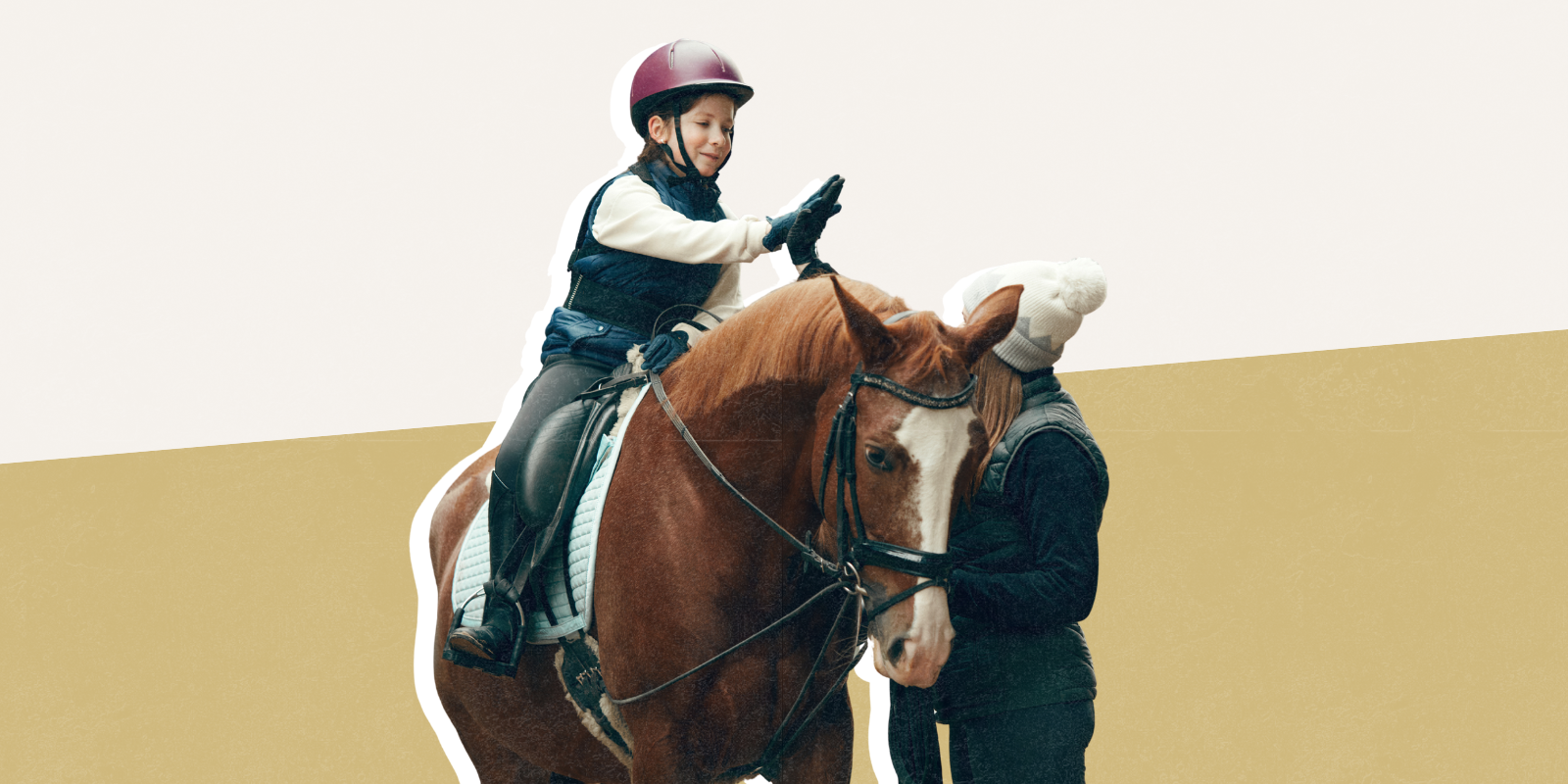
Therapeutic horseback riding cuts hyperactivity in children with autism and co-occurring psychiatric conditions, according to new research published in Pediatrics. Conducted across two distinct riding centers, the University of Colorado Anschutz study also found that structured barn activities without direct riding improve irritability, emotional regulation, and social functioning.
Replicating Results at a Maine Center
The investigation built upon earlier work conducted at Hearts & Horses in Colorado, seeking to determine if previous therapeutic benefits could be reproduced in a different setting. Researchers partnered with Riding to the Top, a smaller therapeutic riding center located near Windham, Maine.
Supported by the National Institutes of Health, the project specifically enrolled children diagnosed with autism alongside co-occurring psychiatric conditions. Approximately half of the participants in the earlier Colorado work carried multiple diagnoses, placing this demographic in a higher-intervention risk group.
Horse Riding Reduces Hyperactivity More than Barn Activities
The study divided participants into three distinct groups: children who engaged in horse riding, children who participated in horse-related barn activities without direct horse contact, and a waitlist control group. Children in the riding cohort experienced distinct advantages, while both equine intervention groups showed broad improvements over the waitlist.
Youngsters who actually mounted and rode horses achieved significantly greater reductions in hyperactivity than those in either the barn-activity or waitlist groups, data revealed. Participants made measurable gains in irritability control, emotional regulation, and social functioning across both active intervention arms.
Equine-assisted therapy might serve as a method to augment existing treatments, offering an alternative to traditional drug therapies that often carry unwelcome side effects, Gabriels noted.
Testing Non-Riding Options
Physical riding is not suitable or accessible for every child, so the investigation also tested non-riding alternatives.
Horses offer an accepting presence that reacts directly to human body language, according to the study’s leadership.
“That interaction can provide children with opportunities to practice communication, emotional regulation and other skills in a very different environment.”
Robin Gabriels, PsyD, MA, senior author and principal investigator, professor of psychiatry and licensed clinical psychologist at CU Anschutz and Children’s Hospital Colorado
Studying Equine Program Mechanisms
Structured animal-assisted activities function best as part of a comprehensive approach to managing complex behavioral and emotional challenges, researchers emphasize, noting that equine programs do not offer a universal solution for every autistic child.
Traditional clinical rooms cannot easily replicate the active and engaging environment that outdoor settings give vulnerable youth. The CU Anschutz team intends to continue investigating how horse-based programs influence youth with psychiatric conditions, working to isolate the precise mechanisms driving these behavioral gains, following earlier work conducted at Hearts & Horses in Colorado.

Routine Blood Tests May Predict Long-Term Dementia Risk
Routine blood screening tests and advanced genetic markers are offering doctors new ways to estimate long-term dementia risks...

JNU Scientists Target Human Protein to Weaken Malaria and Kala-Azar
Researchers at Jawaharlal Nehru University have targeted the human protein p38-MAPK to weaken both malaria and kala-azar parasites...

Seven Mycobacterium fortuitum Post-Procedural Wound Infections Identified in India
During a one-year period at a tertiary care center in Eastern India, seven patients with post-procedural wound infections...

Kyoto University Researchers Find Olive Oil Blunts Blood Sugar Spikes in Mice
Researchers at Kyoto University discovered that administering olive oil before carbohydrates blunts early blood sugar spikes in mice...