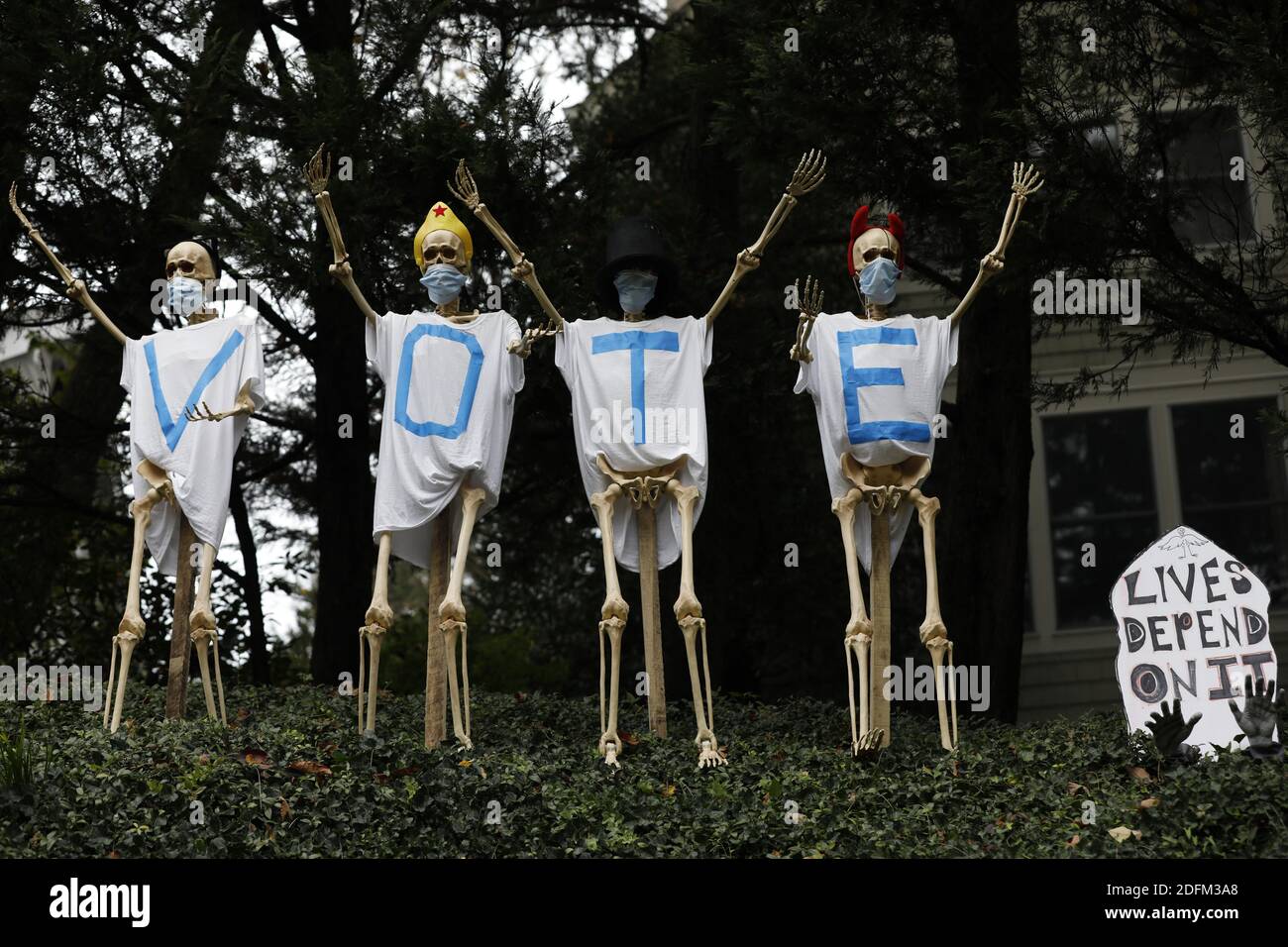
California Pushes for “Vote by Halloween” Strategy as Millions of Ballots Return Ahead of November 3
Election Day is just one week away, and California election officials are preparing. Nearly 3.4 million mail-in ballots have already landed back in county offices across the state, prompting a massive push from the California Voter Foundation (CVF) to get remaining voters to cast their ballots by Saturday, October 31.
The core challenge is straightforward math. California traditionally takes longer to tally election results than most states because the vast majority of voters rely on vote-by-mail ballots, with a massive surge arriving on Election Day itself. Each mail-in envelope requires an individual signature verification and manual opening before the ballot can even be scanned. Ballots arriving early clear these hurdles ahead of time, allowing them to hit the tally boards the moment polls close on election night. Ballots arriving on Election Day, by contrast, sit in a processing queue that stretches deep into the state’s 30-day certification window.
To bend that curve, CVF has launched a statewide “Vote by Halloween!” publicity drive. The campaign equips local election offices and civic organizations with free social media graphics and Canva templates to encourage early in-person returns. Vote centers are already open in Voter’s Choice Act counties, and state law mandates that every remaining county open at least one early voting location for a minimum of six hours on October 31.

Skipping the Envelope Check With “Sign, Scan & Go”
Voters who prefer filling out their paperwork at the kitchen table but want immediate peace of mind on election night have a specialized tool at their disposal this year. Thirty-one counties are offering “Sign, Scan & Go” or equivalent options—known locally as “Live Ballot” in San Mateo County and “Sign and Drop” in Sacramento.
Under this system, a voter brings their completed mail-in ballot to an official voting site. Election staff verify that the individual has not already voted, the voter signs the roster under penalty of perjury, and the ballot is processed directly as an in-person vote. Because the signature takes place in front of an election worker, the ballot completely bypasses the time-consuming envelope verification and manual opening steps. In Placer County, where the method was utilized during the November 2024 cycle, election officials reported saving three and a half days of total ballot processing time.
The push for operational efficiency comes during a tense administrative season. California election officials are simultaneously addressing complex legal challenges and inquiries stemming from federal claims of ineligible Californians registering and voting. For ongoing tracking of these legal disputes, independent legal observers point to UCLA’s Election Law Blog and Electionline as reliable sources.
Fixing Mistakes and What Comes Next
Errors happen, but state law requires officials to evaluate ballots based on clear voter intent. A mistake on a single local contest or proposition does not invalidate an entire ballot. If a mail-in envelope features a missing or mismatched signature, voters have up to 22 days following Election Day to cure the discrepancy. To streamline remediation, CVF has released updated guidance detailing statewide standards for correcting common ballot errors.
With virtual briefings scheduled through late October—featuring registrars from San Joaquin, Nevada, and Placer counties alongside policy advocates from Protect Democracy—election administrators are pulling out all stops to demystify the final week. Nonpartisan preparations culminate on Thursday, October 29, with a public ballot-prep event in Sacramento hosted alongside analysts from CalMatters and the California Budget and Policy Center.
Polling locations statewide open their doors for final pre-election weekend voting on October 31, setting the stage for the definitive statewide showdown on Tuesday, November 3.
Keep reading

Dolly Parton video screened at SEUS-Japan meeting in Nashville
A Posthumous Welcome at the JW Marriott A video recorded by Dolly Parton just days before her death...

Augustana vs. USF Volleyball Play-by-Play Highlights
Augustana and Sioux Falls battled through a fiercely contested volleyball showdown featuring tight scoring sequences, key substitutions, and...

Evangel University leads Columbia College 46-28 in second half
The Second-Half Momentum Shift As the clock ticked down to the 20-minute mark, the game's rhythm accelerated through...

AG Neronha: Seven Indicted in $2 Million Medicaid Fraud Scheme
Rhode Island Indicts Seven in Alleged $2 Million Medicaid Fraud Featuring AI Seven people connected to a Providence...