
Illinois Republicans have held no statewide office and remain a superminority in the General Assembly, a position that has persisted for decades under Democratic control of every level of state government.
“Democrats in Illinois have controlled every level of our state for decades,” said Aaron Del Mar, an entrepreneur and Republican leader from Palatine. “Republicans have struggled to build any statewide infrastructure cycle after cycle, recruit quality candidates, and communicate a winning and lasting message to reach voters beyond the base.”
Del Mar, who has served as Cook County GOP chairman, Illinois Republican Party co-chairman, Palatine Township committeeman and Palatine Township highway commissioner, argued that the absence of a functional opposition party removes accountability from state spending and policy decisions.
“Ironically, Democrats should welcome the competition, too,” Del Mar said. “A stronger Republican Party would require Democrats to defend their policies more thoroughly, engage voters they might otherwise overlook and respond to criticism with evidence rather than political talking points.”
He said the state sees billions of dollars flow through contracts, grants and programs annually without sufficient scrutiny over whether taxpayers receive value or programs meet stated objectives.
“These are not partisan questions — they’re fundamental responsibilities of government,” Del Mar said.
Del Mar called for organizational reform, transparent decision-making, candidate recruitment and grassroots organization rather than leadership changes or slogans. He said the party must address affordability, property taxes, crime, education, economic opportunity and trust in government spending.
“Illinois is diverse in every stretch of the imagination geographically, economically and culturally,” Del Mar said. “Illinois is more than just Chicago.”
He framed the next two years as a deadline for Republicans to become a functioning alternative or remain a permanent minority.
“The future of Illinois should not be determined by political inevitability,” Del Mar said. “It should be shaped by open debate, competing ideas and the consent of an engaged electorate.”
More on Palatine Township
Keep reading

Oregon Ducks to Host Washington Huskies in Prime-Time Rivalry Game on NBC
Senior day at Autzen Stadium will take place under the lights on Nov. 28 as the Oregon Ducks...
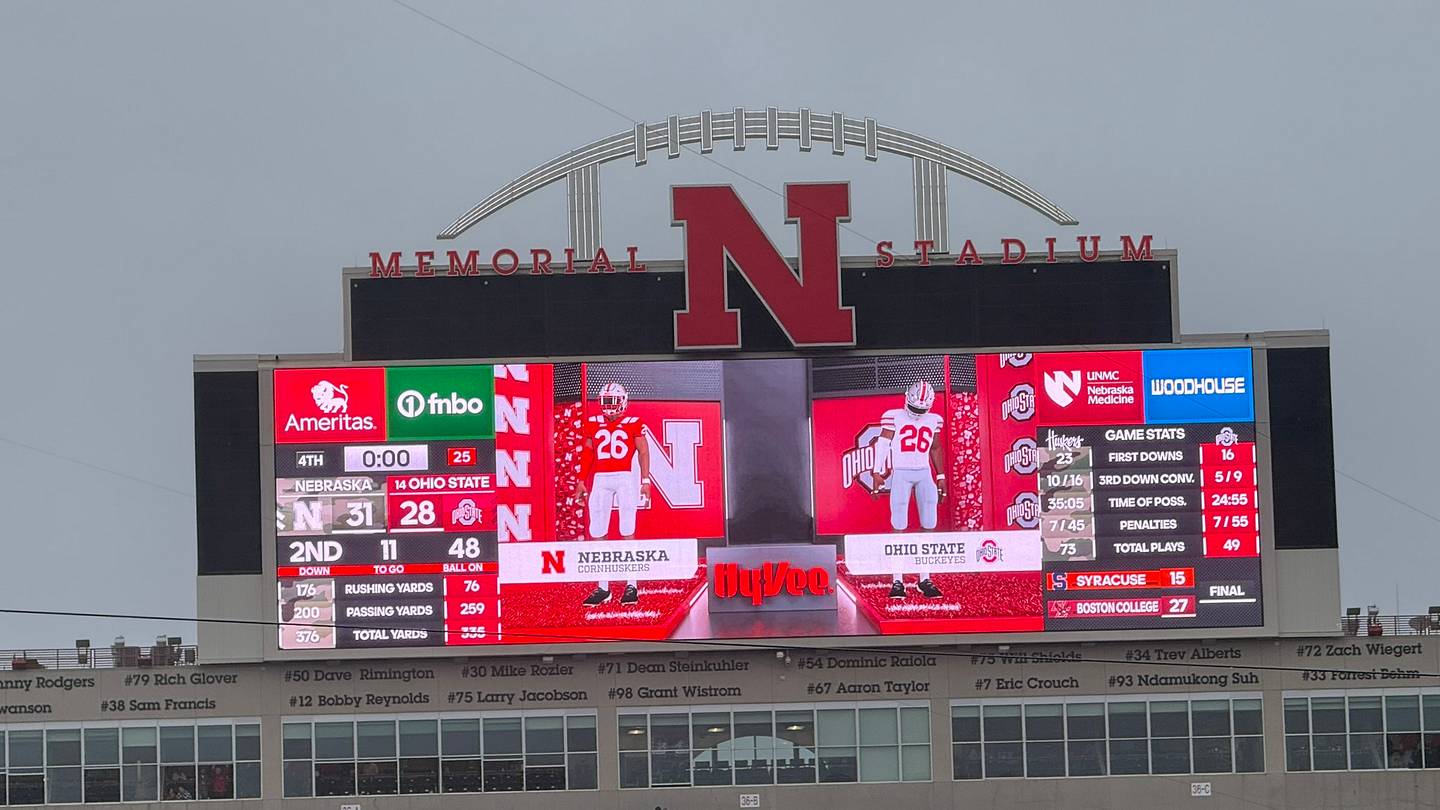
Nebraska Ends 10-Year Ranked Drought, Upsets No. 14 Ohio State
Nebraska rushed for 176 yards and improved to 7-0 when hitting the 150-yard mark. The Cornhuskers converted 10...

Feeding South Dakota Distributes 1,500 Thanksgiving Meal Kits in Rapid City, Sioux Falls
Volunteers distributed 1,500 Thanksgiving meal kits in Rapid City and another 1,500 in Sioux Falls on Saturday, Feeding...

Red Sox Trade Johan Oviedo to Diamondbacks for Luke Dotson, PTBNL or Cash
The Boston Red Sox traded right-hander Johan Oviedo to the Arizona Diamondbacks on Friday for minor-league left-hander Luke...