
Hit-and-run crashes in Delaware trigger a specific set of insurance protections that begin with a driver’s own policy, according to a guide published by The Sharma Law Firm.
Under Delaware law, leaving the scene of a crash involving injury carries a fine of $1,000 to $3,000 or one to two years in prison under 21 Del.
C. § 4202(b), while leaving a fatal crash is a class E felony under § 4202(c). Drivers must stop and render aid, and crashes with injury, death or apparent property damage of $2,000 or more must be reported to police under 21 Del. C. § 4203.
When the at-fault driver cannot be identified, the injured party’s uninsured motorist coverage becomes the primary path to compensation. Delaware insurers must include UM/UIM coverage unless the named insured rejects it in writing on the insurer’s form under 18 Del. C. § 3902(a)(1). A hit-and-run vehicle counts as uninsured when it causes bodily injury or property damage through physical contact, or when a “phantom vehicle” forces a crash without contact — provided both the driver and owner are unknown, the accident is reported to police, and the insurer is notified within 30 days or as soon as practicable, per § 3902(a)(3)c.
Personal injury protection pays first regardless of fault. Delaware’s minimum PIP limits are $15,000 for one person and $30,000 for all persons injured in one accident under 21 Del. C. § 2118, covering medical expenses, net lost earnings and certain other losses. Expenses must be submitted within two years. Losses above PIP limits, including pain and suffering, are pursued through the UM claim when the driver remains unknown.
If police later identify the driver — through plate readers, traffic cameras, witness tips or body shop reports — the claim may shift to that driver’s liability policy.
Under 18 Del. C. § 3902(b)(2), an underinsured vehicle is one with bodily injury liability coverage below the damages sustained. Delaware’s modified comparative negligence rule, 10 Del. C. § 8132, still applies: recovery is reduced by the claimant’s share of fault and barred only if that fault exceeds the defendants’ combined share.
Pedestrians and cyclists injured in hit-and-run crashes may still access their own PIP and UM coverage, or a household member’s policy, even though they were not driving.
The firm advises calling 911 immediately, securing the police report number, documenting the fleeing vehicle’s description and direction, preserving dashcam or surveillance video before it is overwritten, collecting witness contacts, photographing vehicle damage and paint transfer, and notifying the insurer within the 30-day statutory window.
Delaware’s general statute of limitations for personal injury is two years from the injury under 10 Del. C. § 8119, and for wrongful death two years under 10 Del. C. § 8107. The 30-day notice condition for hit-and-run UM coverage is far shorter.
The Sharma Law Firm represents drivers, passengers, pedestrians and cyclists in hit-and-run cases across Delaware.
Aman Sharma, Esq., Delaware Bar ID No. 5706, offers free case reviews at (302) 781-3077. Meetings are by appointment at eight Delaware offices; paralegals speak Spanish. The contingency fee is 33.33% of the recovery; no fee is owed if there is no recovery.
Related reading

Post-Gazette Names 2026 Fabulous 22; Central Catholic Sets School Record
The Pittsburgh Post-Gazette released its 2026 Fabulous 22 team on Thanksgiving week, a roster headlined by the nation's...
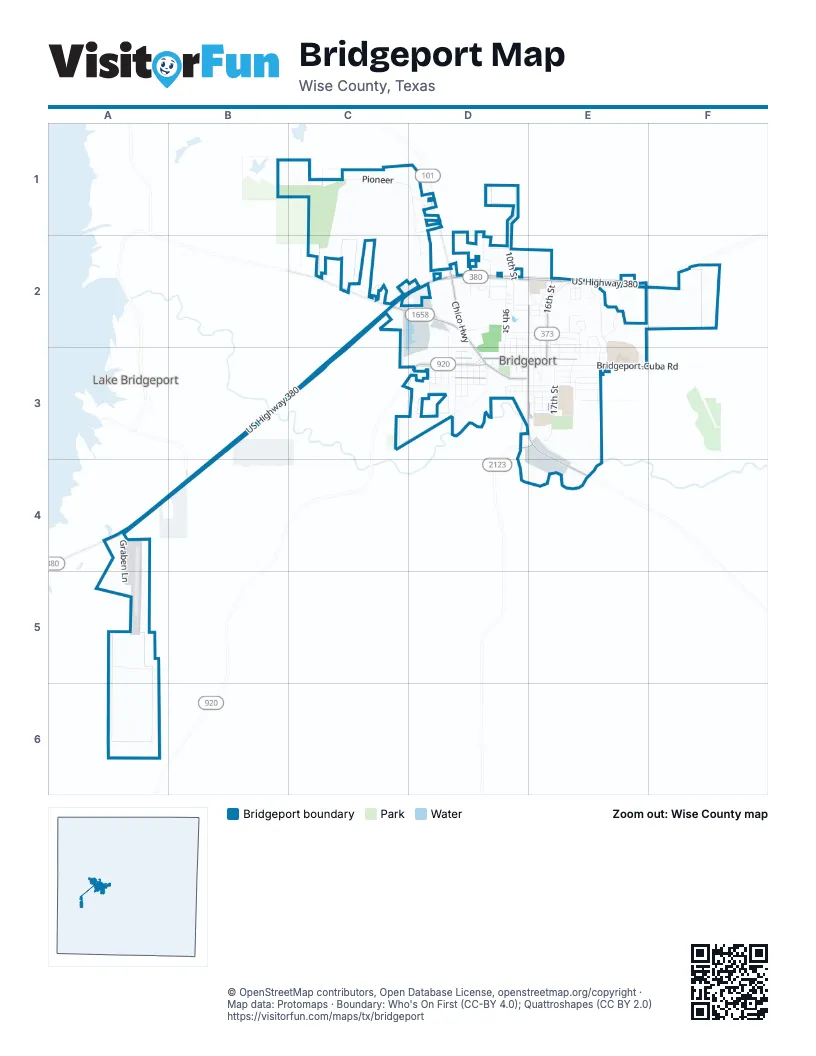
Bridgeport, Texas Street Map Indexes 123 Roads for 6,763 Residents
A new printable street map of Bridgeport, Texas, indexes 123 roads across the Wise County city of about...

Justice Haynes Set for First Full Workload vs. Georgia as Tech Leans on Run Game
Georgia Tech running back Justice Haynes will face the Georgia Bulldogs on Saturday in Athens, the first time...

Caleb Williams’ TD Pass to Rome Odunze With 3 Seconds Left Lifts Bears Over Lions 39-35 for NFC North Lead
Caleb Williams threw a 6-yard touchdown pass to Rome Odunze with three seconds left Thursday, giving the Chicago...