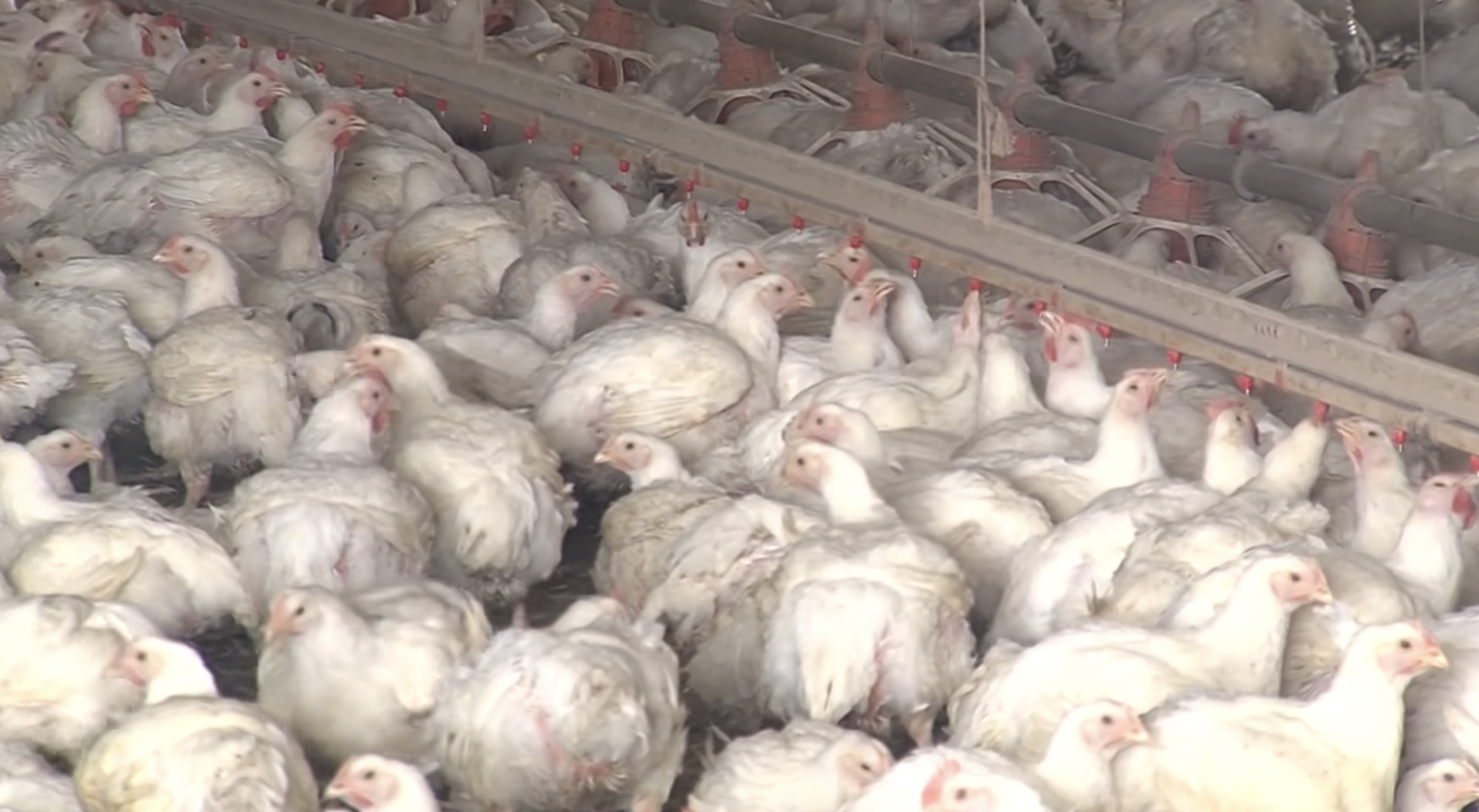
Delaware poultry owners face renewed warnings to secure their flocks following the detection of avian influenza in nearby Maryland.
The Delaware Department of Agriculture urged extra precautions as colder temperatures and the 2026-27 migratory bird season raise infection risks. This push follows a positive test for highly pathogenic H5N1 avian influenza at a commercial broiler farm in Worcester County, Maryland.
Preliminary testing detected the virus through routine surveillance, according to the Maryland Department of Agriculture. Officials quarantined the property and began euthanizing the affected flock to stop further transmission.
Officials say none of the birds from the affected flock will enter the food supply. Public health authorities maintain that transmission risks to the general public stay low, and poultry meat and egg products remain safe for consumers.
Avian influenza moves rapidly among birds via nasal and eye secretions, as well as manure. The contagious respiratory virus spreads between flocks through infected animals, contaminated equipment, and the footwear or clothing of caretakers.
Daily surveillance in Delaware relies on state officials working alongside the University of Delaware laboratory system. Testing occurs at commercial and backyard setups, before exhibitions, and during livestock and poultry auctions.
State guidance asks owners to isolate sick birds, limit farm access to essential workers, and keep domestic flocks away from migratory waterfowl. Delaware requires all locations keeping live poultry to be registered with the state.
Backyard owners spotting unusual illness can call the Delaware Poultry Health Hotline at 302-698-4507 or email [email protected]. People encountering sick wild birds can use the sick and injured wildlife reporting form provided by the Delaware Department of Natural Resources and Environmental Control.
Keep reading

Washington Defeats Michigan State 21-14 in East Lansing
Jayden Limar rushed for a tiebreaking 1-yard touchdown with 2:24 left on Saturday night in East Lansing, helping...

LSU Guard MiLaysia Fulwiley Arrested After Allegedly Fleeing Traffic Stop
Driving away from a traffic stop on Saturday night, LSU guard MiLaysia Fulwiley allegedly struck a police vehicle...

No. 7 Louisville Blows Out UConn in Largest Defeat in 20 Years
The UConn women’s basketball team suffered a 69-51 blowout loss against the No. 7 Louisville Cardinals on Sunday...

Eddie Applefeld Recommends Luray Stays, Dinner Theatre and Art
In a travel feature for the Baltimore Post-Examiner, Eddie Applefeld outlines a winter itinerary from Luray, Virginia, to...