“When the city tears up a street for years, the small businesses on that street pay a price they never agreed to,” Councilmember Chris Hinds said.
The Denver City Council advanced a proposal Monday to establish a permanent Business Impact Opportunity Fund, replacing a pilot program that has no funding for 2027.
The measure, sponsored by Hinds, Amanda Sawyer and Flor Alvidrez, cleared the Finance and Business Committee on first reading and still requires final council approval, Denver Gazette reported. A companion ordinance would create a special revenue fund allowing unspent money to carry over each year. City officials said the goal is for the program to take effect Jan. 1, 2027, according to denver7.com.
The draft rules call for city-funded projects priced between $10 million and $25 million that run longer than 12 months to reserve a minimum of 1% of their budgeted cost. Projects topping $25 million and extending beyond 18 months would earmark 1% to 5%, with the finance manager setting the exact share.
Projects under $10 million would fall outside the requirement, denver7.com reported. The money would come from the General Fund rather than construction budgets, though the 2027 budget is already set and no dedicated revenue source has been identified, the sponsors said.
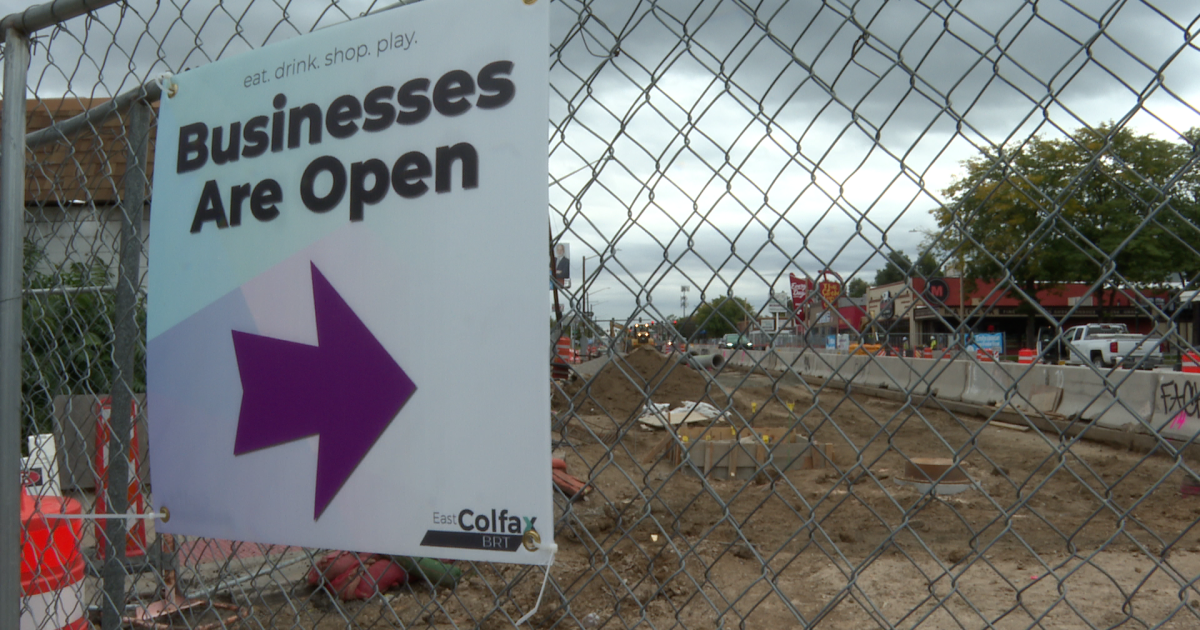
Grants would shift from the current one-time payments of $7,500 or $15,000 to a structure tied to annual revenue. Businesses with gross revenue of $100,000 or less could receive up to 10% of that revenue; those above $100,000 would receive at least $15,000, with a maximum grant of $35,000, thecherrycreeknews.com reported. The Department of Economic Development & Opportunity would administer the program, with administrative costs capped at 7% of the appropriation.
Business advocates warned that eligibility gaps persist. Helen Tekle, senior business manager for the East Colfax Community Collective, told councilmembers that certain businesses were turned down for grants because construction was slated to be finished, even though streets stayed closed.
She said two business owners she works with were denied in the last round, denver7.com reported. Others have struggled to qualify because they could not meet revenue requirements or demonstrate sufficient financial losses.
John Feld of The Fax Partnership, which has helped administer the fund for two years, told the committee a city study showed 95% of businesses that received grants stayed open.
He urged the council to create a second application window, saying many East Colfax businesses saw their eligibility expire before construction hurt them most. Adeeb Khan, DEDO executive director, acknowledged the program’s limits: “It will not make businesses whole. You will still have businesses that will fail as a result of construction.”
Councilmember Kevin Flynn questioned how the city would calculate construction costs for projects that combine design, engineering and construction expenses. Department of Transportation and Infrastructure officials acknowledged the calculation has not been finalized and said details would be addressed through administrative rules.

The full council will next consider the measures. If approved, the department would begin annual reporting to the mayor, council and auditor on Jan. 1, 2028.
Keep reading

Alvin Stanley “Sonny” Kelley, 87, Dies After Parkinson’s Battle
Alvin Stanley “Sonny” Kelley died November 9, 2026, in Council Grove, Kan., at age 87 after a long...

North Little Rock Couple Hosts 15th Annual Inclusive Thanksgiving Potluck
A community potluck dinner in North Little Rock will mark its 15th year on Thanksgiving, continuing a tradition...
Scott Colom Wins Mississippi Senate Race, First Black Senator Since Reconstruction
"Mississippi, we are done going slow!" said Scott Colom in his victory speech after the state elected its...

Nvidia Board Reinstates Huang as CEO After Conduct Investigation
Nvidia's board reinstated Jensen Huang as chief executive on Monday after concluding his conduct was "inconsistent with the...