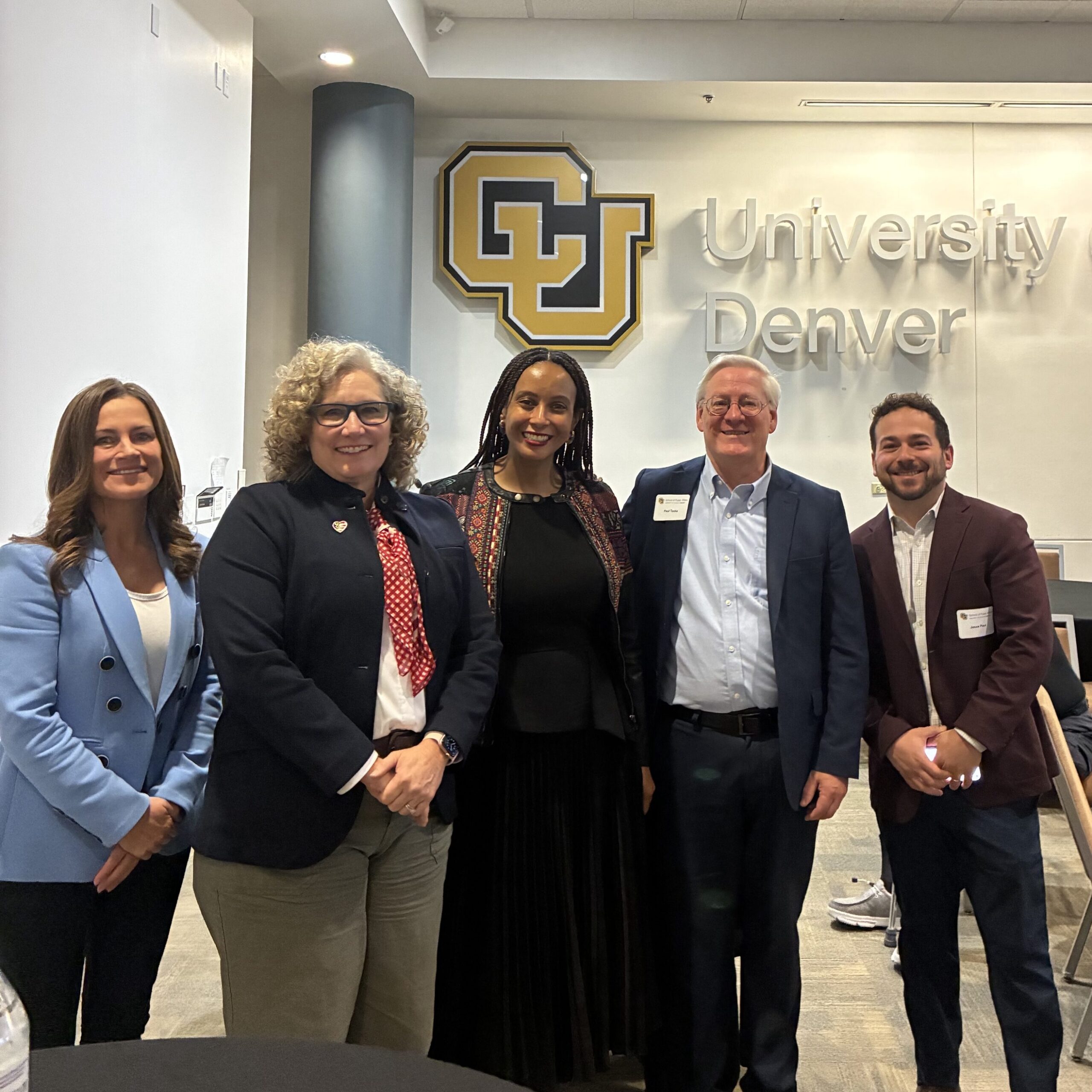
Colorado voters approved two statewide measures backed by The Denver Foundation and rejected two others, while Aurora voters defeated local sales-tax proposals for community and transportation projects, the foundation reported.
Voters passed Proposition 137, directing sporting-goods sales tax revenue to conservation and wildfire mitigation, and Proposition NN, increasing K-12 education funding. They defeated Amendment 81, which would have required law enforcement to report to federal authorities, and Amendment 82, which would have enshrined a constitutional right to buy and sell natural gas.
“Defeating Amendment 81 means protecting the right to due process, avoiding the risk of discrimination, and supporting our immigrant communities,” the foundation said. “And by defeating Amendment 82, our communities can continue to advocate for policies that will protect our environment and health.”
Aurora Ballot Issues 3A and 3C, which would have dedicated sales taxes to community facilities and transportation infrastructure, were defeated. “We’re disappointed they were defeated but are grateful that the proponents elevated important community needs that affect their economic opportunity and ability to access libraries and improve their sidewalks,” the foundation said.
The election also produced historic firsts for representation. Melat Kiros became the first Ethiopian and Gen-Z woman elected to represent Congressional District 1.
The Colorado legislature now includes three Asian American, Native Hawaiian, and Pacific Islander lawmakers. Colorado Democrats elected the first Black woman as Speaker of the House, and the first Latina and queer woman won statewide office. More LGBTQ+ and Indigenous legislators will serve in the General Assembly.
“This not only means there is diversity of ethnicity, gender, and race, but also lived and learned experience and education, which will show up in how policy is developed, designed, and deliberated,” the foundation said.
Canvassers found voters increasingly trust community spaces and local influencers — coffee shops, community organizations, and neighborhood leaders with social-media followings — over traditional outreach. AI-driven call-screening technology made phone banking less effective, forcing groups to recalibrate voter-contact strategies.
The foundation plans to spend the coming months building relationships with legislators and the Weiser administration, supporting partner policy goals, and advancing racially equitable policies in metro Denver. It will release findings from a Civic Leaders’ survey in 2027.
Worth a look
Cornbread Dressing Waffles With Sausage Gravy Give Thanksgiving Leftovers a Crispy Second Act
In a column for The Seattle Times, home chef and engineer Detria Turner argues that leftover cornbread dressing...
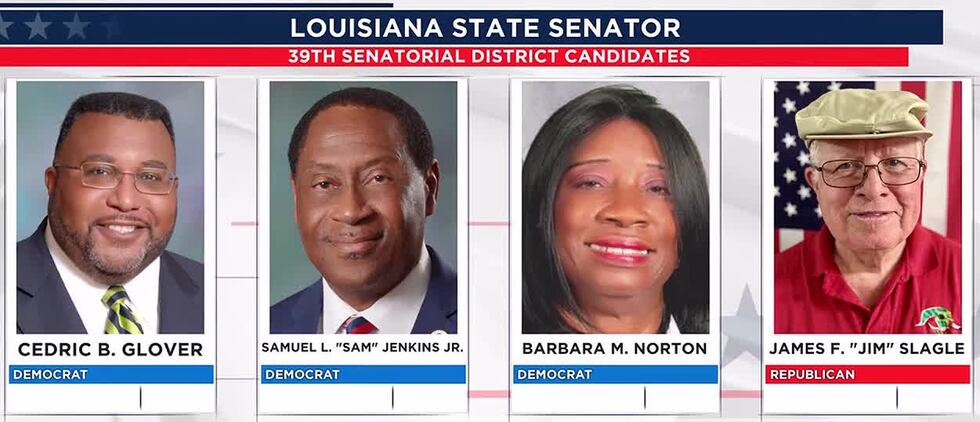
Louisiana U.S. House, Local Races Set for Dec. 12 Election
Louisiana voters will decide two U.S. House races and a slate of local offices in a general election...

How a Vogue Editor Packed for the Las Vegas Formula 1 Grand Prix
Vogue published a first-person essay by a fashion editor detailing a packing strategy for the Las Vegas Formula...

Amtrak Drops Bridgeport Rail Yard Plan After FRA Cites Huge Cost Overruns
Amtrak abandoned its plan to build a $900 million maintenance facility in Bridgeport on Tuesday after the Federal...