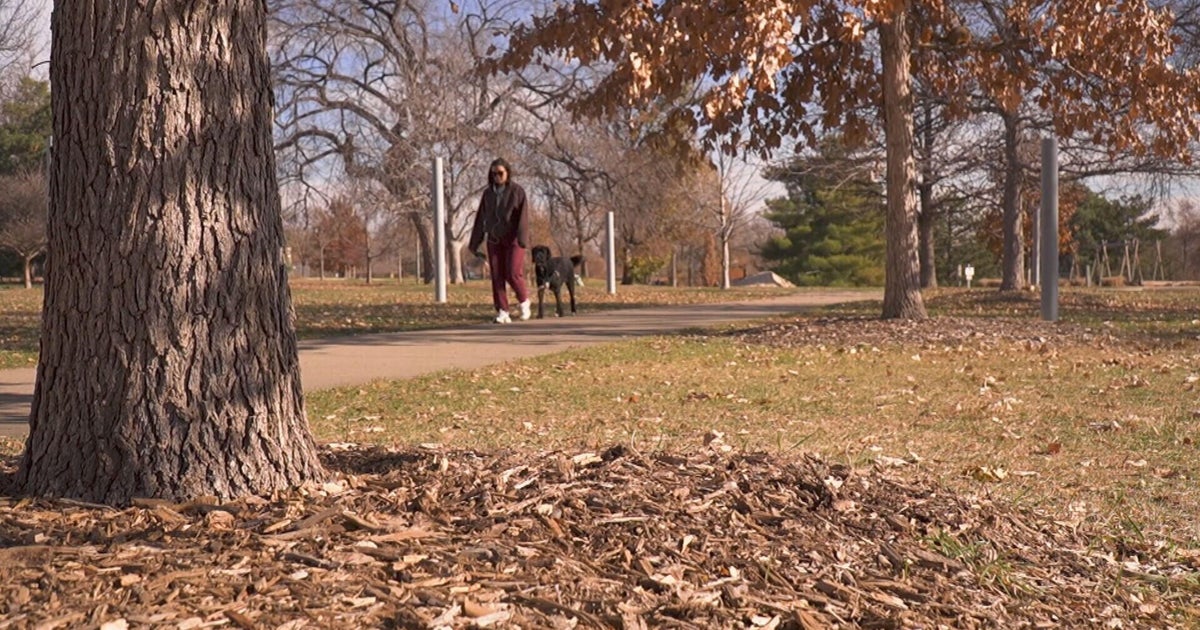
Denver Parks and Recreation cut its water consumption by 26% this summer compared with its previous five-year average, exceeding a 20% conservation target set by Denver Water and saving an estimated 263 million gallons, according to department figures.
The department identifies itself as Denver Water’s largest single customer, typically using about 2 billion gallons a year to irrigate more than 3,000 acres of parks.
“We use a lot of water,” said Demian Wetzel, Denver Parks’ water conservation manager, who said he initially wasn’t sure the department would be able to meet the 20% target. “Every year on average, Denver Parks uses 2 billion gallons of water a year to water over 3,000 acres of parks.” Falling short would have triggered substantial drought surcharges, Wetzel said.
Meeting the goal required prioritizing where water was most needed. The department maintained irrigation for swimming pools, recognizing their role as cooling centers during hot summer days, and kept athletic fields watered enough to remain safe and playable. “Parks across the board looked a little drier than normal,” Wetzel said. Irrigation on city medians was reduced by 35% and decorative fountains were kept off throughout the summer.
Longer-term changes contributed to the savings. At Harvard Gulch, crews are converting 21 acres of traditional bluegrass to native grasses and vegetation that require substantially less water. “Converting one acre of traditional bluegrass park to a native grass area can save us 435,000 gallons a year,” Wetzel said.
Technology also played a role. Denver Parks operates a centralized irrigation control system linked to weather stations that allows officials to monitor conditions and adjust schedules, including shutting down watering when rain is expected.
Wetzel demonstrated how the system lets him control irrigation at parks across the city with the push of a button, even remotely from his cellphone. The department manages approximately 750,000 sprinkler heads throughout its parks and public spaces and encourages residents to report malfunctioning systems.
While some of this summer’s savings came from temporary watering reductions, projects such as the Harvard Gulch conversion are intended to produce lasting reductions in water consumption.
Worth a look
Former Irish Rail Worker Loses €12,000 Unfair Dismissal Award on Labour Court Appeal
A former Irish Rail worker who appealed a €12,000 unfair dismissal award has lost the payment entirely after...
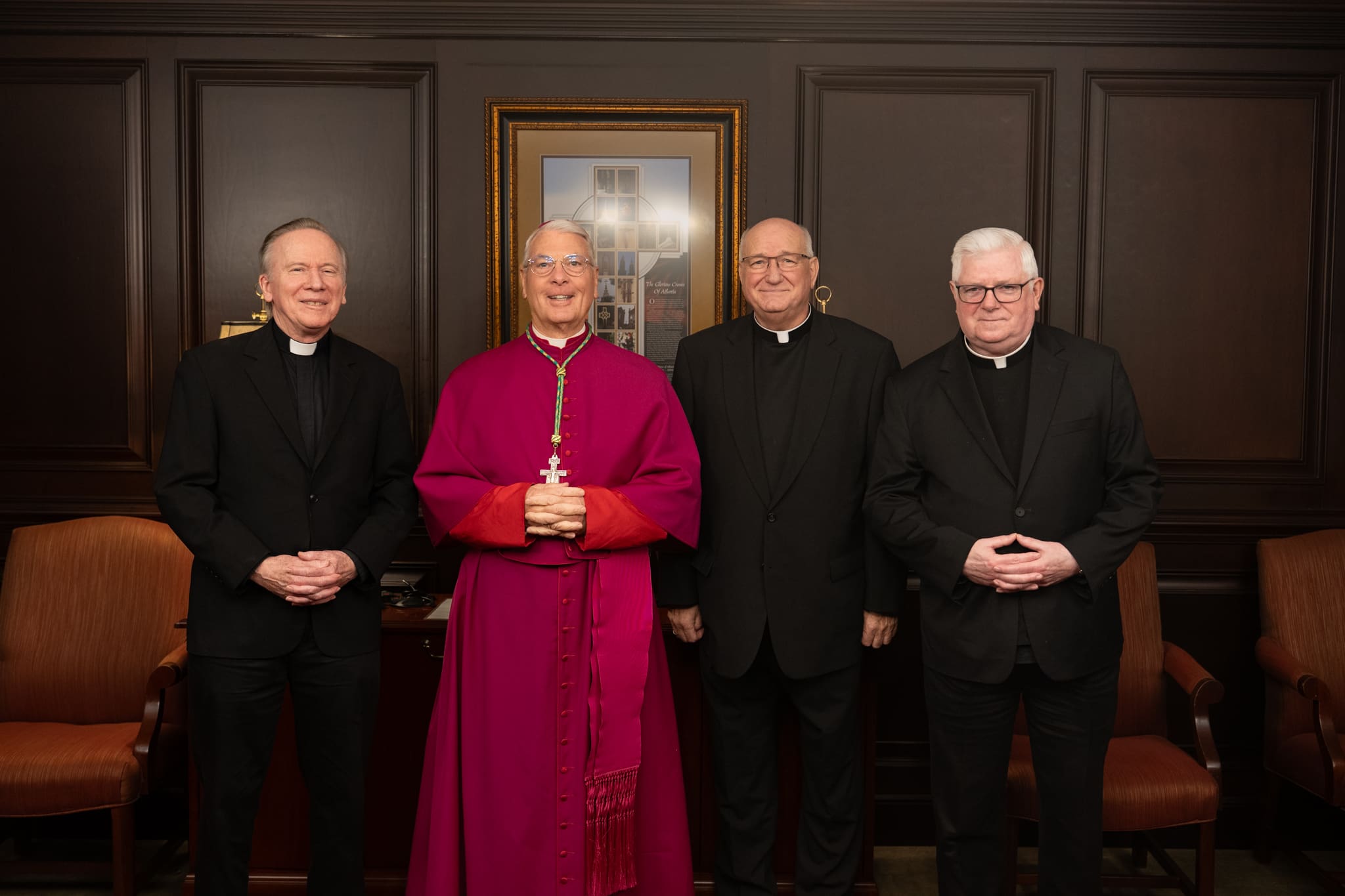
Pope Leo XIV Names Three Atlanta Priests as Monsignors
Pope Leo XIV has named three Atlanta priests as Chaplains of His Holiness with the title of monsignor,...

Colorado State Sweeps All-Pac-12 Honors With Eight Selections, Coach of the Year
Colorado State placed eight players on the All-Pac-12 volleyball team Monday, matching the program's perfect 16-0 conference record...
Trenton Conscious Venture Lab Marks Year One With $2.1M Invested, 29 Jobs, Applications More Than Triple
Trenton’s Conscious Venture Lab marked its first anniversary on Monday with $2.1 million invested in New Jersey startups,...