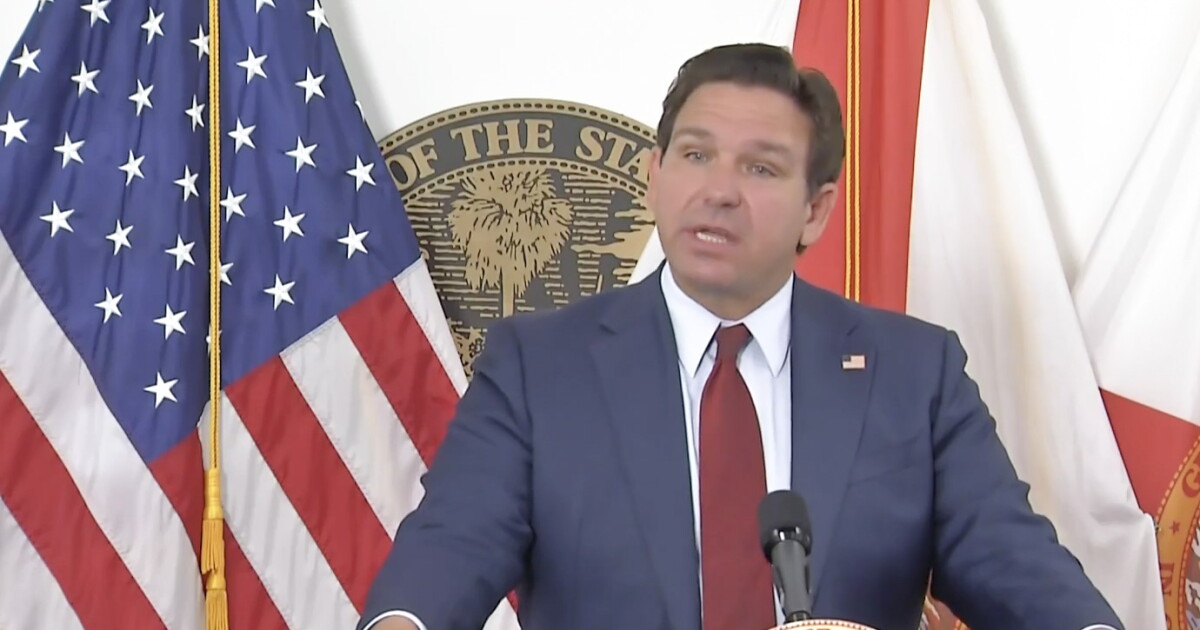
Gov. Ron DeSantis won 62 percent voter approval for Amendment 3 in the midterm elections but cannot secure a special session to implement it before he leaves office.
DeSantis is pressing House Speaker Sam Garrison and Senate President Jim Boyd to convene a special session before Governor-elect Byron Donalds takes over on Jan. 5, arguing local governments will raise fees or cut cherished services to offset the lost revenue, Central Florida Public Media reported.
Garrison and Boyd say the regular session offers enough time to “give it the time and the attention that it needs,” Boyd told reporters after the Legislature was sworn in last week.
Special session standoff
DeSantis wants legislation that blocks cities and counties from creating new taxes or fees to replace property-tax income, plus state aid for rural counties and “bedroom communities” dependent on that revenue.
“I’d hate to go into the new year and people are going to be planning to get $2,000 relief from property tax and then just get nickel and dimed in other ways,” DeSantis told reporters Monday in Melbourne. He has not ruled out calling a session himself, telling reporters to “stay tuned.”
Garrison, in his inaugural speech as Speaker, acknowledged the mandate but warned of fiscal reality. “As someone who never met a tax he didn’t want to cut, let me be clear: the laws of economics remain undefeated, and there is still no such thing as a free lunch,” he said. “It is our responsibility to ensure that we do not replace one broken system of local taxation with another, and that we deliver on the promise to support critical local services in our entire state.”

Local cuts draw “Washington Monument” label
DeSantis has branded early local responses “Washington Monument syndrome” — cutting visible services to sour voters on the tax cut rather than trimming bureaucracy. He cited Deltona’s decision to drop support for its Christmas parade and a Pinellas Suncoast Transit Authority proposal to raise fares for disabled riders.
“Behold another installment in Washington Monument syndrome, as local governments try to punish voters for their choices at the ballot box,” DeSantis posted on X last week, reacting to a WFLA story. “Amendment 3 ‘forces’ increases for people with disabilities but conveniently does not ‘force’ reductions in bureaucracy or $200k+ salaries?”
Amendment 3 mechanics and fiscal scale
The measure raises the homestead exemption from $50,000 to $150,000 in 2027 and to $250,000 in 2028; new residents after Jan. 1 must wait five years for the additional exemption. It also lowers the annual assessment cap on non-homestead properties from 10 percent to 5 percent.
Local governments are projected to lose — and property owners to save — $4.93 billion next fiscal year, climbing to nearly $12 billion in five years. DeSantis notes property-tax collections have doubled from $32 billion to $62 billion over eight years and argues large jurisdictions can absorb the hit, while lawmakers worry about small towns that cannot.
Governor-elect Byron Donalds steps into the standoff after serving as U.S. representative for Florida’s 19th congressional district since 2021 and as a member of the Florida House of Representatives for District 80 from 2016 to 2020, where he chaired the Insurance and Banking Subcommittee. A member of the Republican Party’s conservative wing, Donalds campaigned on a platform aligned with the property-tax relief mandate that Amendment 3 embodies.
The regular session convenes in March, leaving the implementation timeline and the scope of state backfill for rural counties unresolved.
Related reading

Two Fuel Tankers Collide Head-On in Edgefield County, Killing One Driver and Injuring Another
Two fuel tankers collided head-on Wednesday before 6 a.m. on Sweetwater Road near the Murrah Road Extension in...

Venables Backs Backups for QB Job but Portal Path Seen as Likely
Oklahoma faces a quarterback transition after John Mateer exhausts his eligibility this season, and the Sooners' internal options...
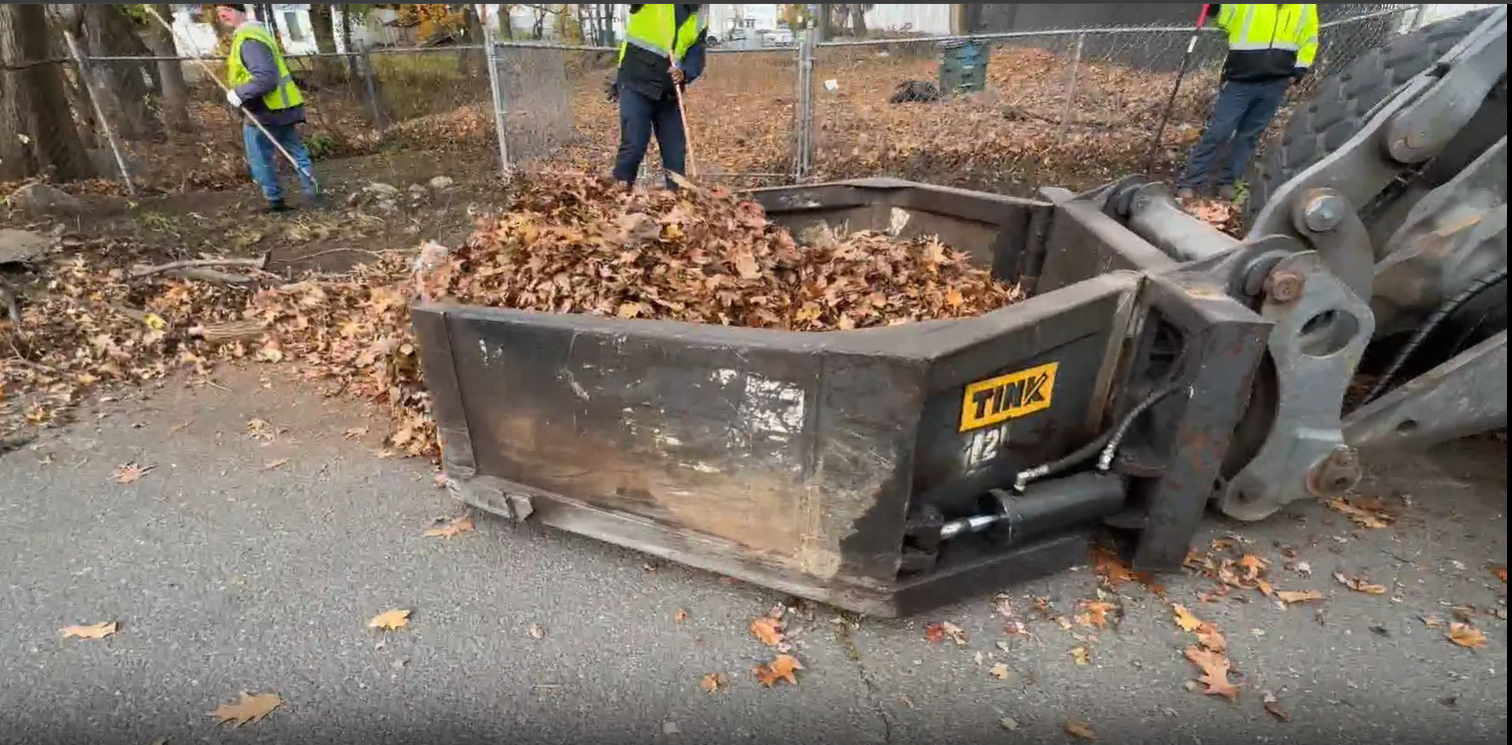
Connecticut Crews Clear Drains Ahead of Thanksgiving Storm
Crews across Connecticut cleared storm drains and tree limbs Tuesday ahead of a Thanksgiving storm forecast to bring...

Maryland Fishing Report: Stripers Chase Bait into Main Bay as Water Temps Drop
Striped bass are moving out of Chesapeake Bay tributaries into the main stem chasing peanut bunker and silversides,...