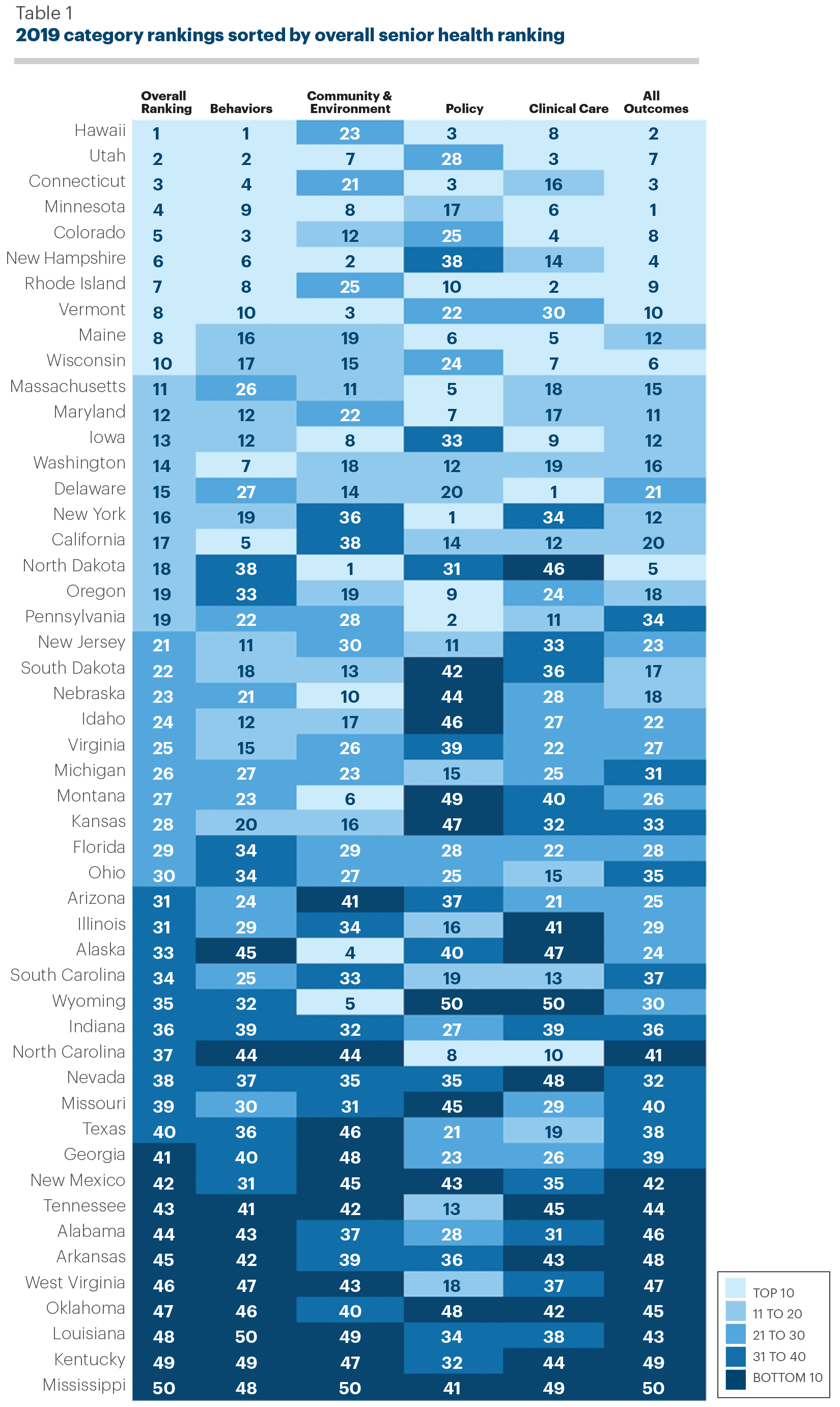
Diabetes prevalence among women of reproductive age in Tennessee remains above national benchmarks, with sharp divides by income and geography, according to America’s Health Rankings analysis of CDC data.
The analysis, drawn from the Behavioral Risk Factor Surveillance System for 2023–2024, measures the percentage of women ages 18–44 who were told by a health professional they have diabetes, excluding prediabetes and gestational diabetes. Diabetes was the seventh-leading cause of death in the United States in 2024, and total direct and indirect costs reached $413 billion in 2022, according to America’s Health Rankings.
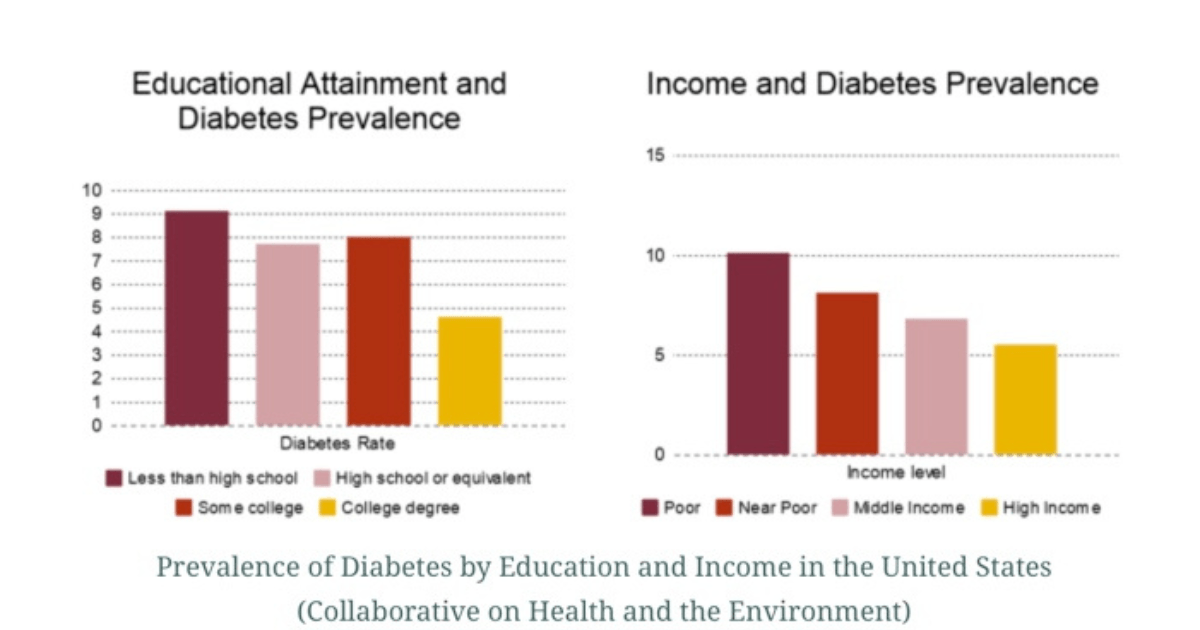
Women with annual household incomes below $25,000 show significantly higher prevalence than those earning $150,000 or more, the data show. Women living in nonmetropolitan areas also face higher rates than those in metropolitan areas. Prevalence rises with each age group, peaking among women ages 35–44 compared with those 18–34.
Black women experience higher prevalence than multiracial, white, and Asian women, the rankings indicate. Women with less than a high school education have higher rates than college graduates. Women reporting difficulties with mobility, self-care, vision, hearing, independent living, or cognition also show elevated prevalence compared with women without disabilities.
Approximately 90% to 95% of U.S. cases are Type 2 diabetes, influenced by modifiable risk factors including smoking, overweight, physical inactivity, and high blood pressure, America’s Health Rankings noted. Type 1 diabetes accounts for 5% to 10% of cases and has no known prevention. Gestational diabetes affects between 5% and 9% of pregnancies and increases later Type 2 risk for mother and child.
The U.S. Preventive Services Task Force recommends screening for prediabetes and Type 2 diabetes among adults ages 35–70 with overweight or obesity. The Community Preventive Services Task Force identifies intensive lifestyle interventions, mobile phone applications, and team-based care as effective for Type 2 management.
A federal report to Congress emphasized promoting drinking water over sugar-sweetened beverages, supporting breastfeeding, and expanding housing opportunities for low-income families in walkable areas with access to healthy food and green space.
Related reading

Sen. Young: Indiana Launches Federal Drone Test Site in Terre Haute
The Midwest Unmanned Aircraft System (UAS) Test Site of Indiana officially launched last month in Terre Haute, becoming...

Beth El Temple Launches Focus Groups for Rabbi Rosen Successor Search
Beth El Temple of West Hartford has launched congregational focus groups this month as the first formal step...

Corey Day Wins Four Times, Finishes Fifth in Rookie NASCAR O’Reilly Series Season for Hendrick Motorsports
Corey Day finished fifth in the 2026 NASCAR O'Reilly Auto Parts Series standings with four wins, two poles...

Colorado Population Growth Slowest in 15 Years Despite Birth Uptick, Demographer Says
“It was zero or maybe even negative job growth in the state,” state demographer Neal Marquez said at...