
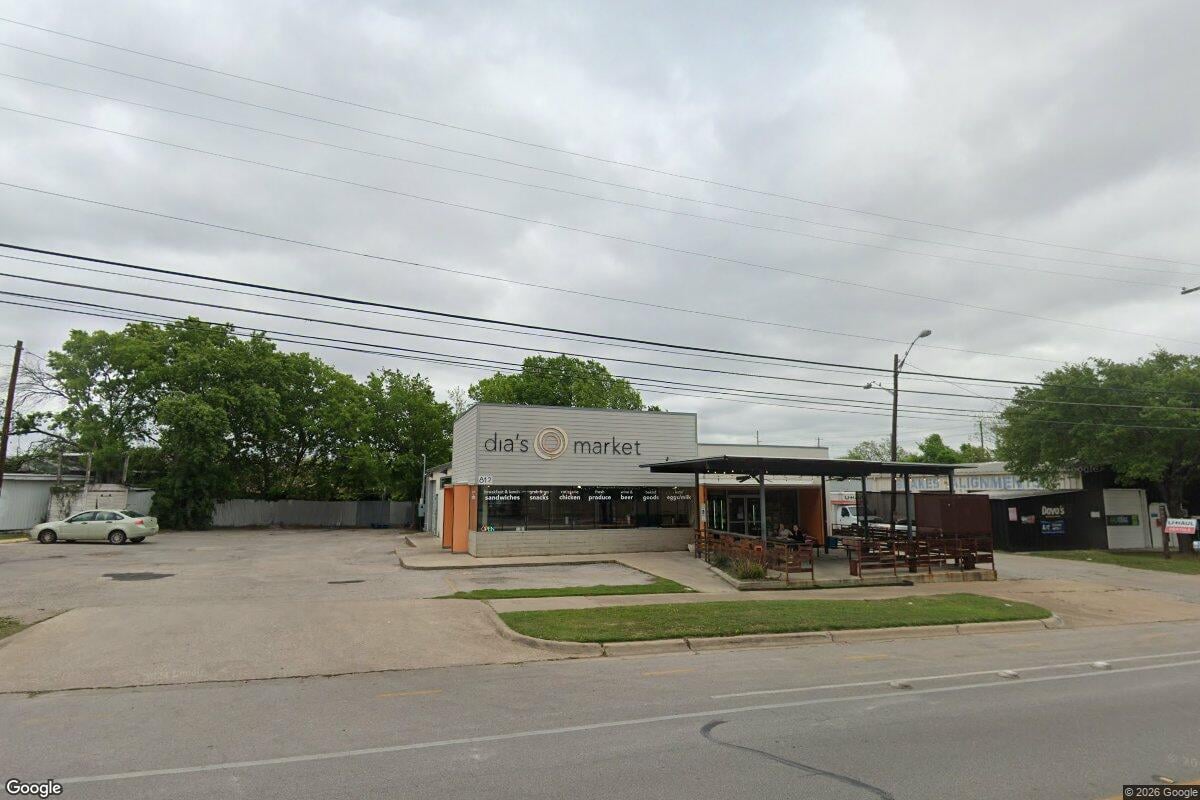
Dia’s Market & Deli, a neighborhood staple in Austin’s Crestview area, is scheduled to close its doors at the end of November. The announcement, shared by owner David Hopper via an Instagram post, marks the end of a decade-long run for the microgrocery at 812 Justin Lane. According to reporting from CultureMap Austin, the decision stems from a combination of slowing customer traffic and the economic realities of a lease renewal.
For the residents of North Central Austin, the loss of the market represents more than just the disappearance of a grocery store. Since opening in June 2016, the shop has functioned as a community hub, offering a curated mix of local and national products, specialty cheeses, baked goods, and prepared deli items. reports that the business was born from the Hoppers’ passion for food and community, a mission David Hopper has championed since moving to Austin with his wife, Amanda, in 2007.
The economic reality of neighborhood retail
The closure highlights the precarious balance small, independent retailers must strike in rapidly evolving urban landscapes. David Hopper noted in his social media announcement that he had originally built out the storefront in 2014 with the expectation that nearby commercial and residential development would drive increased foot traffic to the area. However, those developments did not materialize as anticipated.

As the local landscape shifted, the math for staying put changed. Hopper told Yahoo News that because those expected developments never came to fruition and customer numbers continued to dwindle, renewing the lease “just doesn’t make economic sense.” This situation reflects a broader trend seen in many growing cities, where the rising costs of commercial real estate often outpace the revenue generated by small-scale, neighborhood-focused businesses.
The market’s history reveals a consistent effort to adapt to changing consumer habits. previously reported on how Dia’s sought to expand its offerings, including the possibility of moving from deli-focused orders to broader grocery services. This push toward “microgroceries” was part of a larger movement in Austin to provide residents with convenient, local alternatives to massive supermarket chains.
A decade of community connection
The name “Dia’s” carries a personal weight for the owners, serving as an acronym for their three children: Dylan, Isobel, and Alexander. This family-oriented approach was visible in the store’s atmosphere, which combined essential staples with a social element through its selection of beer, wine, and coffee. notes that when the shop’s plans were first detailed by Community Impact in 2016, the vision included an outdoor patio and a focus on locally sourced items intended to foster local connection.
“Food is an amazing way to start a conversation, I like to connect with people and I think food is one of the ways I can do that,” Hopper said in a 2020 interview.
Beyond the sandwiches and specialty goods, the market served as a gathering place. The owners expressed deep gratitude for the people who made the business possible. In his announcement, Hopper specifically thanked both his staff and the “amazing customers” who supported the journey over the last ten years.
The changing face of Crestview
While the specific final day of operation has not been officially designated, the end of November serves as the definitive timeline for the shop’s departure. The closure leaves a gap in the Crestview neighborhood’s retail fabric, particularly for those who relied on the shop’s ability to bridge the gap between a quick deli stop and a curated grocery experience.
The departure of Dia’s Market & Deli is a quiet indicator of the friction between long-standing local businesses and the shifting economic tides of Austin’s development. As the neighborhood continues to change, the disappearance of such specialized, family-run spaces often signals a transition toward a different kind of commercial environment—one where the personal connection between shopkeeper and neighbor is increasingly difficult to maintain.
Hopper’s message to his community remained focused on the relationship built over the years, noting that while the business is ending, the passion for the local community remains intact.
Keep reading

Wyoming Air National Guard Conducts Sentry Aloha 26-1 Training
Wyoming Air National Guard Airmen Deploy to Hawaii for Sentry Aloha 26-1 Airmen assigned to the 153rd Airlift...

Oklahoma State must beat Colorado to keep Big 12 Tournament hopes alive
The Cowgirls face a steep climb in Boulder Oklahoma State enters the final stretch of the 2026 regular...

Richmond Pickle Party 2026: A Guide to the Inaugural Jackson Ward Festival
Richmond launches inaugural pickle festival in Jackson Ward Richmond is preparing for a weekend of briny celebrations as...

Escaped Tennessee Murder Convict Jacob Morley Recaptured in Missouri
Jacob Morley recaptured in Missouri after week-long manhunt Jacob Allen Morley, the convicted murderer who escaped from a...