
The U.S. Justice Department on Sunday urged the Eighth Circuit Court of Appeals to lift a stay blocking the Army from detonating 9,700 pounds of lead azide by Nov. 24. Justice Department on Sunday urged the Eighth Circuit Court of Appeals to lift an administrative stay that has blocked the Army from detonating 9,700 pounds of degraded lead azide at the Iowa Army Ammunition Plant in Middletown, even as the Army signaled it may proceed without the permit at all.
The DOJ filed its opposition the same day environmental groups submitted affidavits from scientists challenging the Army’s assertion that a temperature drop creates an immediate risk of uncontrolled explosion.
The stay, granted Nov. 20, halted an emergency permit issued by the Environmental Protection Agency. In a Saturday filing, the DOJ told the court the Army intends to invoke an emergency provision of the Resource Conservation and Recovery Act allowing detonation without a permit, stating it planned to act by Nov. 24.
The Army later posted on X that the detonation would occur Wednesday, Nov. 25. “The Army and our interagency partners have been working around the clock to safeguard all Americans in the region,” the post said. “Additional details on this situation will be forthcoming.”
The DOJ filing said a controlled detonation was “necessary now to respond to the immediate threat of an uncontrolled explosion” at the plant. An Army munitions expert declared that falling temperatures could further destabilize the lead azide by causing more crystallization. Scientists supporting the environmental groups contested that claim. Mark Thomas, an environmental health science researcher formerly with the EPA, argued the barrels are insulated from drastic temperature changes by the earthen structures surrounding them.
“The anticipated drop in temperature … would not translate into an immediate or comparable change in temperature inside the earth covered magazines where the material is stored,” Thomas wrote in his affidavit. Ranajit Sahu, a combustion and heat transfer expert, said he “cannot rule out the potential formation and release of a wider range of combustion toxics” in addition to lead.
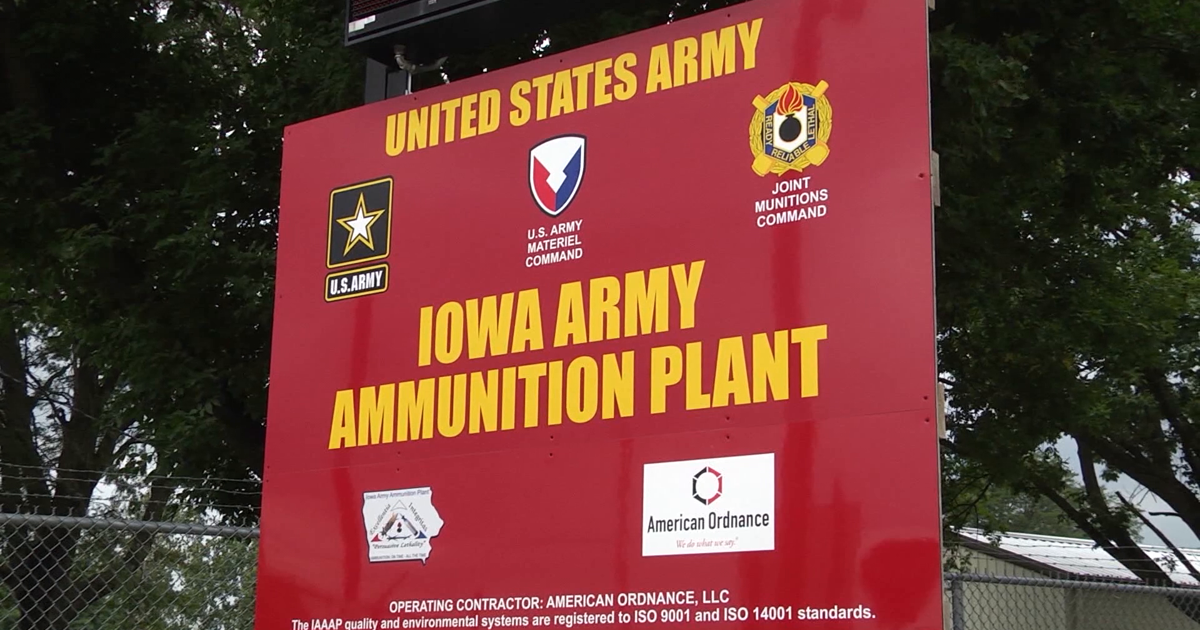
The material was originally set for detonation Nov. 20, then postponed to Nov. 23 amid public concern and the lawsuit. As of Sunday afternoon, the Army had not posted updated plume models for the new date. Gov. Kim Reynolds announced Sunday the state had launched a website for detonation information and activated the State Emergency Operations Center.
“While the detonation is a federal operation, it’s important for the state to be engaged in the preparation process so we can support the work of our federal partners in responding to the needs of Iowans,” Reynolds said. Reynolds’ decision Friday to initiate the State Emergency Operations Center followed the collaboration across state agencies. “Protecting the health and safety of our people and communities is our highest priority.”
The Iowa Environmental Council, Sierra Club Iowa Chapter and Earthjustice criticized the lack of public information. “The Army has clearly mishandled this situation, and Iowans and residents in our neighboring states deserve a full review of all of the missteps that led us to this point,” Sierra Club Iowa Chapter Legal Chair Wally Taylor said in a release.
“However, if detonation is now the only option, it is imperative that everyone impacted has access to the full range of testing, mitigation, and remediation resources.” As of 11 a.m.
The controlled detonation at Iowa Army Ammunition Plant is now scheduled on Wednesday, November 25, 2026 to allow for optimal weather conditions and all mitigation measures to be emplaced. The Army and our interagency partners have been working around the clock to safeguard all…
No detonation time has been announced
A time for the detonation has not yet been announced.
DOJ cites RCRA emergency provision to bypass permit
The Department of Justice told the Eighth Circuit on Saturday that the Army will invoke an emergency provision of the Resource Conservation and Recovery Act to detonate 9,773.5 pounds of lead azide without an EPA permit. The filing stated the Army intends to act no later than Nov. 24, 2026.
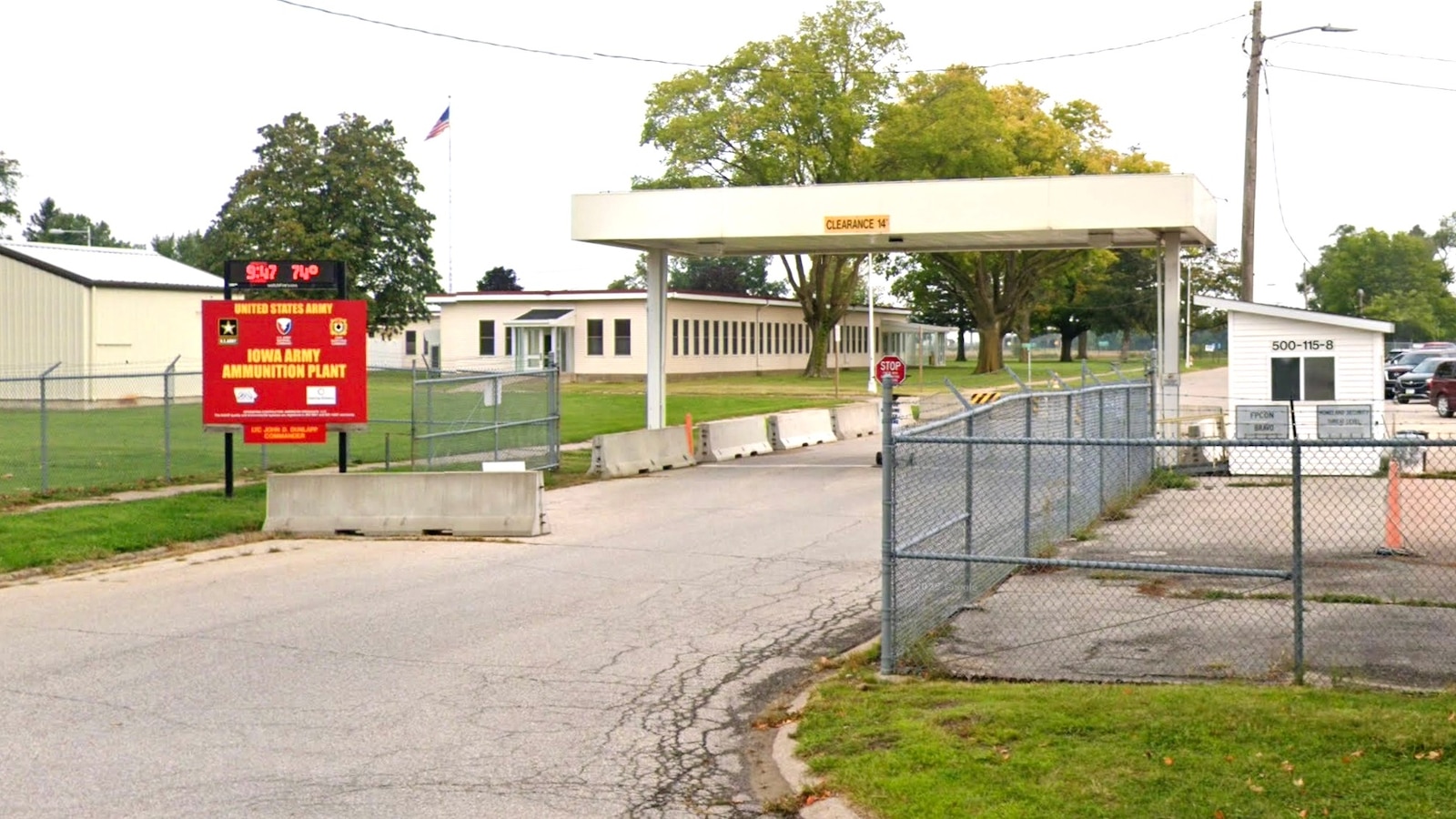
Earthjustice attorney Thien Chau said public pressure from numerous impacted communities created the only pause to consider better approaches to the lead azide problem. She added that despite claiming public safety and communication are priorities, the Army appeared more focused on sidestepping the judicial process than meeting demands for transparency and stronger protections.
Army relied on temperature risk; scientists dispute urgency
The DOJ argued the Army must detonate regardless of the court stay because falling temperatures create an immediate risk that the degraded lead azide will explode.
State activates emergency center; plume models still absent
Gov.
As of Sunday afternoon, the Army had not posted updated weather modeling or plume maps for the new detonation date.
Interagency work ensures safe detonation in Middletown
“The entire interagency is working together to ensure that the controlled detonation in Middletown, Iowa is conducted in the safest fashion possible,” the statement read. Acting Army Secretary Adam Telle said, “Public communication is essential to public trust.”

Nashville SC’s 400-Day Home Streak Ends in Playoff Loss to FC Cincinnati
Nashville SC entered Sunday's Audi 2026 MLS Cup Playoffs match at GEODIS Park having not lost to an...

Armed 19-Year-Old Surrenders After Providence Mental Health Standoff on Hawkins Street
A 19-year-old man surrendered peacefully after an hours-long standoff on Hawkins Street in Providence late Saturday night, ending...

No. 10 BYU Escapes Kansas in Triple OT to Keep Playoff Hopes Alive
No. 10 BYU survived a triple-overtime thriller at Kansas on Saturday, escaping Lawrence with a 31-29 win that...

Redick: Reaves Practices Fully, Out vs Jazz; Friday Earliest Return
"He's made progress every day, and you know they're doing a great job at figuring out the most...