Dover Councilmember David L. Anderson rejected predictions of the city’s imminent collapse in a detailed rebuttal published by Delaware State News.
Anderson, who represents the 4th District, responded to an opinion column by William G. Faust Jr. that asserted the “fall of the city of Dover is imminent.” Anderson acknowledged challenges including crime, inflation outpacing revenue, regional homelessness, retail disruption, artificial intelligence, addiction and housing costs, but argued these issues are not unique to Dover.
“Everything is not perfect in the city,” Anderson wrote. “The city has to deal with real issues that many other places have to deal with.”
He cited a SWOT analysis to frame the city’s position. Among strengths, Anderson pointed to full occupancy in every industrial park, crediting modernized zoning laws he sponsored.
Garrison Oak Technical Park, a field for 20 years, is on a path for up to $1 billion in investment, Bay to Bay News reported. He also highlighted the Lights-ON Dover Strong initiative, where 400 neighbors added lighting and reported crime, leading to significant drops in targeted areas, including a large portion of downtown.
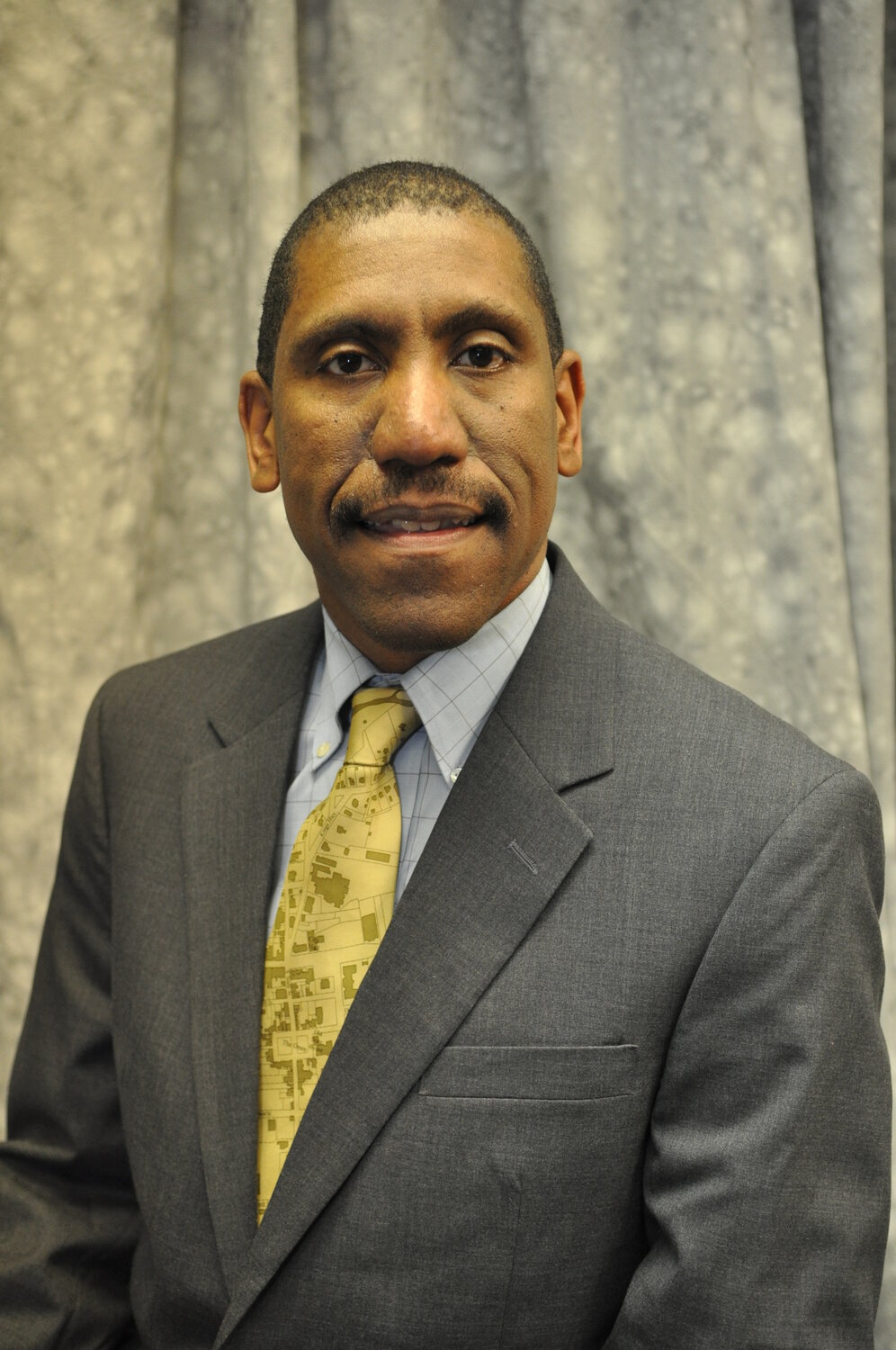
Anderson listed low debt, low taxes and low utility rates as fiscal strengths despite six years of rising costs. He noted a downtown plan shaped by 1,000 residents is now in the execution phase after years of planning and zoning updates.
Weaknesses center on authority gaps. The city charter does not grant Dover power over social services, education or criminal prosecution, which remain state responsibilities. Utility infrastructure includes systems over 100 years old. While violent crime has stabilized, quality-of-life crimes are rising. The balanced budget leaves little room for new initiatives or infrastructure investment.
The Payments in Lieu of Taxes program remains a specific threat. Wilmington receives 100% of payments for state property; Dover and Georgetown receive only 30.8%. With nearly 40% of Dover’s property tax-exempt, the disparity strains city finances.
Opportunities hinge on a joint-use agreement with Dover Air Force Base, which Anderson compared to the impact of General Foods and Playtex in the 1970s. The agreement could bring 2,000 to 3,000 jobs through freight and new industry. The Kent Economic Partnership has helped attract and retain businesses. Anderson said the industrial build-out will provide revenue “in a few short years.”
Faith groups, nonprofits, and city-county cooperation are more aligned than in the past, he wrote. State partners are engaged in new ways.
Threats include the lack of state prosecution for “minor” offenses, which Anderson said creates disorder and allows more significant crime to fester. The addiction crisis fuels gangs, homelessness, trespassing and shoplifting. Unfunded mandates redirect resources. Global economic disruption and inflation continue to challenge families.
“If a man thinks he is going to die, he will probably make it happen. If he thinks he is going to live, he has a good chance of making it happen,” Anderson wrote, recalling basic training. “Your mindset is the single-most important variable that you control in your destiny.”
He pledged a second part outlining a strategic plan. Reader reactions are welcomed at [email protected].
Keep reading

Louisiana Board Appoints Jenna Chiasson as First Woman Hired as State Superintendent
"I am grateful to the Board for their trust and high standards and to Dr. Brumley for his...

Hampton Coach Van Malone Dismisses Seven Staffers After 1-11 Season
Hampton football coach Van Malone announced Monday that seven staff members will not return for the 2027 season,...

Brandon Ingram Set for Clippers Season Debut Monday vs. Rockets After Heel, Achilles Surgery
LA Clippers forward Brandon Ingram is set to make his season debut Monday against the Houston Rockets after...

Pennsylvania Enacts Act 119 Raising Milk Truck Weight Limits, Cutting Hauling Costs
Pennsylvania enacted Act 119 of 2026, raising permitted weight limits for six- and seven-axle milk tankers to 107,000...