
Benjamin J. Frankfort, MD, PhD, joined the University of North Carolina at Chapel Hill as Professor and Chair of Ophthalmology in July 2026, med.unc.edu reported. The appointment puts a glaucoma surgeon-scientist of international standing at the helm of the department responsible for the vision needs of people across North Carolina.
The job description he inherits is specific: expand specialized clinical services, push forward innovative basic and translational vision research, and train future ophthalmic surgeons. For a state where glaucoma remains a leading driver of irreversible vision loss, landing a chair whose own laboratory studies the disease’s earliest retinal changes is more than a personnel headline. It is a statement about where UNC intends to compete.
A Career Forged at Baylor and Johns Hopkins
Frankfort earned both his MD and his PhD from Baylor College of Medicine, with the doctorate coming from the Department of Molecular and Human Genetics. He completed his ophthalmology residency at the Wilmer Eye Institute of the Johns Hopkins University School of Medicine, then returned to Baylor for a fellowship in glaucoma surgery. That path — genetics doctorate, Hopkins residency, subspecialty glaucoma training — shaped a career that straddles the laboratory and the operating room.
In 2010 he joined the Baylor faculty and rose to full Professor, holding the Clifton R. McMichael Endowed Chair in Ophthalmology. Alongside the endowed chair, he carried institution-wide leadership posts as Co-Director of the Medical Scientist Training Program and Chair of the Research Conflict of Interest Committee, roles that placed him at the center of how Baylor trained physician-scientists and policed research integrity.
Research That Targets the Earliest Damage
Frankfort’s lab work concentrates on the earliest impacts of glaucoma on retinal physiology and on the mechanisms through which glaucoma risk factors shape disease recognition, progression, and treatment. His current projects center on three threads: the role of vascular aging, human genetic risk loci, and serotonin biology in glaucoma. Each thread points at the same goal — catching the disease before vision is lost, or at least understanding why some patients progress faster than others.
Clinically, his practice focuses on adult human glaucoma, and he regularly provides second and third opinions on the most challenging surgical situations, including refractory disease and complex reoperations. In other words, UNC is not only getting a researcher who studies early retinal damage; it is getting a surgeon who takes the cases other specialists send away.
What the Chairmanship Means for North Carolina
The July 2026 start date gives Frankfort a full academic year to reshape the department’s footprint. Expanding specialized clinical services means patients with difficult glaucoma may no longer need to leave the state for complex surgical opinions. Advancing translational research means his work on vascular aging, genetic risk loci, and serotonin biology moves from the Baylor lab bench into a North Carolina context. And training future ophthalmic surgeons means the department’s pipeline of clinicians gets a chair who has personally held national leadership roles in medical scientist training.
His arrival also continues a pattern of importing established physician-scientists to lead UNC units: Frankfort is described as an internationally recognized clinician scientist, and his publication record runs through PubMed and Google Scholar with his lab profiled in UNC Genetics News. The combination of an endowed chair at Baylor, a Hopkins-trained surgical background, and a genetics PhD makes him one of the more credentialed department chairs the school has recruited in recent years.
What remains open is how quickly his research agenda translates into new clinical protocols at UNC — a question the department will answer over the coming academic years, as his lab’s findings on retinal physiology and glaucoma risk factors move from bench to bedside in Chapel Hill.
Worth a look

Keisha Lance Bottoms elected governor and Ossoff reelected to Senate
On election night in Georgia, voters handed Keisha Lance Bottoms the governor's office and returned Democratic Sen. Jon...
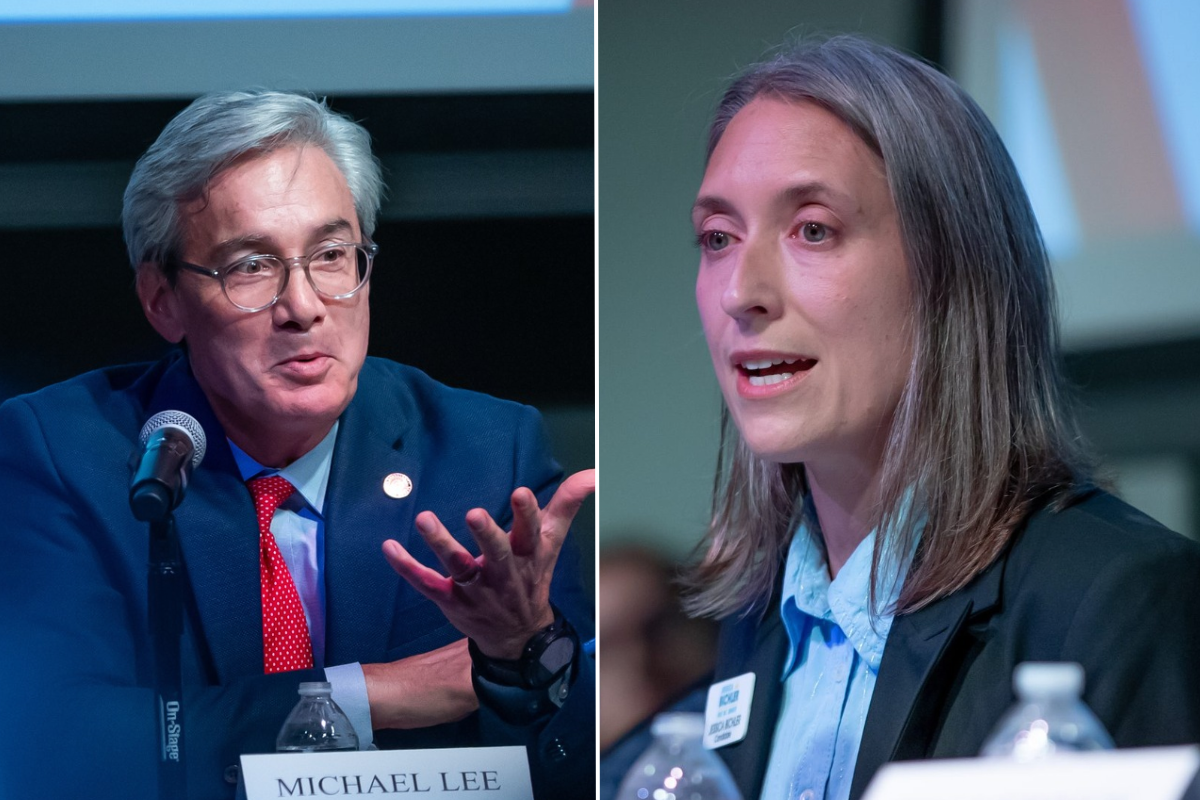
Jessica Bichler Upsets Senate Majority Leader Michael Lee
"The nail in the coffin that was just really personal to me was that my mom really valued...

Duval County, Florida: School Board Races and Millage Renewal Remain Unofficial After Nov. 3 Election
Jacksonville-area voters decided a slate of local and statewide races Tuesday, Nov. 3, 2026, in Florida's general election,...

Bridgeport Center Offers Free Snowmobile Avalanche Rescue Course for 10 Riders
The Bridgeport Avalanche Center reported that it will host a free one-day snowmobile-specific avalanche rescue course for backcountry...