- EIA projects 23,000 b/d growth in 2026 and 60,000 b/d in 2027.
- Output could reach 505,000 b/d in 2027, highest since 2014.
- ConocoPhillips’ Willow project may add 180,000 b/d by 2029.
- Aging Jones Act fleet limits options as West Coast refineries shrink.
The EIA reported that two projects on the North Slope are driving the first sustained increases since the 1980s, when Alaska peaked at 2.0 million b/d and ranked as the top U.S. producing state.
The agency projects 6 percent growth this year and a larger jump in 2027, reaching 505,000 b/d — the highest level since 2014.
ConocoPhillips’ Willow development, expected online in 2029, could add up to 180,000 b/d at peak, far exceeding the current growth phase. The last time Alaska saw increases of this magnitude was during the 1980s ramp-up to the 2.0 million b/d peak, according to the EIA.
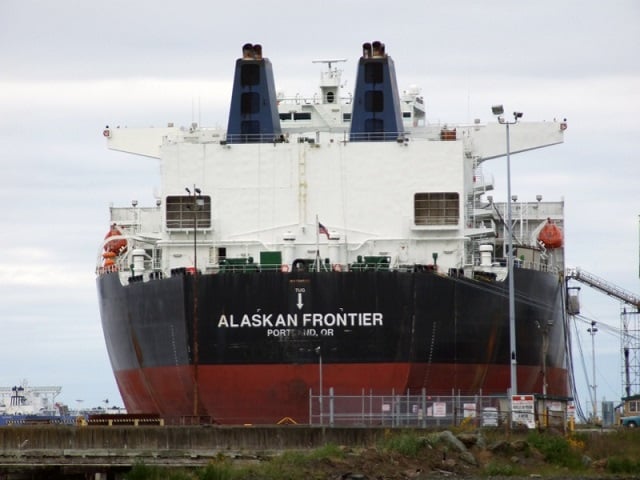
Almost all Alaskan crude has moved on U.S.-flagged vessels to U.S. ports since the Trans-Alaska Pipeline System began shipments in July 1977. The Jones Act requires cargo between U.S. ports to travel on U.S.-built, U.S.-flagged, U.S.-owned, and predominantly U.S.-crewed tankers. That fleet is relatively small and aging, while U.S. shipyards are currently maxed out at Aframax-size tankers.
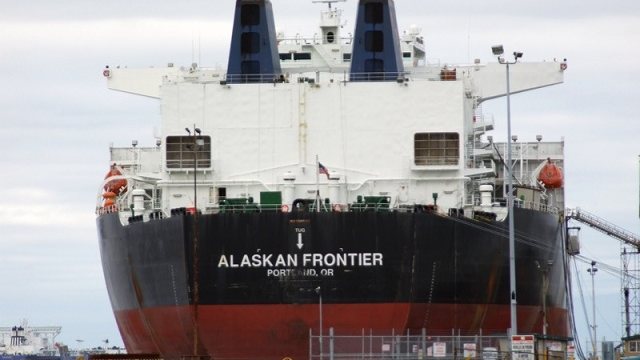
California refineries configured for Alaskan North Slope grades are shutting down, and Canadian supply from the expanded Trans Mountain pipeline — which added 590,000 b/d in 2024 — is competing for remaining West Coast capacity. Canadian crude is already reaching Asia. Selling Alaska barrels there would be easier with foreign-flag Suezmaxes or VLCCs, which Valdez can accommodate, but that would require moving beyond the Jones Act fleet.
Worth a look
- Wyoming Leads Nation in Study-Abroad Growth at 14.14%, UW Sole Contributor
- Sacramento Man Convicted of Murder and Arson in Killing of Roommate
- Inflation Since October 2024 Adds About $4,720 a Year to Household Costs (daybreakwire.com)
- Indonesia-China Bridge Forum Announces Housing, Factory Projects in Bali (archyde.com)
Wyoming Leads Nation in Study-Abroad Growth at 14.14%, UW Sole Contributor
Wyoming posted a 14.14 percent increase in study-abroad participation to lead the nation for growth, the Institute of...

Sacramento Man Convicted of Murder and Arson in Killing of Roommate
A Sacramento County jury convicted Harold Dean Fowler of second-degree murder and arson on November 19 for the...

FEMA Approves Over $51 Million in Disaster Aid for Mississippi Across Three Programs
FEMA approved more than $51 million in federal disaster aid for Mississippi on Monday, the agency announced from...

West Albany Reaches State Final Since 2013, Beats Thurston 42-32
West Albany earned its first state championship appearance since 2013 on Friday, holding off second-seeded Thurston 42-32 in...