A year ago, a rainstorm on the free-flowing Elwha River eroded the ground beneath the new $42 million Highway 101 bridge, forcing the Washington State Department of Transportation to design emergency stabilization, The Seattle Times reported.
The bridge, completed two years ago, remains safe for the 4,200 motorists who cross it daily en route to Olympic National Park, Forks, and tribal lands. But the river, unleashed by the largest dam removal in U.S. history at the time, confounded engineering models that predicted the structure could withstand a 100-year flood. Floodwaters last December removed an additional 35 feet of riverbank, encroaching to within 14 feet of a nonstructural wall and threatening the packed-sediment embankment that carries the highway to the bridge’s west abutment.
“It’s unfortunate that this brand-new bridge was designed too short and now needs stabilization to prevent it from disconnecting from the highway,” said Jamie Michel, habitat program manager for the Lower Elwha Klallam Tribe, in an interview with The Seattle Times.
The tribe warned that WSDOT’s initial plan — a 60-foot protrusion of four-foot boulders, or riprap, around the west supports — would smother critical salmon habitat in Indian Creek, where Chum are currently spawning and Coho are migrating. “Indian Creek is the most productive habitat unit in the watershed,” Michel told The Seattle Times. “If that gets damaged, we’re going to go back in time again,” added Mel Elofson, the tribe’s assistant habitat manager.
An October 16 tribal letter lamented “no response from WSDOT and no updates on any progress or plan to remedy the bridge vulnerability,” The Seattle Times reported.
Tribal Chair Melissa Gilman emphasized that any project degrading the stream would violate treaty rights secured in the 1855 Point No Point Treaty, which reserved “the right of taking fish at usual and accustomed grounds.”
Transportation Secretary Julie Meredith apologized last week for failing to convey sufficient “respect, transparency, and understanding” to the tribe. She pledged both near- and long-term fixes, writing that “supporting the ecological health of the waterway remains a priority for our WSDOT team.”
The tribe has since agreed that immediate armoring is necessary to avoid a chaotic emergency repair during high water.
WSDOT is now designing a buffer using compressed rock, gravel, clay, sand, and geotextile fabrics, anchored to bedrock, rather than a simple boulder mound. Salvaged boulders from the old bridge are stockpiled nearby. The design must still pass review by natural resource agencies, and the tribe has requested formal consulting status.
Scour is the leading cause of bridge failure nationally, a priority since a 1987 Interstate 90 collapse in New York killed 10 people. Washington lists 501 bridges as “scour-critical” but budgets only $4 million annually for prevention. As winters warm and precipitation shifts from snow to rain, the Elwha’s peak flows are expected to rise, increasing erosion risk on a river still rewriting its own channel.
Worth a look

Lincoln Kienholz Throws 5 TDs in Louisville Win, Says He’s Focused on Season, Not Future
Louisville quarterback Lincoln Kienholz threw five touchdown passes in a 42-10 victory over Pittsburgh on Saturday night, then...
Holmes Murphy Relocates Kansas City Offices to Grand Place, Aims for 45 New Jobs
Independent insurance brokerage Holmes Murphy has relocated its two Kansas City office locations to Grand Place, the former...
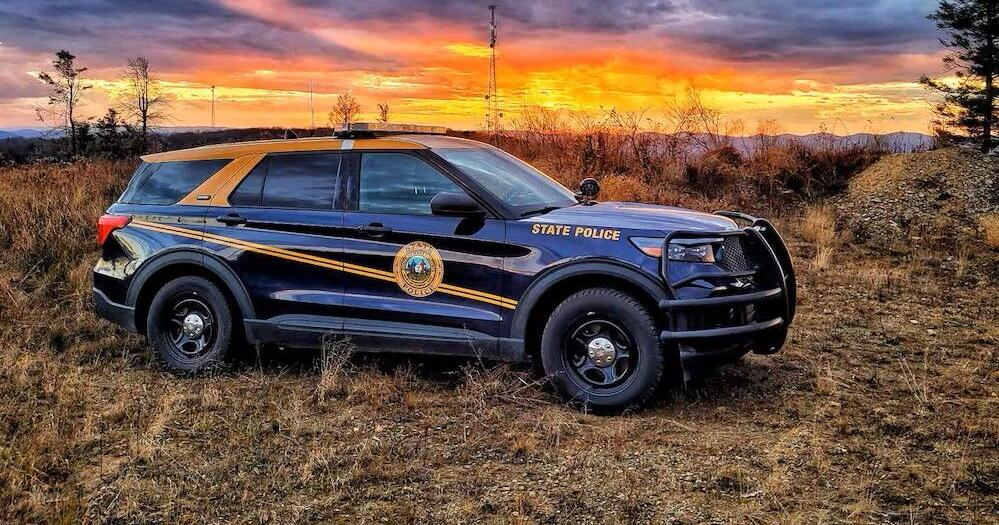
Judge Approves $950K Settlement in Fatal WV State Police Shooting of Justin Grant
Chief U.S. District Judge Frank W. Volk approved a $950,000 settlement Monday in a federal wrongful death suit...

Delaware County Board Counts 587 Provisional Ballots, Triggering Recount
The Delaware County Board of Elections voted unanimously Monday to count 587 provisional ballots it had deadlocked on...