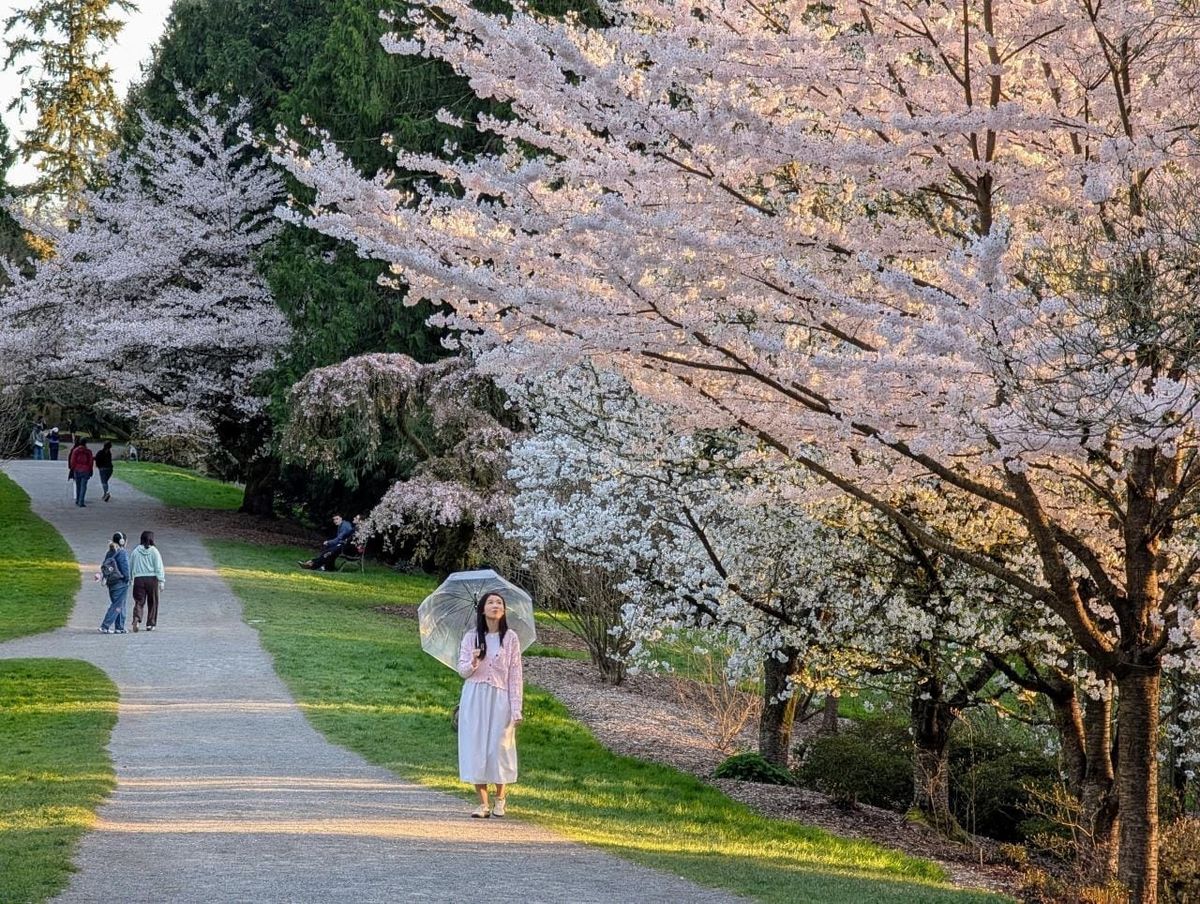
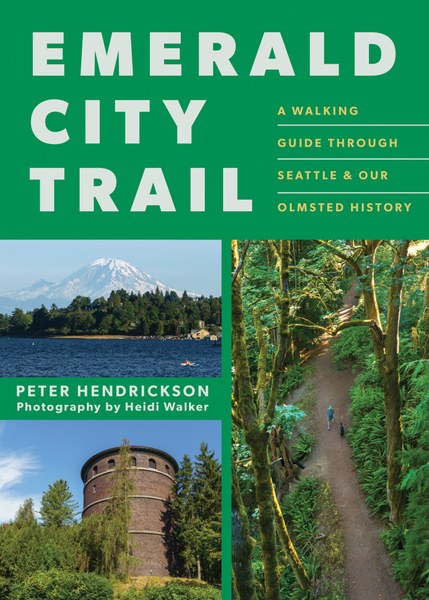
In a column for The Urbanist, a reviewer argues that Peter Hendrickson’s Emerald City Trail: A Walking Guide Through Seattle & Our Olmsted History stands out by tying a 75‑mile urban loop to the Olmsted Brothers’ early‑1900s plan for Seattle.
The guidebook, published this year by Mountaineers Books, splits the loop into 12 segments of five to 7.5 miles each, with start and end points reachable by transit. Each segment description includes a route map, distance, elevation, difficulty and what Hendrickson calls the “Three Ts”: public transportation, public toilets and treats such as cafes, bakeries, bars or ice‑cream shops.
A companion interactive map at emeraldcitytrail.com shows the user’s location and a transit layer, though the reviewer found the interface awkward on some screens. GPX files for the full loop or individual segments are not downloadable from that site despite what the book states; they are available on the Mountaineers website under the “Resources” section, which also lists upcoming guided walks and recent trip reports.
Each segment has a Mountaineers steward who walks it at least quarterly to flag safety or maintenance issues, a feature the reviewer says sets the book apart from other urban walking guides.
Section 2, from Woodland Park Zoo to Husky Stadium, travels through parks and tree‑lined streets with plentiful food options.
Section 6, Rainier Beach to White Center, runs through an industrial area with little shade, few restrooms and high‑speed traffic; Hendrickson recommends avoiding the most dangerous highway crossing by taking a bus instead — something the reviewer notes “you cannot do on a regular hike even if you bring your Orca transit card.”
The reviewer has completed only the first segment so far but writes that the mix of nature, art, historic landmarks and people‑watching matched Hendrickson’s promise: “on our very first walk, when we stopped for a coffee break, we met someone interesting to talk with.”
Photos by Heidi Walker accompany the guidebook, which the reviewer suggests may inspire readers to explore individual sections even if they do not attempt the full loop.
Related reading

Portland Cyclists Deliver Holiday Groceries to Free Fridges on Thanksgiving
"It’s showing the community that we can get things done, and we can haul a lot of cargo...

Columbus Businesses Expect Surge From Sports, Black Friday Shopping
Columbus businesses expect a surge of customers this weekend as three professional sports events and Black Friday shopping...

LSU Offense Under Scrutiny vs Arkansas; Tigers Seek to Avoid Sixth Loss Saturday
LSU faces Arkansas on Saturday with its offense under intense scrutiny after failing in critical moments all season,...
Des Moines Thanksgiving Near 39°F and Dry; Saturday Warms to 52°F, Sunday Slight Rain Chance
Des Moines started Thanksgiving morning near freezing under mostly cloudy skies with brisk north winds. The metro is...