In a personal essay for the Diocese of Bridgeport, Emily Clark writes that living plants offer a more enduring form of consolation than cut flowers after the death of a child.
Clark recounts the death of her nephew Noah, born at 26 weeks in mid-October, who developed E. coli, meningitis and brain bleeds and died less than a week after birth. Extended family held vigils at the New Jersey hospital where he was treated.
“Was this part of the grieving process?” Clark writes, describing her sister-in-law’s observation that Noah’s mother “appeared in shock at the loss of her child but also somehow continued living, as if by rote, caring for her older son, going grocery shopping and simply surviving.”
After a year marked by the deaths of her mother-in-law and father, her mother’s dementia diagnosis, a friend’s terminal cancer, a family divorce and the departure of longtime neighbors, Clark writes that those losses were “part of the natural progression of life.” She contrasts them with the loss of a child “who never had the chance to live.”

Clark describes an indoor memorial garden in her kitchen — a peace lily from a college roommate, a mini flowering plant from a student and succulents from a friend — placed beside a statue of Mary. “Though we cannot replace a life that is gone, we can nurture a life that is beginning,” she writes.
Weeks after Noah’s death, Clark sent his family a small peace lily. “I hope it will grow and flourish within the warmth of their home as the sad but beautiful memory of Noah grows within them,” she writes.
Emily Clark can be reached at [email protected].

NJ Shop Owner’s Viral Video Sparks Review Bombing of Wrong Pizzeria
"If people on the internet want to leave him reviews, that has nothing to do with me," Leone...
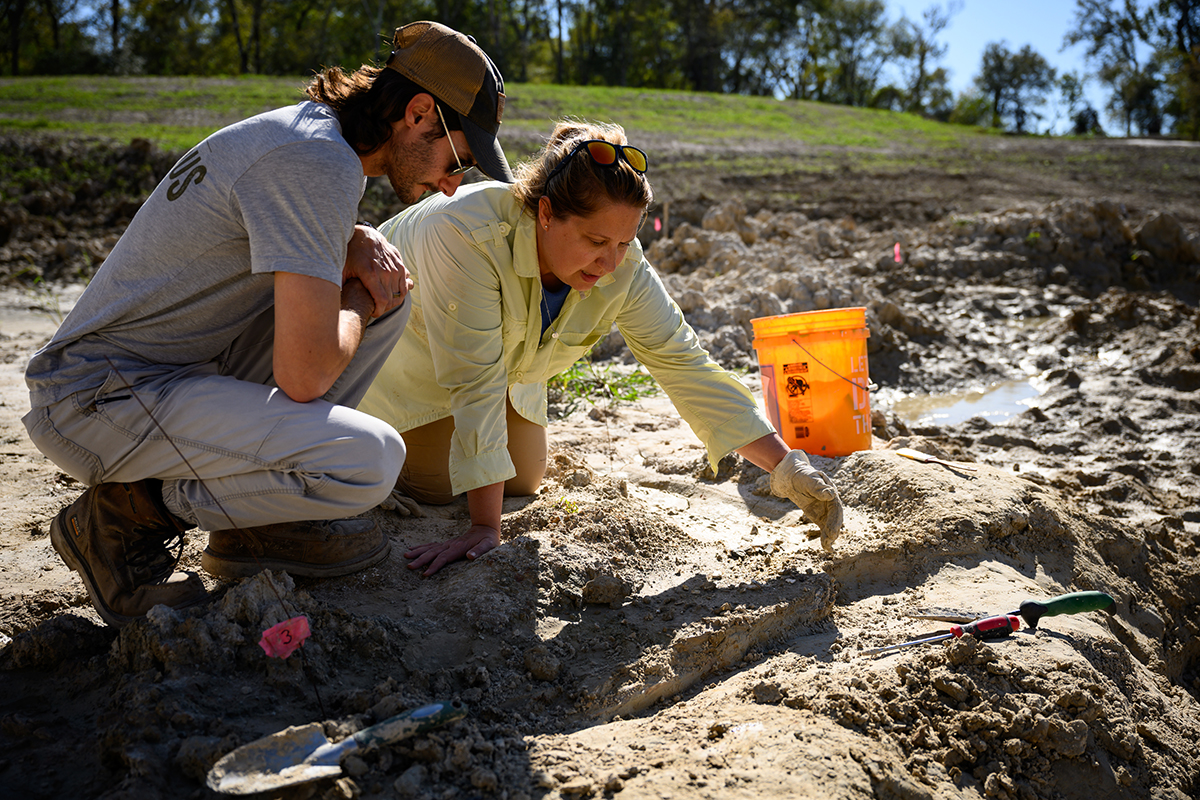
Landowner Unearths Mammoth Tooth Near Branch; Scientists Estimate 10,000-12,000 Years
A Louisiana landowner uncovered a mammoth tooth near Branch earlier this month while operating a bulldozer at a...
Carson City Notaries Complete Certificates; Nevada Secretary of State Provides Apostilles
Carson City notaries do not issue apostilles. They complete the notarial certificate on private documents; the Nevada Secretary...

Christmas Tree Arrives at Kansas Governor’s Mansion as Lieutenant Governor Opines
Lt. Gov. David Toland marked his final holiday-tree ceremony Tuesday by declaring it the right moment to leave...