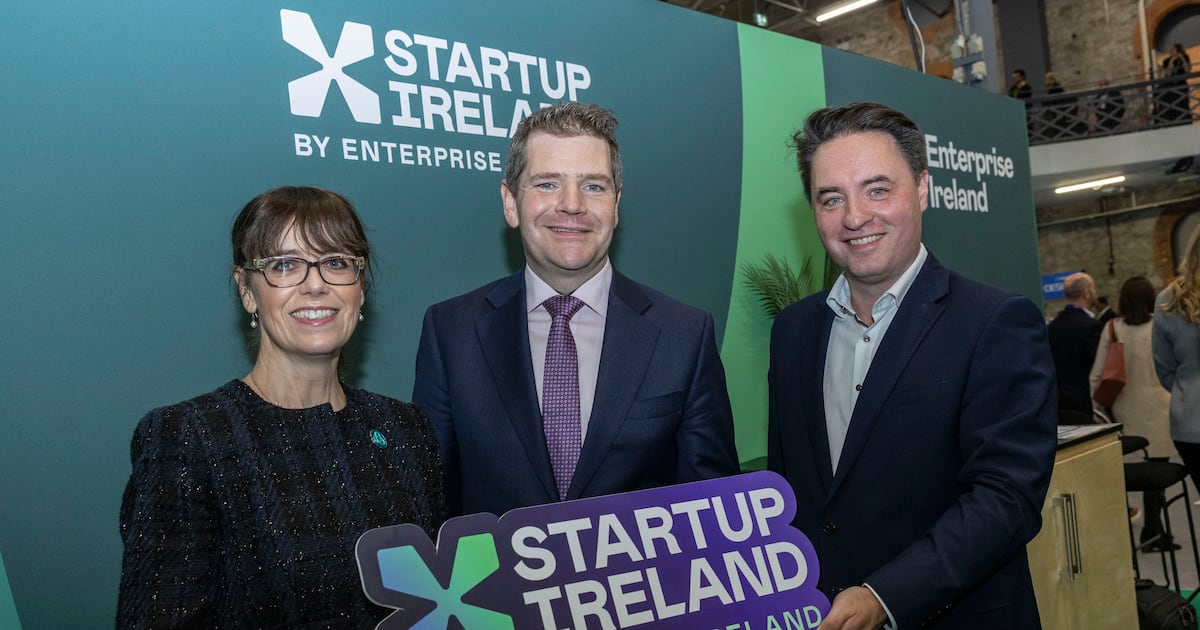
Enterprise Ireland launched Startup Ireland last month, a cross-government initiative that aims to back 1,000 new startups with equity investment while supporting 10,000 entrepreneurs overall by 2030, Irish Independent reported.
The programme begins with an AI accelerator that brings together more than 30 partners, including Anthropic, Amazon, Google, Microsoft and Stripe, according to the enterprise agency.
“The Startup Ireland AI Accelerator gives founders hands-on access to the tools, engineering expertise and capital needed to build an AI company that can compete internationally,” says Conor O’Donovan, head of Startup Ireland. A National Company Accelerator offering €100,000 investments and a Talent Accelerator for pre-idea founders are slated to begin early next year, Enterprise Ireland said.
Founder feedback shapes design
Enterprise Ireland met with over 500 founders across the country before finalizing the plan, the agency told Irish Independent. Those entrepreneurs said they needed accessible supports for building AI capability, help internationalising, and more experienced mentors with deep domain expertise. The initiative was designed on the basis of extensive research. “The OECD did a report on the challenges facing the Irish start-up ecosystem,” says O’Donovan.
“It also highlighted opportunities to strengthen it. “There has never probably been a better time to be an entrepreneur, with AI and other technology advances making it possible to develop minimum viable products and prototypes very inexpensively,” said Conor O’Donovan, head of Startup Ireland, in an interview with The Irish Times. “It is now possible to achieve customer traction very early on in a way that wasn’t possible even five years ago.”
Research and listening tour shaped the plan
Enterprise Ireland benchmarked Ireland against other European member states and commissioned an OECD report on the ecosystem’s challenges and opportunities, Conor O’Donovan said. Staff then conducted a founders’ listening tour last year, meeting well over 500 entrepreneurs across all regions, sectors and stages of development.
O’Donovan said the core principle underpinning the initiative is to ensure it remains founder-centric, with needs at the heart of design. He added that AI and other technology advances now allow minimum viable products and prototypes to be developed inexpensively, making it possible to achieve customer traction very early in a way that was not possible five years ago.
Hub and accelerators build a national pathway
The National Startup Hub, set to open in 2028 alongside Enterprise Ireland’s new Dublin headquarters, will serve as a convening point for founders, investors, multinationals and researchers while providing a landing point for overseas entrepreneurs and investors, the agency said. It will offer specialist expertise, networking, peer learning and international connections, and link startups with specialist infrastructure and regional partners across the country.
Expanded regional pre-accelerator activities and sectoral programmes for high-growth areas will together create a national pathway from idea and company formation through to investment readiness and international scaling, Enterprise Ireland said.
National Startup Hub targets 2028 opening
The hub will serve as a convening point for founders, investors, multinational companies and researchers, while providing a landing spot for overseas entrepreneurs and investors. The initiative also aims to grow the proportion of women-led startups supported by Enterprise Ireland to 35 per cent and increase startups reaching €1 million in turnover by 20 per cent, The Irish Times reported.
A Strategic Advisory Forum with entrepreneurs, investors and government representatives will inform future policy. “In addition, the Government is establishing a Strategic Advisory Forum for start-ups which will ensure that founders have a voice in terms of shaping decisions around policy on start-ups and innovation,” says O’Donovan.
Worth a look

Eagles Host Steelers in Week 11 Showdown at Lincoln Financial Field
The Philadelphia Eagles host the Pittsburgh Steelers on Sunday at Lincoln Financial Field for an in-state Week 11...

No. 20 Houston Rallies Past West Virginia 34-31 Behind Henderson’s Debut, Hughes’ Historic Night
No. 20 Houston rallied from a 10-point deficit in the final 5½ minutes to beat West Virginia 34-31...
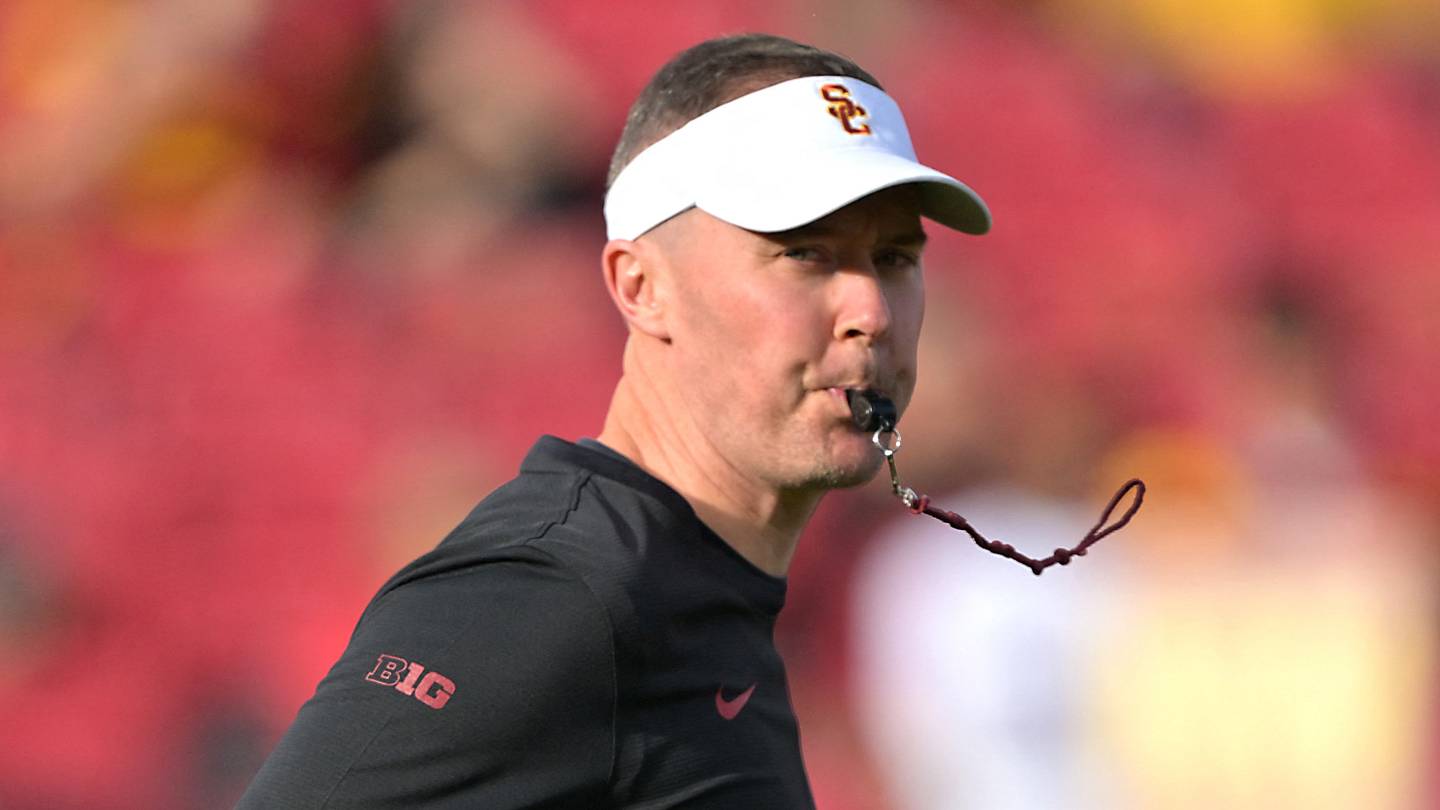
USC Survives Maryland 35-21 on Senior Day Behind Turnovers, Run Game
No. 18 USC survived a turnover-filled second half to beat Maryland 35-21 on Senior Day at the Los...

Seattle Leaders Condemn ICE After Masked Agents Arrest Two on Jetway
Washington Gov. Bob Ferguson, Seattle Mayor Katie Wilson and the Port of Seattle on Saturday condemned U.S. Immigration...